


Embedding a commitment to equitable global access into basic and early-phase translational research
- PMID: 40384749
- PMCID: PMC12083207
- DOI: 10.1017/cts.2024.691
Embedding a commitment to equitable global access into basic and early-phase translational research
Abstract
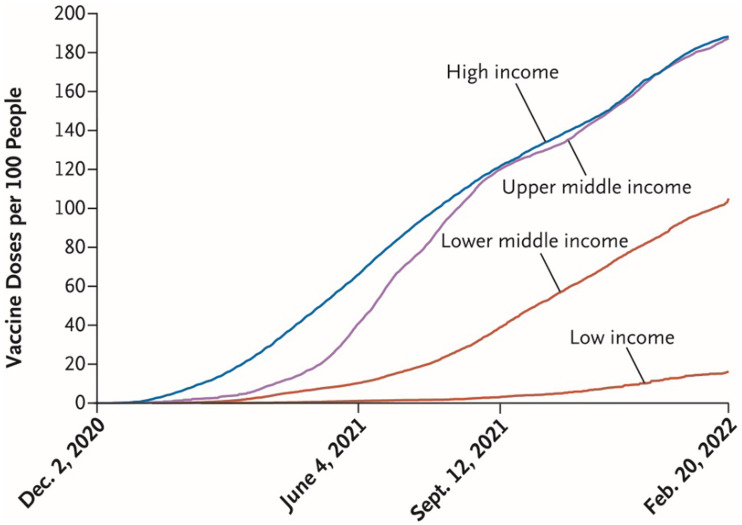
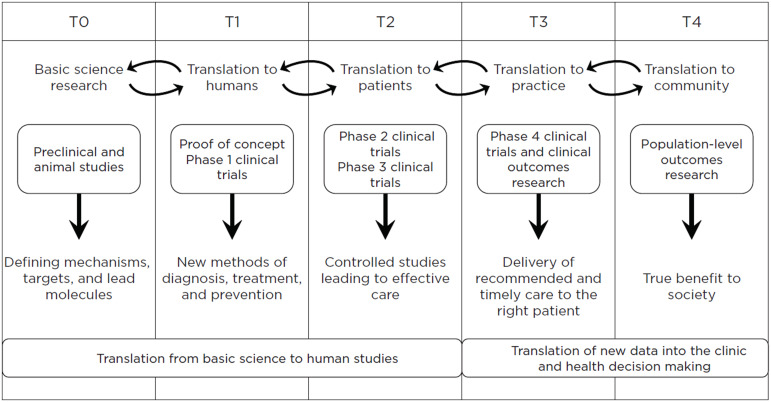
The COVID-19 pandemic laid bare the inequities in U.S. healthcare in ways that captured public attention and reinforced the need to view all of healthcare through an equity lens. It also exposed global inequities in access to healthcare technologies. At Rockefeller University, we participate in the entire spectrum of translational research, but our focus is in the areas of basic research and new methods to prevent, diagnose, and treat disease, extending to proof of concept preclinical and Phase 1 studies. Since we believe that all phases of translational research should have an equity lens, we have instituted an initiative to encourage thought and planning about global equitable access to discoveries made by our trainee Clinical Scholars and faculty, even at the earliest phases of basic research. Assuring global equitable access to new technologies requires addressing at least 3 different aspects of new technology: 1. Patenting and licensing, 2. Manufacturing, and 3. Dissemination and implementation in low- and middle-income countries. In this review, I focus on patenting and licensing and offer ten questions for inventors to consider in discussing licensing their technologies with technology transfer officers to maximize equitable global access to the technologies they create.
Keywords: Technology transfer; health equity; license; manufacturing; patent.
© The Author(s) 2025.
Conflict of interest statement
B.S.C. declares no competing interests for the material in this review.
Figures
References
-
- Guebert JM, Bubela T. Implementing socially responsible licensing for global health: beyond neglected diseases. Sci Transl Med. 2014;6:260cm211. - PubMed
-
- Hunter DJ, Abdool Karim SS, Baden LR, et al. Addressing vaccine inequity - covid-19 vaccines as a global public good. N Engl J Med. 2022;386:1176–1179. - PubMed
Publication types
LinkOut - more resources
Full Text Sources