


Acceptability and applicability of using virtual reality for training mass casualty incidents- a mixed method study
- PMID: 40389938
- PMCID: PMC12090617
- DOI: 10.1186/s12909-025-07319-z
Acceptability and applicability of using virtual reality for training mass casualty incidents- a mixed method study
Abstract
Background: Because health professionals can end up being first responders to a mass casualty incident, they must train to improve preparedness and increase the preconditions of victim outcomes. Training and learning on how to handle a mass casualty incident is traditionally based on reading, lectures, training through computer-based scenarios, or sometimes through live simulations. Professionals should practice in realistic environments to narrow the theory-practice gap, and the possibility of repeating the training is important for learning. Virtual reality is a promising tool for realistic and repeatable simulation training, but it needs further evaluation. This study aimed to describe the acceptability and applicability of using VR for training in mass casualty incidents.
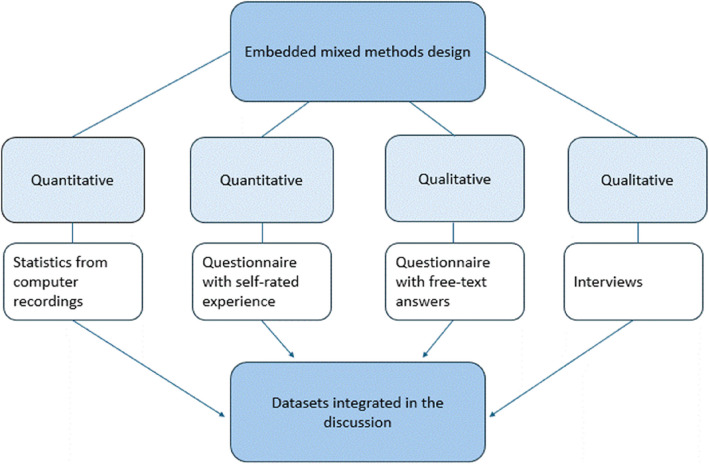
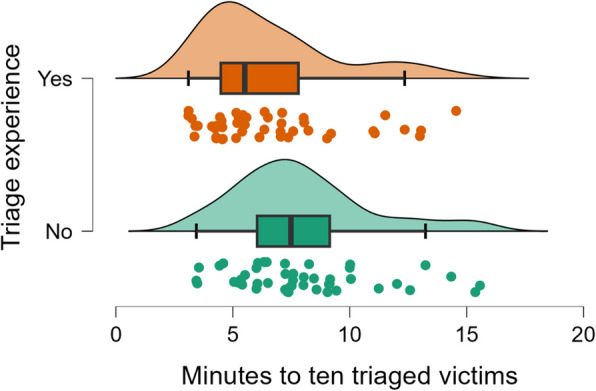
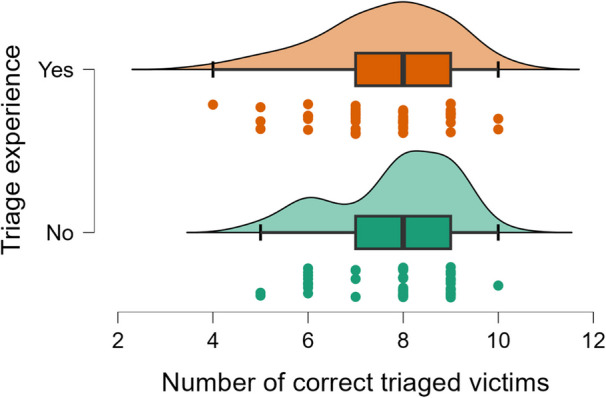
Methods: A mixed-methods evaluation design was used, where the qualitative and quantitative findings were embedded into the discussion with a realist inquiry approach. A virtual reality simulation with mass casualty incident scenarios, named GoSaveThem ( www.crash.nu ), was used, and the participants were directed to perform triage. After the simulation, the participants filled in a questionnaire with open-ended questions and ratings on technical aspects, learning experiences, and improvement of preparedness. Eleven of the participants underwent interviews. The qualitative data was analyzed either summarily or with a conventional content analysis. Data were extracted from computer recordings of how long it took for each participant to triage the first 10 victims and to what extent the triage for the first 10 victims was correct. Descriptive statistical analyses were done, and a comparison was made to see if there were any differences between age, sex, educational background, and previous experiences that affected the outcome of triaging.
Results: Training with virtual reality enables repeatable and realistic simulation training of mass casualty incidents. The participants expressed motivation to repeat the training and experience expanded virtual reality scenarios. This study shows that the acceptability and applicability of using VR for training MCIs were high overall in all examined dimensions for most users, with some exceptions.
Keywords: Critical Realism; First Responders; Mass Casualty Incident; Mixed Methods; Realist Inquiry; Simulation Training; Triage; Virtual Reality.
© 2025. The Author(s).
Conflict of interest statement
Declarations. Ethics approval and consent to participate: The study was conducted aiming for good ethical practice with transparency, accuracy, and avoidance of plagiarism [45] and aligned with the Declaration of Helsinki statement of ethical principles for medical research [46]. Participation in the study was voluntary, and written informed consent was obtained from all participants before recruitment. The participants have the right to withdraw from the study at any time. They have been informed that participation/refusing to participate was voluntary and would not affect their academic results or employment. Ethical approval was obtained from the Swedish Ethical Review Authority before conducting the study (No: 2019–00697 + 2023–02154-02). The participants have been notified of the outcome of the study, either by provision of the publication or via another form of communication. Consent for publication: Not applicable. Competing interests: The authors declare no competing interests.
Figures



References
MeSH terms
Grants and funding
- 3555/Laerdal Foundation distributed grants for this research project (grant reference number 3555). The first author also received financial support from Sophiahemmet University & AISAB
- 3555/Laerdal Foundation distributed grants for this research project (grant reference number 3555). The first author also received financial support from Sophiahemmet University & AISAB
- 3555/Laerdal Foundation distributed grants for this research project (grant reference number 3555). The first author also received financial support from Sophiahemmet University & AISAB
- 3555/Laerdal Foundation distributed grants for this research project (grant reference number 3555). The first author also received financial support from Sophiahemmet University & AISAB
LinkOut - more resources
Full Text Sources
Medical
Research Materials
Miscellaneous
