


Multi-level treatment outcome evaluation in adolescents with autism spectrum disorder
- PMID: 40389961
- PMCID: PMC12090636
- DOI: 10.1186/s13034-025-00909-1
Multi-level treatment outcome evaluation in adolescents with autism spectrum disorder
Abstract
Background: Aberrant resting state electroencephalography (rsEEG) is a well-established indicator of psychopathological brain activity in clinical disorders. In Autism Spectrum Disorder (ASD), a substantial body of research reports reduced Alpha activity in the electrocortical resting state of affected individuals. However, effective interventions based on neurophysiological patterns and objective biological markers of treatment outcome remain scarce.
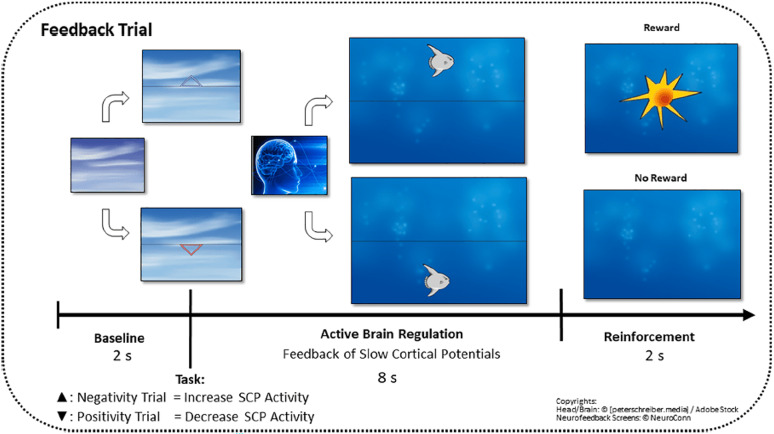
Methods: In this randomized controlled trial, the primary objective was to examine rsEEG changes in adolescents with ASD following 24 sessions of slow cortical potential neurofeedback training (n = 21) compared to a treatment-as-usual control group (n = 20). A repeated-measures analysis of variance was used to assess group differences over time. Additionally, Pearson correlation analyses were conducted to exploratorily investigate associations between rsEEG measures and clinical psychopathology and affective well-being, as assessed via parental and self-report questionnaires at baseline and post-intervention.
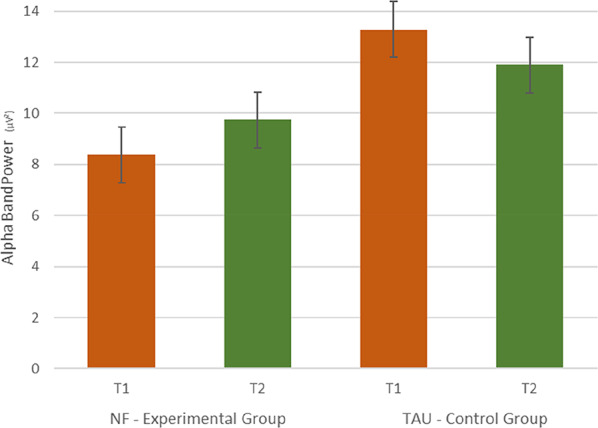
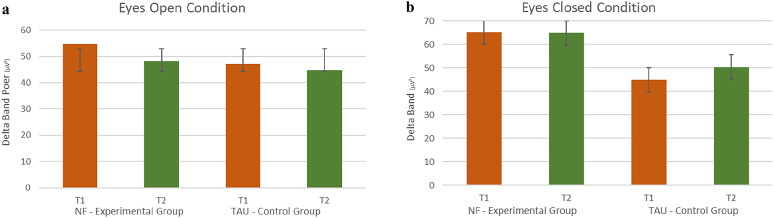
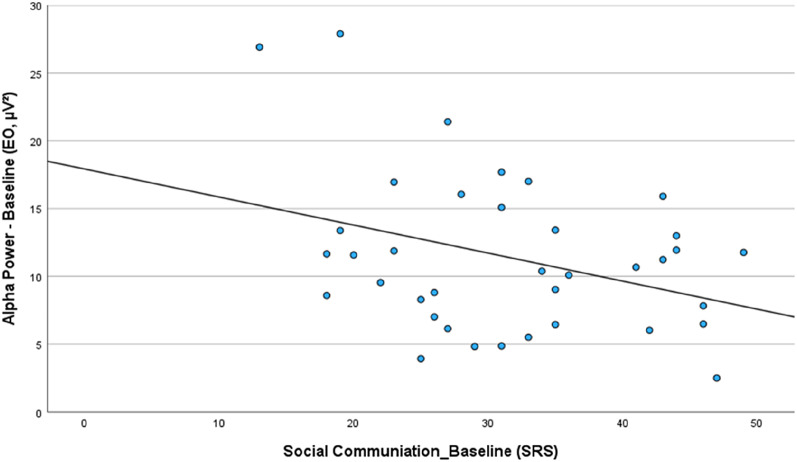
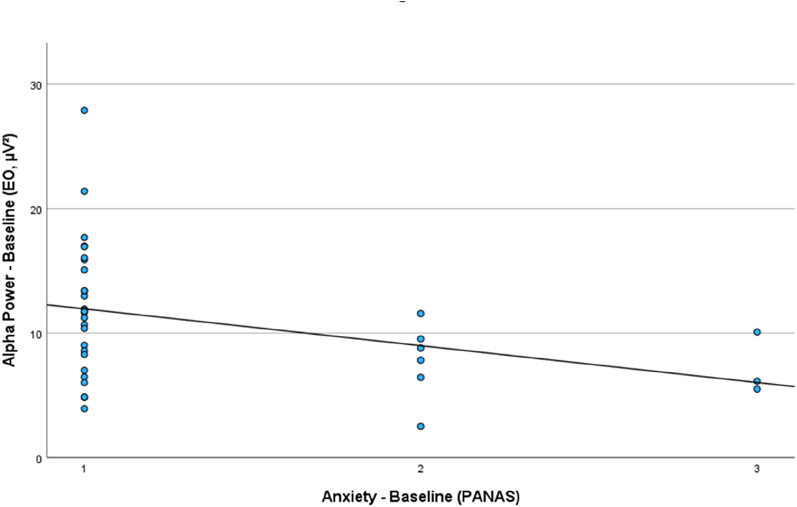
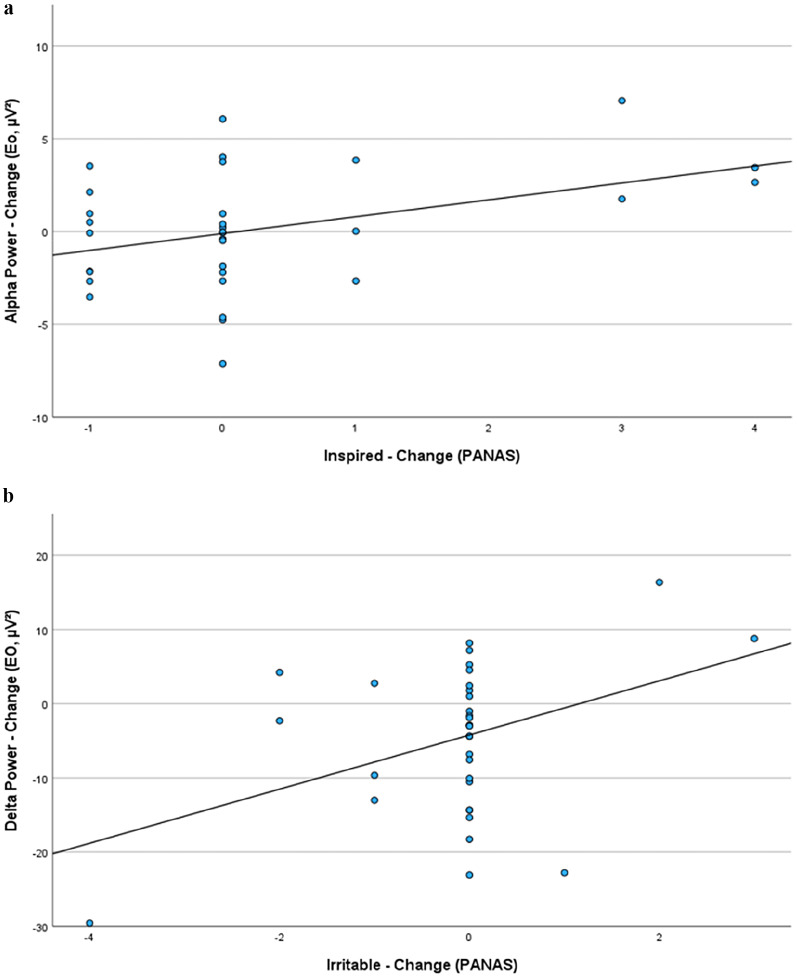
Results: Analyses revealed significant differences in the development of rsEEG between the intervention groups: while Alpha activity increased in the experimental neurofeedback group, it decreased in the control group, demonstrating an opposite trend. Exploratory analyses showed that Delta activity decreased in both groups, with a more pronounced decrease in the experimental group. Correlational analyses revealed significant associations between subjective-psychological and electrocortical levels: lower alpha power at baseline was related to greater severity of ASD symptoms, while both lower alpha and higher delta power were associated with greater negative affect at baseline. Increases in alpha power after NF-training were linked with enhanced positive affect, whereas reductions in delta power corresponded to decreases in negative affect.
Conclusions: This study provides insights into changes in resting-state neural activity before and after clinical interventions alongside clinical-psychological assessment, overcoming single-level assessments and emphasizing the need for multi-level outcome measures for a more comprehensive treatment evaluation.
Clinical trial registration: DRKS00012339.
Keywords: Alpha brain activity; Autism spectrum disorder; Brain regulation training; Neurofeedback; Resting state EEG.
© 2025. The Author(s).
Conflict of interest statement
Declarations. Ethics approval and consent to participate: This study was approved by the Ethics Committee of the Medical University of Vienna, Austria and conducted according to the Declaration of Helsinki. Written informed consent was obtained of all participants and their caregivers before being involved in the study. Consent for publication: Not applicable. Competing interests: The authors declare no competing interests.
Figures
References
-
- American Psychiatric Association. Diagnostic and statistical manual of mental disorders. 5th ed. Arlington (VA): American Psychiatric Publishing; 2013.
-
- Kim JY, Son MJ, Son CY, Radua J, Eisenhut M, Gressier F et al. Environmental risk factors and biomarkers for autism spectrum disorder: an umbrella review of the evidence. Lancet Psychiatry. 2019;6(7):590–600. 10.1016/S2215-0366(19)30181-6. - PubMed
Associated data
Grants and funding
LinkOut - more resources
Full Text Sources
