


Zinc deficiency as possible link between immunosenescence and age-related diseases
- PMID: 40390089
- PMCID: PMC12087153
- DOI: 10.1186/s12979-025-00511-1
Zinc deficiency as possible link between immunosenescence and age-related diseases
Abstract
As global life expectancy increases, research reveals a critical challenge in aging: the progressive deterioration of immune function, termed immunosenescence. This age-related immune decline is characterized by a complex dysregulation of immune responses, which leaves older adults increasingly vulnerable to infections, chronic inflammatory states, and various degenerative diseases. Without intervention, immunosenescence significantly contributes to morbidity and mortality among the elderly, intensifying healthcare burdens and diminishing quality of life on both individual and societal levels. This review explores the essential role of zinc, a trace element critical for immune health, in mitigating the impact of immunosenescence and slowing the cascade of immunological dysfunctions associated with aging. By modulating the activity of key immune cells and pathways, zinc supplementation emerges as a promising approach to strengthen immunity, reduce oxidative stress, and counteract "inflammaging," a state of chronic, low-grade inflammation that accelerates tissue damage and drives disease progression. Zinc's involvement in cellular defense and repair mechanisms across the immune system highlights its ability to enhance immune cell functionality, resilience, and adaptability, strengthening the body's resistance to infection and its ability to manage stressors that contribute to diseases of aging. Indeed, zinc has demonstrated potential to improve immune responses, decrease inflammation, and mitigate the risk of age-related conditions including diabetes, depression, cardiovascular disease, and vision loss. Given the prevalent barriers to adequate zinc intake among older adults, including dietary limitations, decreased absorption, and interactions with medications, this review underscores the urgent need to address zinc deficiency in aging populations. Recent findings on zinc's cellular and molecular effects on immune health present zinc supplementation as a practical, accessible intervention for supporting healthier aging and improving quality of life. By integrating zinc into targeted strategies, public health efforts may not only sustain immunity in the elderly but also extend healthy longevity, reduce healthcare costs, and potentially mitigate the incidence and impact of chronic diseases that strain healthcare systems worldwide.
Keywords: Age-related Diseases; Ageing; Immunosenescence; Inflammaging; Zinc.
© 2025. The Author(s).
Conflict of interest statement
Declarations. Ethics approval and consent to participate: Not applicable. Consent for publication: Not applicable. Competing interests: The authors declare no competing interests.
Figures

 Dysregulated immune responses and unhealthy increased reactions associated with zinc deficiency,:
 Restored immune balance and improved immune function achieved through zinc supplementation, (↑): increased, (↓): decreased, (↔): balanced (a) In aged and zinc deficient individuals, immune system dysregulation is characterized by increased pro-inflammatory cytokine production (IL-1, IL-6, TNF-α) by antigen-presenting cells, enhanced Th2 responses, and reduced Th1 responses. This leads to decreased IFN-γ and IL-2 production, reduced immunoglobulin (Ig) class switching, unspecific B cell activation, and decreased T regulatory cell function, promoting an inflammatory state and impaired immune balance. b Zinc supplementation restores immune homeostasis by reducing inflammation, balancing Th1/Th2 responses, and maintaining normal cytokine levels and B cell function. The presence of zinc supports APC function, enhances regulatory T cell activity, and promotes a balanced immune response in elderly individuals, mitigating immunosenescence. Created in
 : Alterations due to aging, but not described in zinc deficiency, (Black) Alterations described in both, zinc deficiency and aging, (↑): increased, (↓): decreased Created in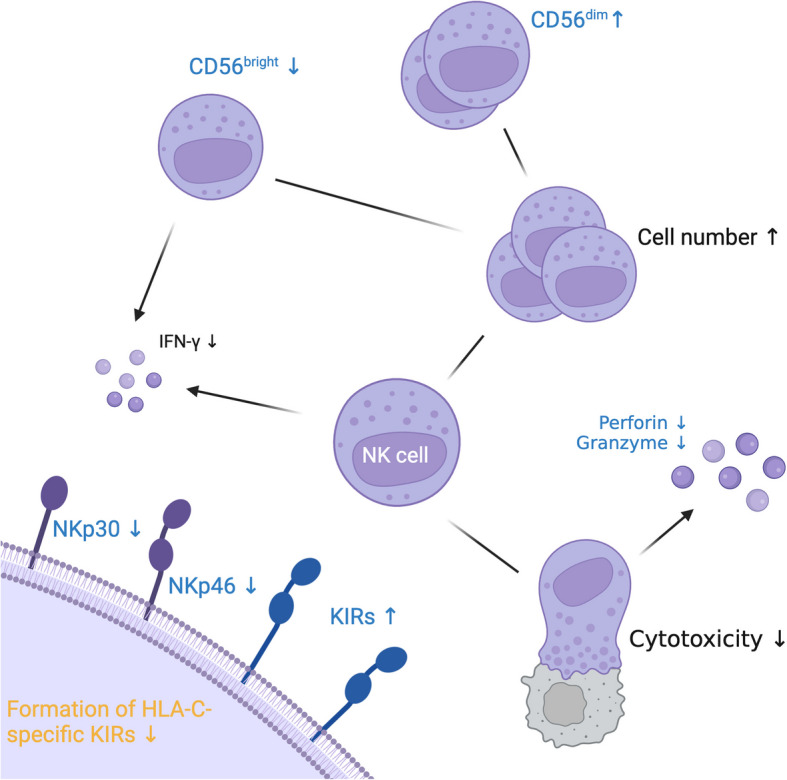
 : Alterations due to aging, but not described in zinc deficiency,
 : Alterations due to zinc deficiency, but not described in aging, (Black) Alterations described in both, zinc deficiency and aging, (↑): increased, (↓): decreased Created in
 : Alterations due to aging, but not described in zinc deficiency,
 : Alterations due to zinc deficiency, but not described in aging, (Black) Alterations described in both, zinc deficiency and aging, (↑): increased, (↓): decreased Created in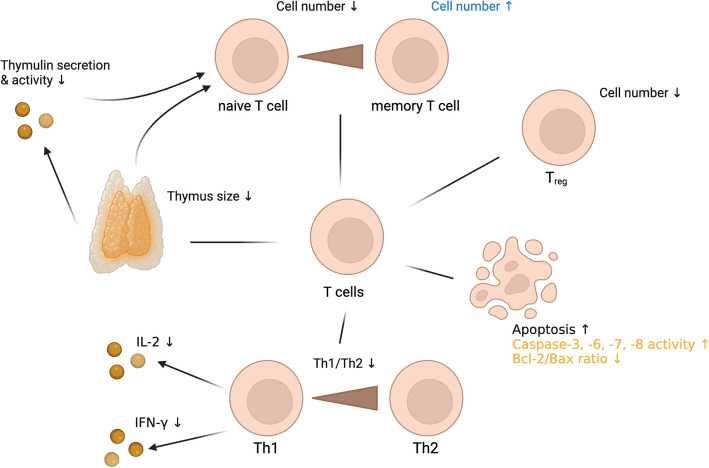
 : Alterations due to aging, but not described in zinc deficiency,
 : Alterations due to zinc deficiency, but not described in aging, (Black) Alterations described in both, zinc deficiency and aging, (↑): increased, (↓): decreased Created in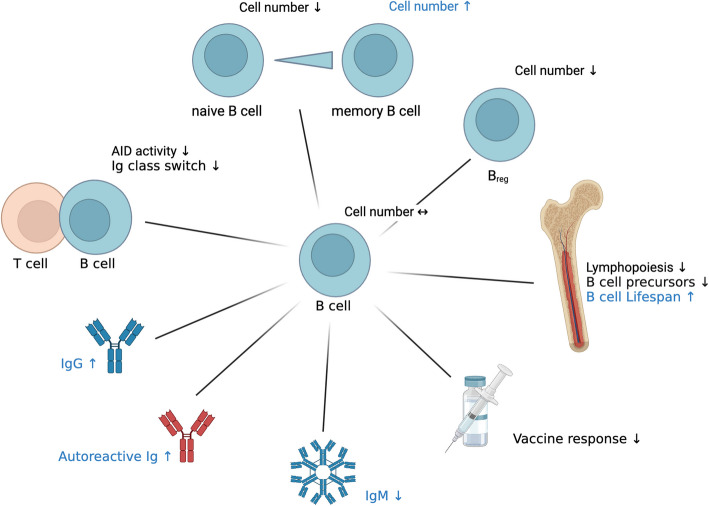
 : Alterations due to aging, (Black) Alternations due to both, zinc deficiency and aging, (↑): increased, (↓): decreased Created in

References
Publication types
LinkOut - more resources
Full Text Sources
Medical
Research Materials
