


MBCARE, a mindfulness- and self-compassion-based intervention to decrease burnout and promote self-compassion in health care providers
- PMID: 40390101
- PMCID: PMC12090463
- DOI: 10.1186/s40359-025-02745-6
MBCARE, a mindfulness- and self-compassion-based intervention to decrease burnout and promote self-compassion in health care providers
Abstract
Background: Mindfulness and compassion training have individually shown significant effects on health care professionals' (HCPs') skills, reducing stress, anxiety, and burnout. This study evaluated the impact of a combined mindfulness and self-compassion intervention on HCPs' wellness.
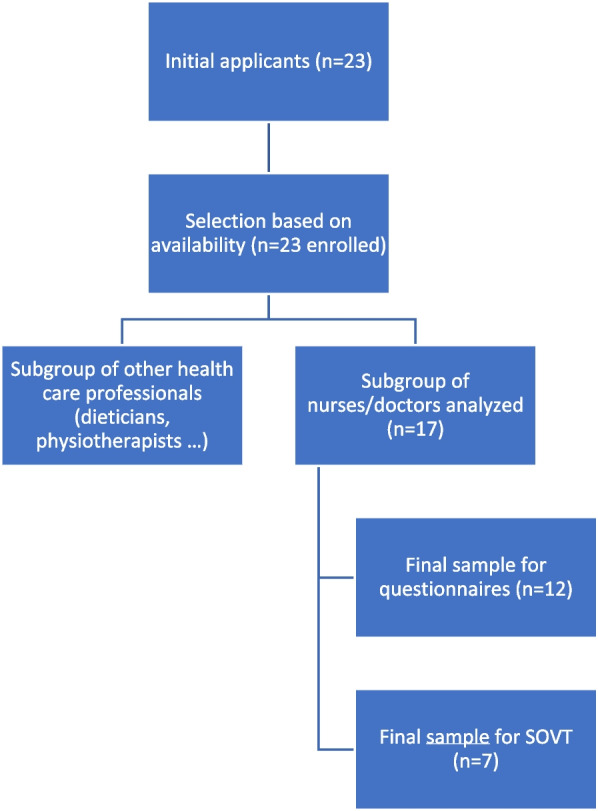
Methods: Seventeen nurses and doctors at a teaching university hospital in France volunteered for the Mindfulness-Based Compassion and Resilience Enhancement (MBCARE) program, a four-week mindfulness and self-compassion training delivered in eight three-hour sessions over four days (one day per week), with 100% attendance. We collected primary data (mindfulness skills, burnout scores, self-compassion, and emotional coping via face-reader evaluations) before and after the intervention.
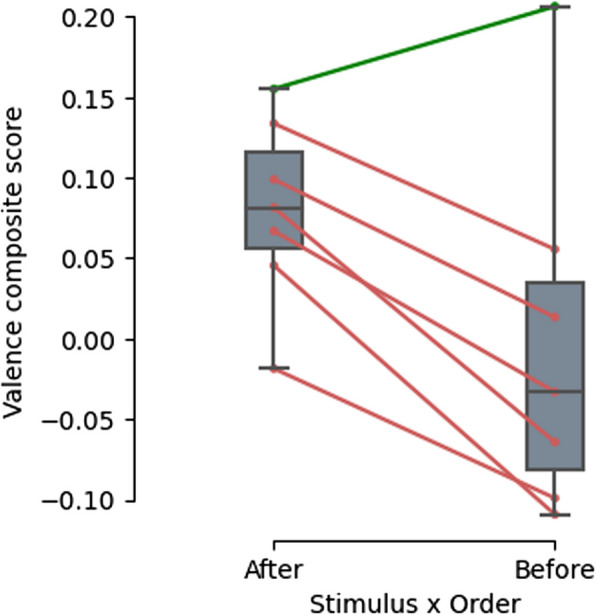
Results: MBCARE was associated with reduced burnout, with emotional exhaustion scores decreasing (MΔ = -4.27, t = 1.95, p = .04) and personal accomplishment scores increasing (MΔ = 2.73, z = 2.48, p = .007) among 12 health care professionals. Patient-perceived centeredness of care showed a ceiling effect, with no significant changes. In a socio-affective video task (n = 7), positive affect increased post-training (p < .05), while negative affect remained stable. Time and availability constraints limited participation, but the program was feasible. Professional contextualization may support skill application, potentially improving emotional regulation and self-compassion, though further research is needed to confirm these effects.
Conclusions: Implementing mindfulness and compassion training for HCPs faces time and availability constraints but meets their needs. Contextualizing the training to professional settings enhances HCPs' ability to apply new skills, yielding benefits in emotional stability and self-compassion.
Keywords: Burnout; Compassion; Emotions; Health care professionals; Mindfulness; Patient-centeredness; Stress.
© 2025. The Author(s).
Conflict of interest statement
Declarations. Ethics approval and consent to participate: Informed consent was obtained from all participants. Approved by INSEAD-Sorbonne University Behavioral Lab Ethics Committee (April 6, 2018), compliant with the Declaration of Helsinki and French data protection laws. Consent for publication: N/A (no individual details). Competing interests: The authors declare no competing interests.
Figures
References
-
- Dyrbye LN, West CP, Satele D, Boone S, Tan L, Sloan J, Shanafelt TD. Burnout among U.S. medical students, residents, and early career physicians relative to the general U.S. population. Acad Med. 2017;92(3):364–71. 10.1097/ACM.0000000000001534 - PubMed
MeSH terms
LinkOut - more resources
Full Text Sources
Medical
