


Ultrasound-driven wireless piezoelectric hydrogel synergizes with cotransplantation of NSCs-hUCMSCs for structural and functional recovery in spinal cord injury
- PMID: 40391024
- PMCID: PMC12088769
- DOI: 10.1016/j.mtbio.2025.101805
Ultrasound-driven wireless piezoelectric hydrogel synergizes with cotransplantation of NSCs-hUCMSCs for structural and functional recovery in spinal cord injury
Abstract
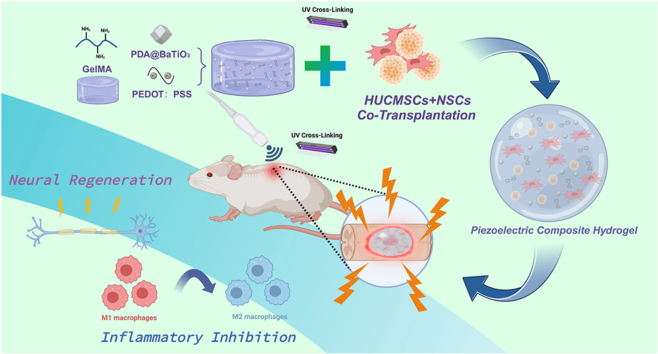
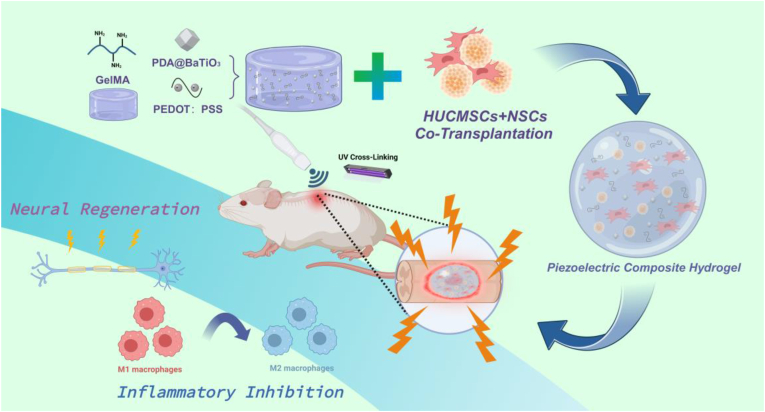
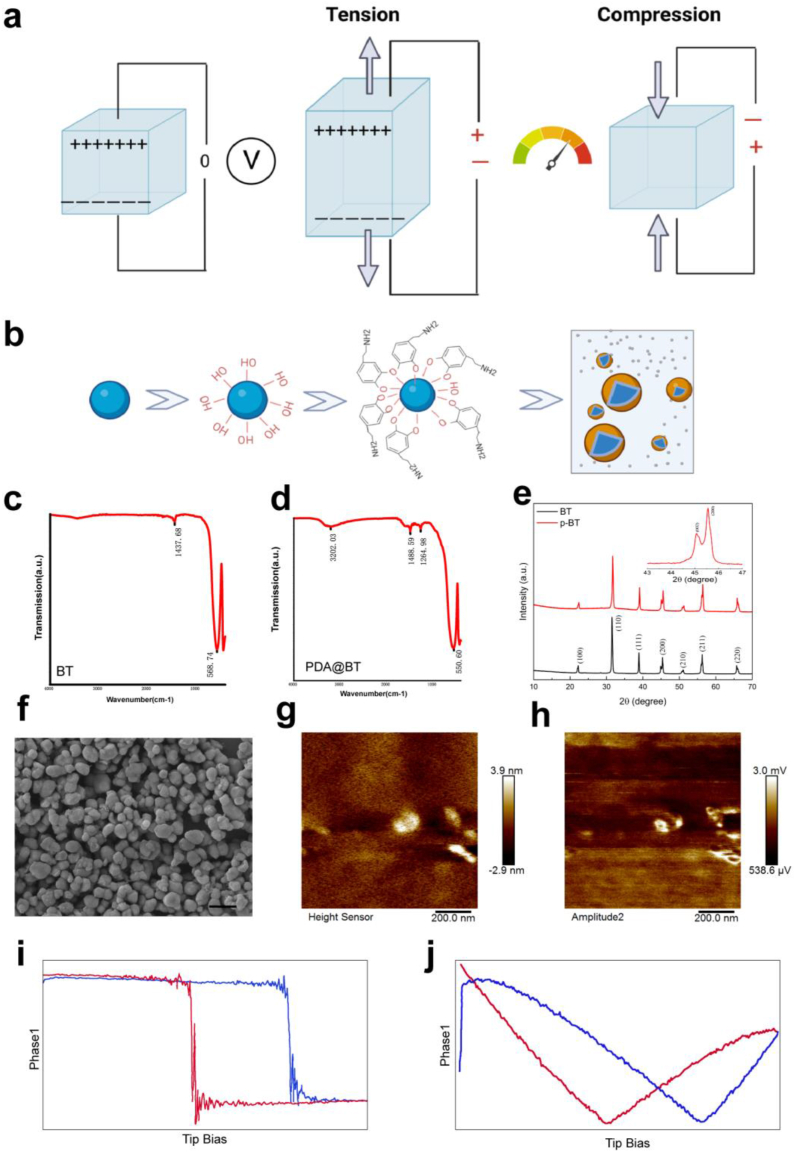
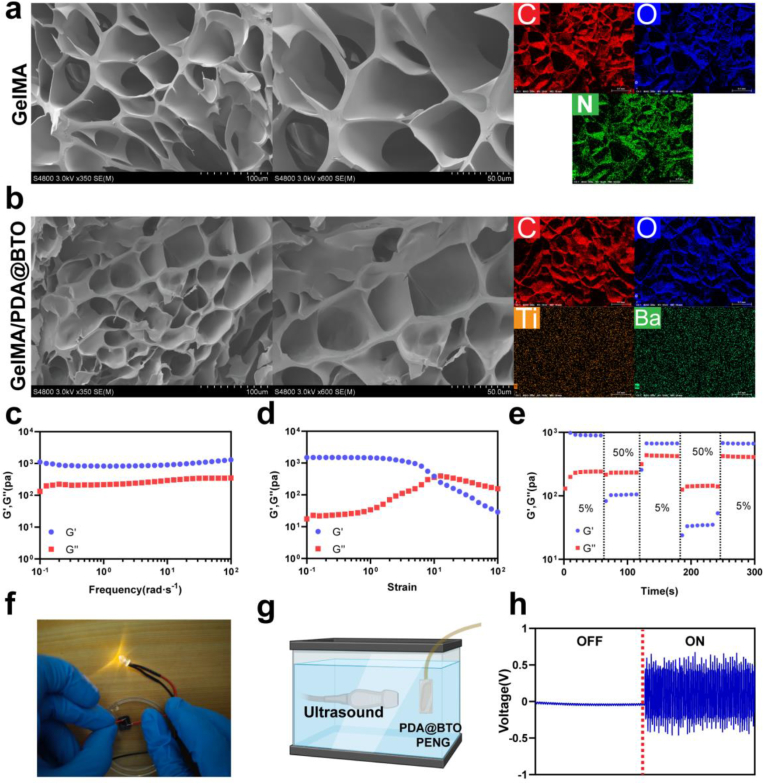
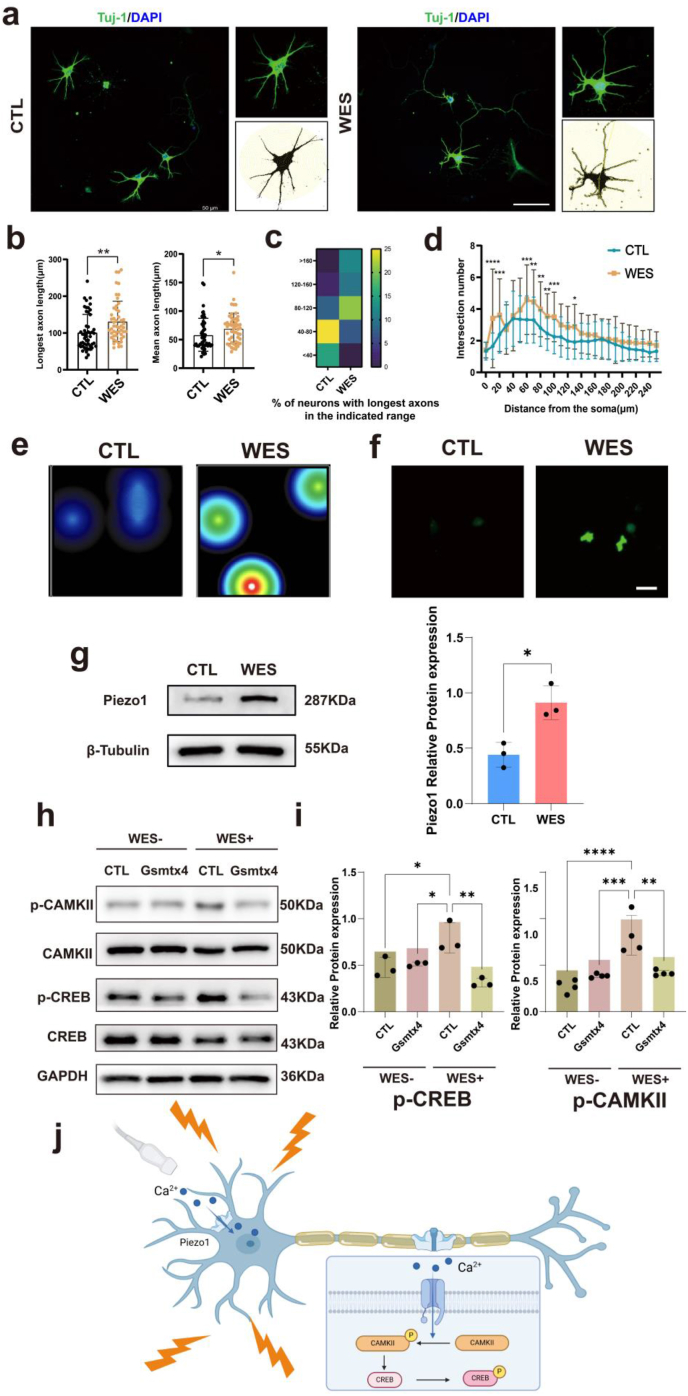
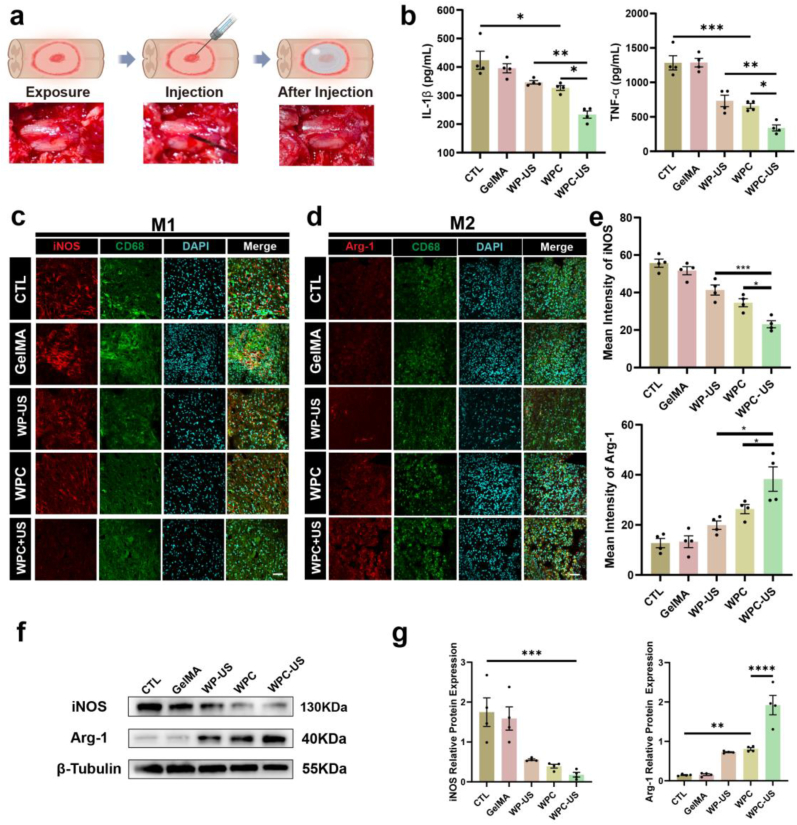
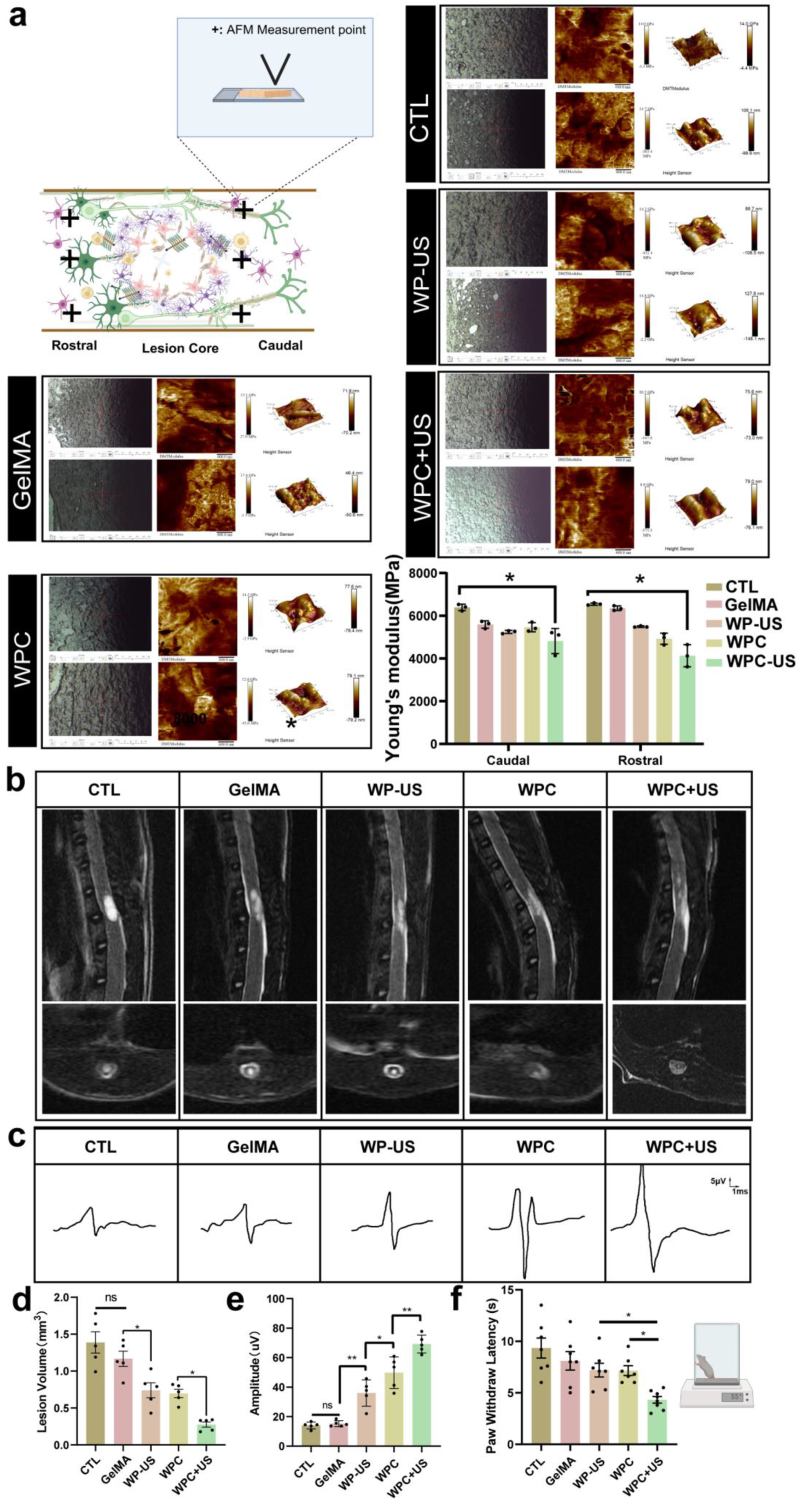
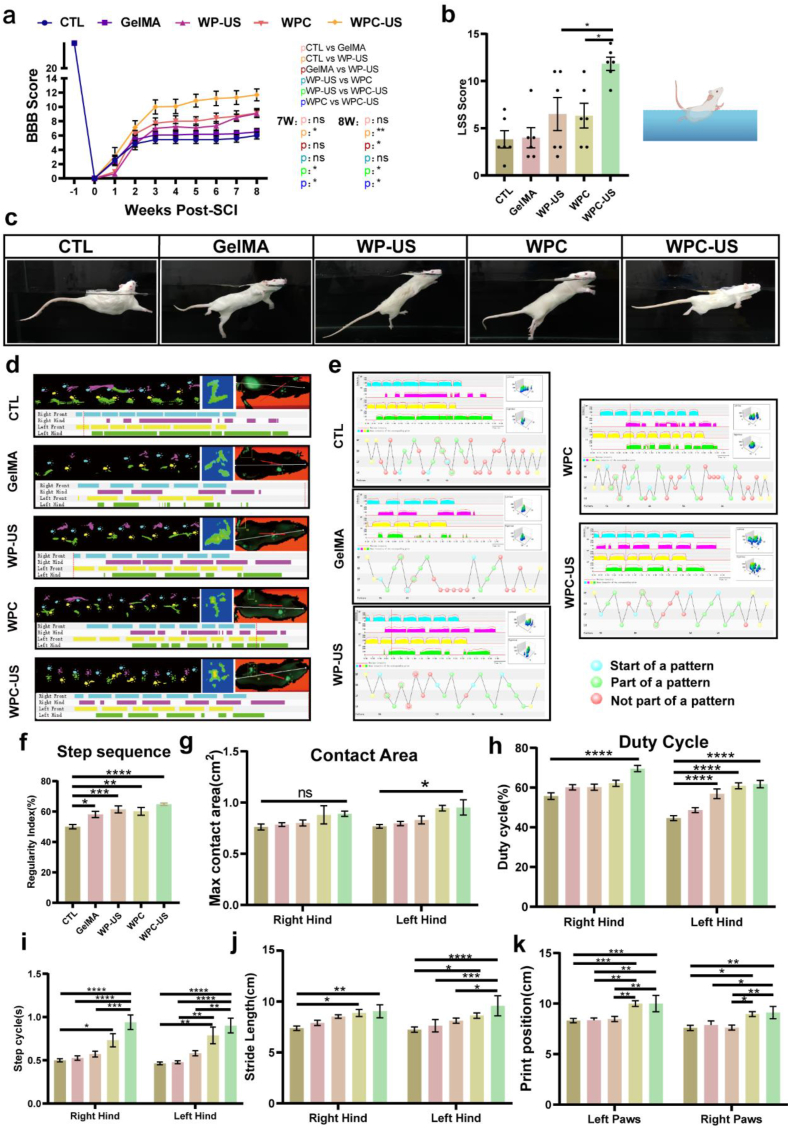
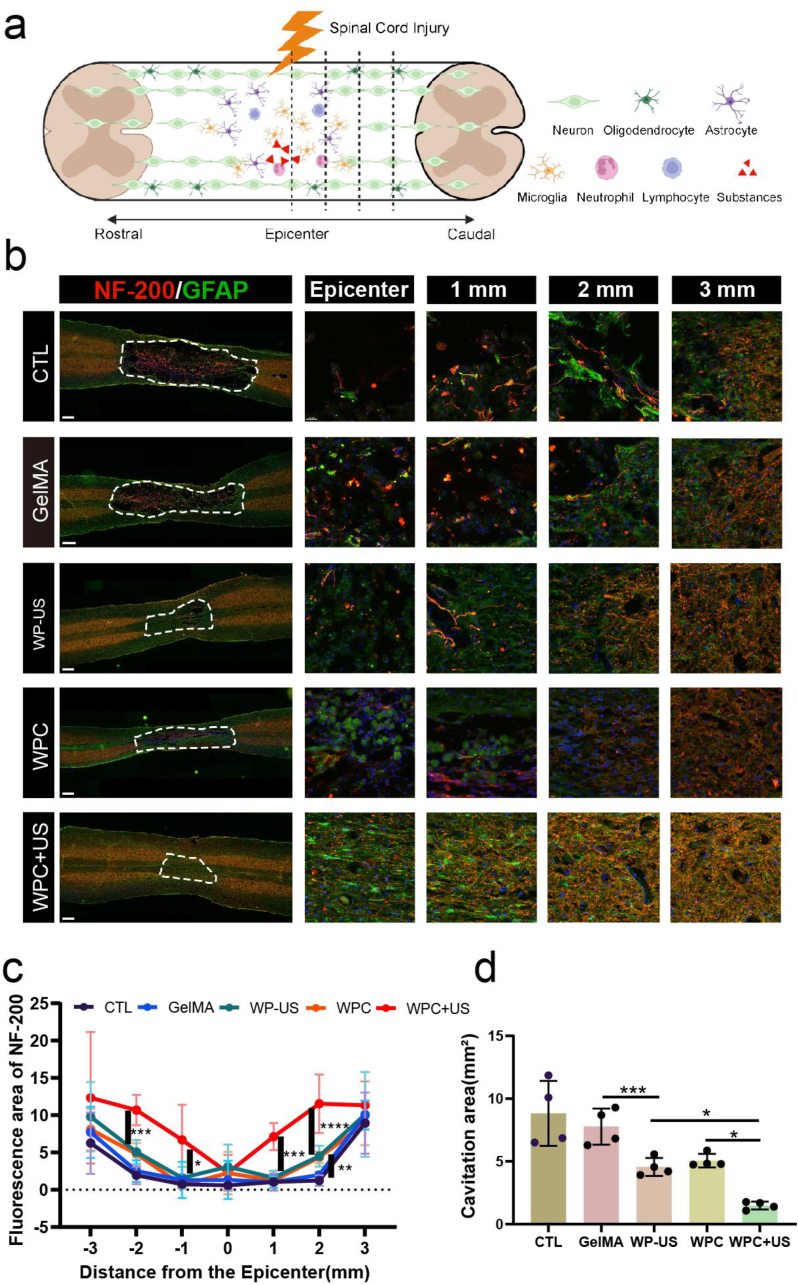
Spinal cord injury (SCI) is a devastating condition of the central nervous system, characterized by disrupted regulation of the immune microenvironment and the loss of electrical signaling, which poses significant challenges to repair. Neural stem cells (NSCs) have the potential to promote functional recovery after SCI; however, their therapeutic potential is limited by poor survival, restricted proliferation, and suboptimal differentiation. Human umbilical cord-derived mesenchymal stem cells (hUCMSCs) possess powerful paracrine and immunomodulatory properties, providing a supportive niche that improves the engraftment and function of NSCs. Recently, piezoelectric materials have attracted increasing attention for their ability to convert mechanical energy into electrical signals, thus providing a noninvasive, wireless alternative to traditional electrode-based therapies for neural regeneration. In this study, we investigated the synergistic effects of NSCs and hUCMSCs, focusing on how hUCMSCs direct NSC differentiation and the mechanisms underlying this action. We also introduce an ultrasound-driven wireless piezoelectric hydrogel, which generates electrical signals through the piezoelectric effect. In vitro, wireless electrical stimulation activated primary cortical neurons, stimulated axonal growth, and promoted neuronal plasticity through the Piezo1 channel and downstream CREB/CAMKII signaling pathways. In a rat SCI model, wireless piezoelectric hydrogel synergized with cotransplanting NSCs-hUCMSCs and modulated the immune microenvironment during the acute phase, thereby restructuring scar cavities during the chronic phase, suppressing scar formation, accelerating neurogenesis, and facilitating axonal regeneration. These results emphasize the potential of synergizing stem cell therapies with wireless piezoelectric stimulation as a promising strategy for SCI repair, providing novel insights into the clinical translation of regenerative treatments.
Keywords: Piezoelectric nanogenerator; Spinal cord injury; Ultrasound; Wireless electrical stimulation.
© 2025 The Authors.
Conflict of interest statement
The authors declare that they have no known competing financial interests or personal relationships that could have appeared to influence the work reported in this paper.
Figures
References
-
- Chen S.-Y., Yang R.-L., Wu X.-C., Zhao D.-Z., Fu S.-P., Lin F.-Q., Li L.-Y., Yu L.-M., Zhang Q., Zhang T. Mesenchymal stem cell transplantation: neuroprotection and nerve regeneration after spinal cord injury. J. Inflamm. Res. 2023;16:4763–4776. doi: 10.2147/JIR.S428425. PubMed. - DOI - PMC - PubMed
LinkOut - more resources
Full Text Sources
