


Women wash practices and household diarrhea among rural indigenous Kumal community of Nepal: a cross-sectional study
- PMID: 40394572
- PMCID: PMC12090698
- DOI: 10.1186/s12889-025-23106-3
Women wash practices and household diarrhea among rural indigenous Kumal community of Nepal: a cross-sectional study
Abstract
Introduction: Access to safe water, sanitation, and hygiene (WASH) is crucial for public health. However, women and marginalized communities in Nepal continue to face significant barriers. The Kumal community, a marginalized indigenous group traditionally known for pottery, experiences a disproportionate burden of preventable diseases like diarrhea. Due to geographical isolation, cultural practices, and limited resources, women have greater health, social, and economic impacts from inadequate water, sanitation, and hygiene services. Therefore, this study aims to assess WASH practices among women and explore factors associated with household diarrhea in the indigenous Kumal community of Nepal.
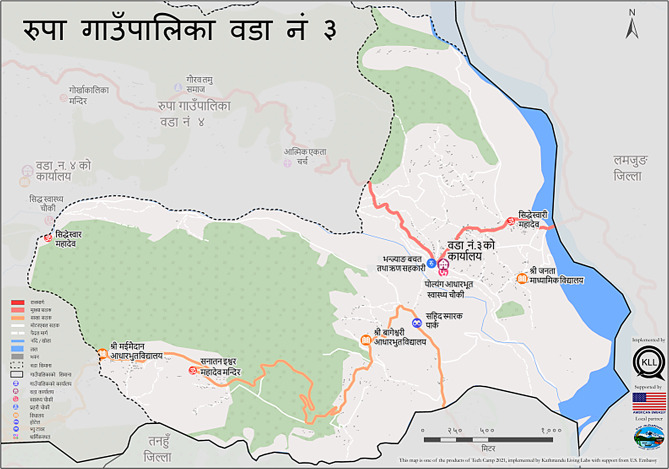
Methods: A community-based cross-sectional study was conducted from October 2022 to February 2023 among women aged 18 years and older who are mostly involved in WASH-related practices in the Kumal community of Rupa Rural Municipality, Nepal. A total of 194 Kumal households were systematically selected using a sampling frame of 325 households. Data was collected through interviews using a semi-structured questionnaire adapted from the WHO/UNICEF Joint Monitoring Program (JMP). Chi-square tests and logistic regression were performed to assess the associations between WASH practices and diarrhea prevalence, with a significance threshold set at p-value < 0.05 and 95% confidence intervals.
Results: One-third of the participants reported at least one household member experiencing diarrhea in the past three months. Among children under 5 years, the prevalence of diarrhea was 41.7%. While 72.2% reported knowledge about preventive measures, only 1.5% knew the treatment of complications. Respondents with a monthly income of less than 15,000 NPR (AOR = 2.98, 95% CI: 1.42-6.23) and those who kept pigs as livestock (AOR = 4.44, 95% CI: 2.01-9.79) were significantly more likely to experience diarrhea than their respective counterparts. Those who washed their hands five times or less daily had a higher likelihood of experiencing diarrhea (AOR = 4.62, 95% CI: 1.96-10.87).
Conclusion: This study underscores the importance of WASH practices in preventing diarrhea in the Kumal community. It is crucial to address key factors like low income, livestock presence, and inadequate handwashing through targeted interventions to reduce diarrhea incidence and ultimately protect vulnerable populations.
Keywords: Children; Diarrhea; Kumal community; WASH.
© 2025. The Author(s).
Conflict of interest statement
Declarations. Ethics approval and consent to participate: Ethical approval for the study was granted by the Institutional Review Committee of Manmohan Memorial Institute of Health Sciences, Institute of Medicine, Tribhuvan University (01/09/2023- MMIHS IRC 892; Ref 79/156). The permission for the study was also taken from the Office of Municipal Office, Rupa Rural Municipality. Witten informed consent was obtained from the participants. The anonymity and confidentiality of the information were assured, and the privacy of each respondent was maintained throughout the data collection process. All procedures were conducted in compliance with the Helsinki Declaration. Consent for publication: Not applicable. Competing interests: The authors declare no competing interests.
Figures


References
-
- Progress on household drinking. water, sanitation and hygiene, 2000–2020: Five years into the SDGs - UNICEF DATA [Internet]. [cited 2022 Aug 14]. Available from: https://data.unicef.org/resources/progress-on-household-drinking-water-s...
-
- WHO. Diarrhoeal disease [Internet]. 2017 [cited 2022 Aug 23]. Available from: https://www.who.int/news-room/fact-sheets/detail/diarrhoeal-disease
-
- Glass R. Book review: disease control priorities in developing countries. N Engl J Med. 2006;355(10):1074–5. - DOI
MeSH terms
LinkOut - more resources
Full Text Sources
Medical
Miscellaneous
