


Review of Network Meta-Analyses on the Efficacy of Chemopreventive Agents on Colorectal Adenomas and Cancer
- PMID: 40394866
- PMCID: PMC12093012
- DOI: 10.1177/10732748251344481
Review of Network Meta-Analyses on the Efficacy of Chemopreventive Agents on Colorectal Adenomas and Cancer
Abstract
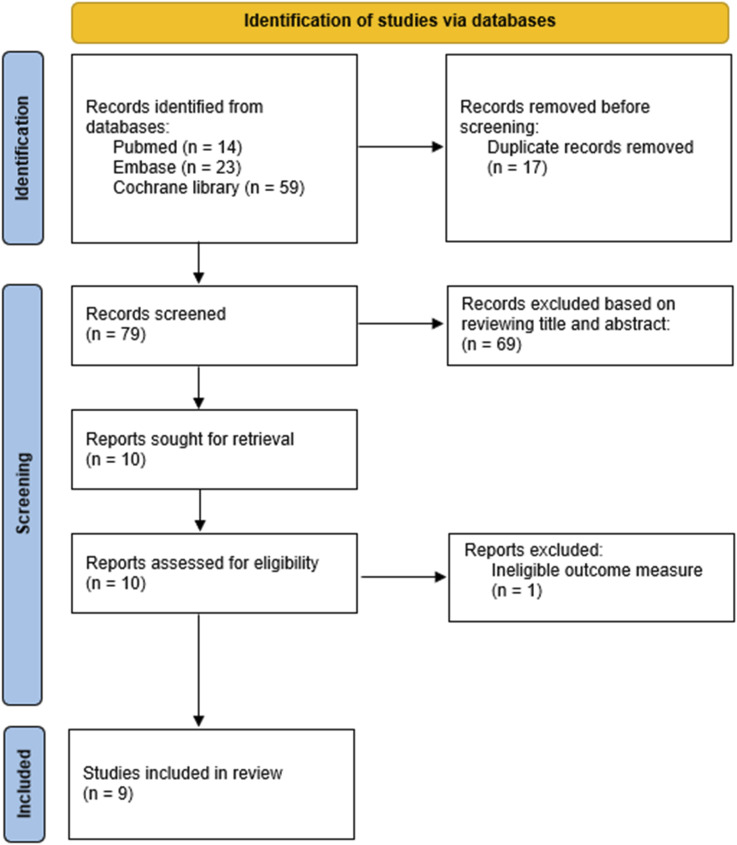
BackgroundColorectal cancer (CRC) is the third most diagnosed cancer and the second leading cause of cancer-related death worldwide. Colorectal adenomas (CRAs) are a crucial precursor for CRC and a target for preventive strategies. Recent network meta-analyses (NMAs) of randomized controlled trials (RCTs) suggest that chemopreventive agents (CPAs) are associated with reductions in CRC incidence. However, the quality of this evidence is low due to significant variability in the methods and types of studies assessed.PurposeOur study reviewed the efficacy and safety of CPAs on CRAs or CRCs evaluated in NMAs of RCTs and assessed the quality of all published NMAs on CPAs.Research DesignWe searched PubMed, Embase, and Cochrane Library for studies published from inception to July 29, 2024. We included all NMAs assessing the efficacy and safety of CPAs on CRC in both average-risk (general population) and high-risk (previous history of adenoma/CRC) populations. ResultsNine NMAs comparing 15 different interventions were included. Aspirin and non-aspirin non-steroidal anti-inflammatory drugs (NSAIDs) such as celecoxib were the most studied. Aspirin demonstrated efficacy against the development of any CRA and low-dose aspirin was consistently more protective than high-dose aspirin. However, the effect of aspirin against advanced CRA was not statistically significant. Concerns for long-term aspirin use included an increased risk of gastrointestinal bleeding and ulceration, but when evaluating all serious adverse events (SAEs), aspirin users did not have an increased risk compared to controls. Non-aspirin NSAIDs showed better efficacy against advanced CRA. However, the use of non-aspirin NSAIDs such as celecoxib was associated with significantly increased risk of SAEs, particularly cardiovascular disease events.ConclusionsConsidering the balance of efficacy and safety, low-dose aspirin is currently the best option for chemoprevention of CRA/CRC. Future research is needed to better characterize the patient subgroups that benefit most and to develop new, more effective CPAs.
Keywords: chemoprevention; chemopreventive agents; colorectal adenoma; colorectal cancer; preventive therapy; therapeutic prevention.
Conflict of interest statement
Declaration of Conflicting InterestsThe authors declared no potential conflicts of interest with respect to the research, authorship, and/or publication of this article.
References
Publication types
MeSH terms
Substances
LinkOut - more resources
Full Text Sources
Medical
