


The persistent challenge of ischemic stroke burden from high fasting plasma glucose: a global perspective
- PMID: 40395813
- PMCID: PMC12088946
- DOI: 10.3389/fendo.2025.1490428
The persistent challenge of ischemic stroke burden from high fasting plasma glucose: a global perspective
Abstract
Background: Ischemic stroke is a leading cause of disability and mortality worldwide, with high fasting plasma glucose (HFPG) recognized as a critical modifiable risk factor. This study aimed to evaluate the global disease burden of ischemic stroke attributable to HFPG and predict trends over the next 15 years.
Methods: We utilized the comparative risk assessment method from the Global Burden of Disease (GBD) 2021 study to quantify disease burden in terms of deaths, Disability-Adjusted Life Years (DALYs), and their age-standardized rates. The estimated annual percent changes (EAPCs) were calculated to evaluate temporal trends. Additionally, our analysis included health inequality analysis, decomposition analysis, and predictive analysis employing the Bayesian Age-Period-Cohort model (BAPC).
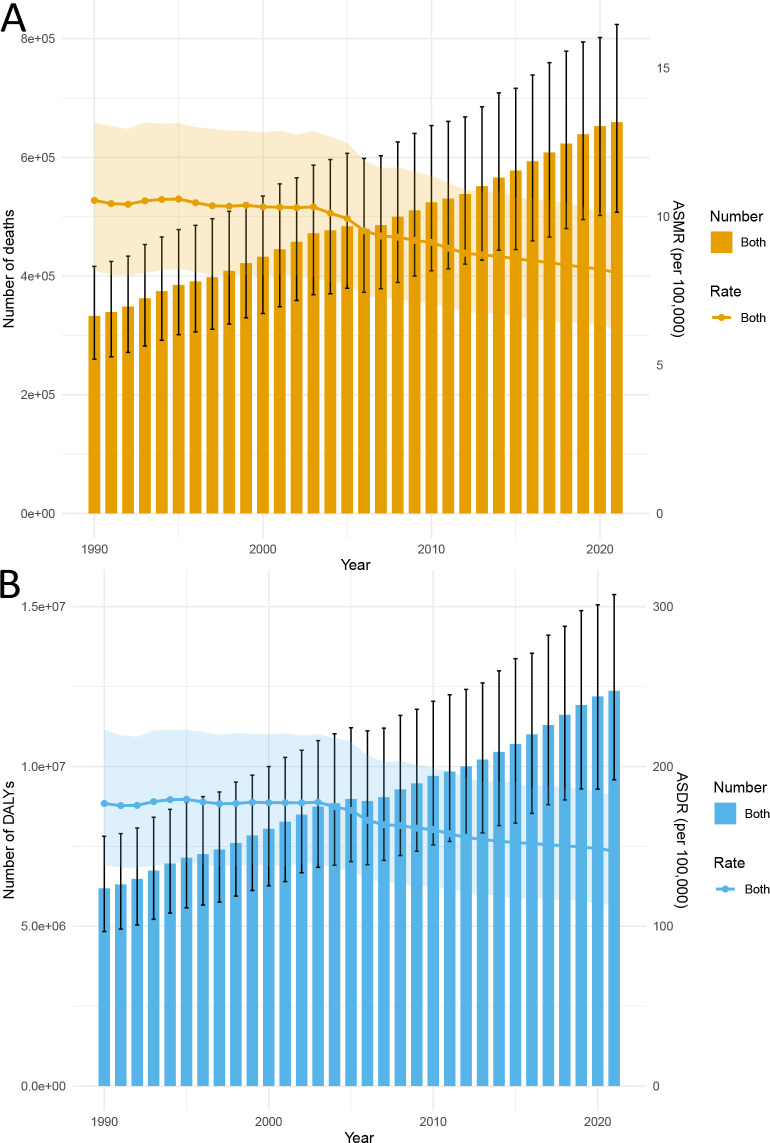
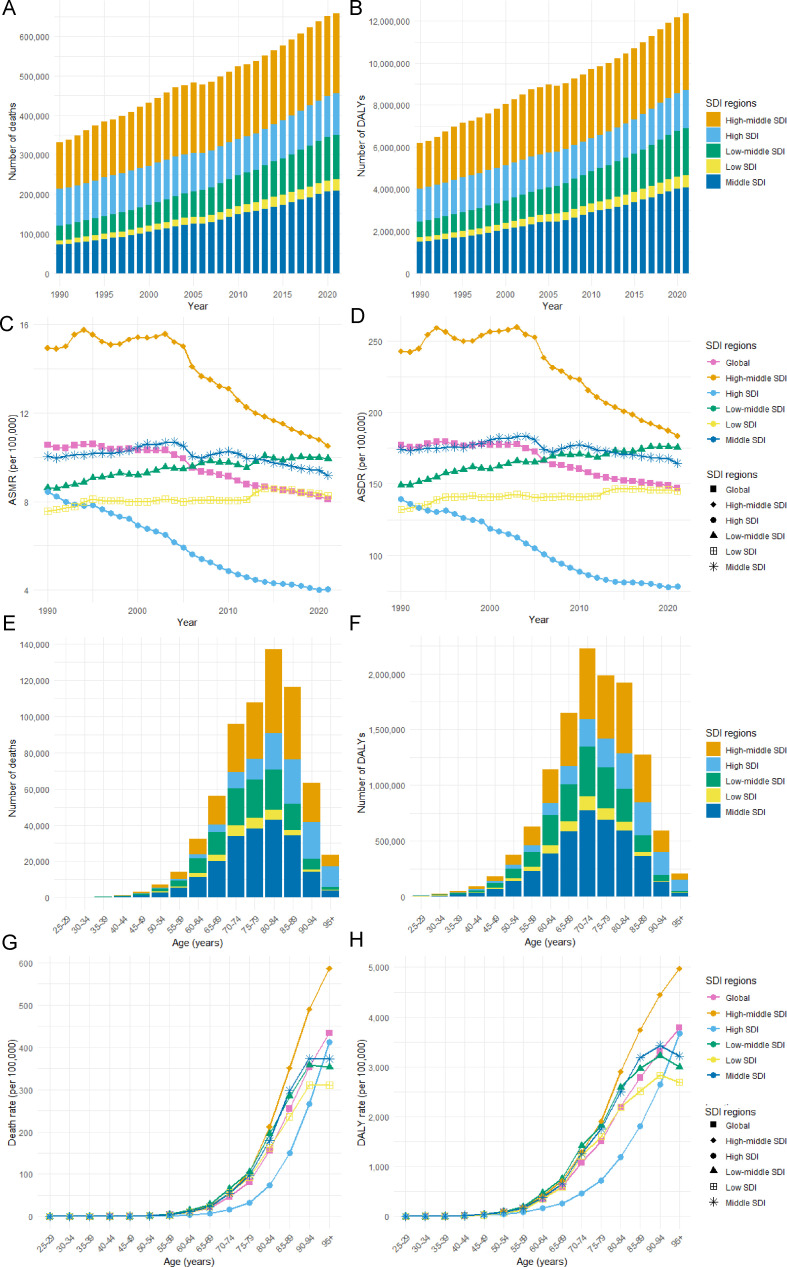
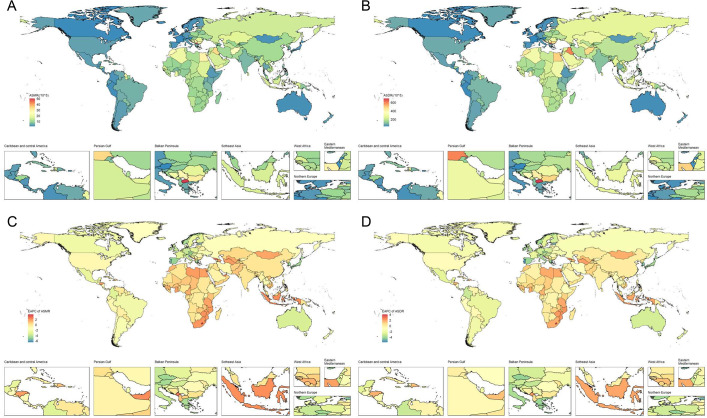
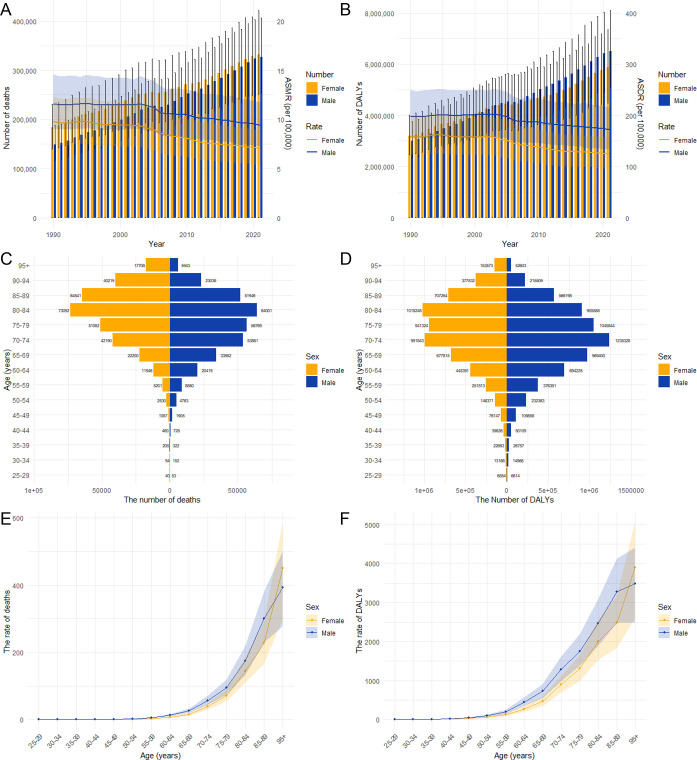
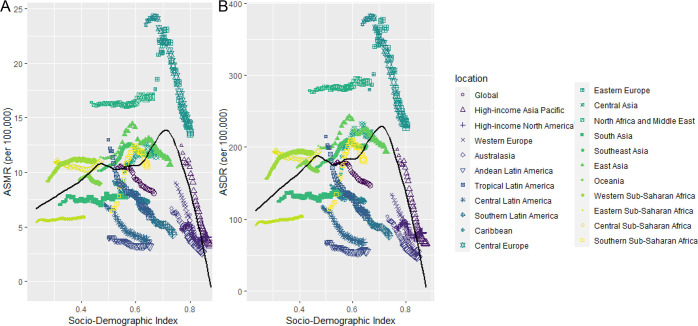
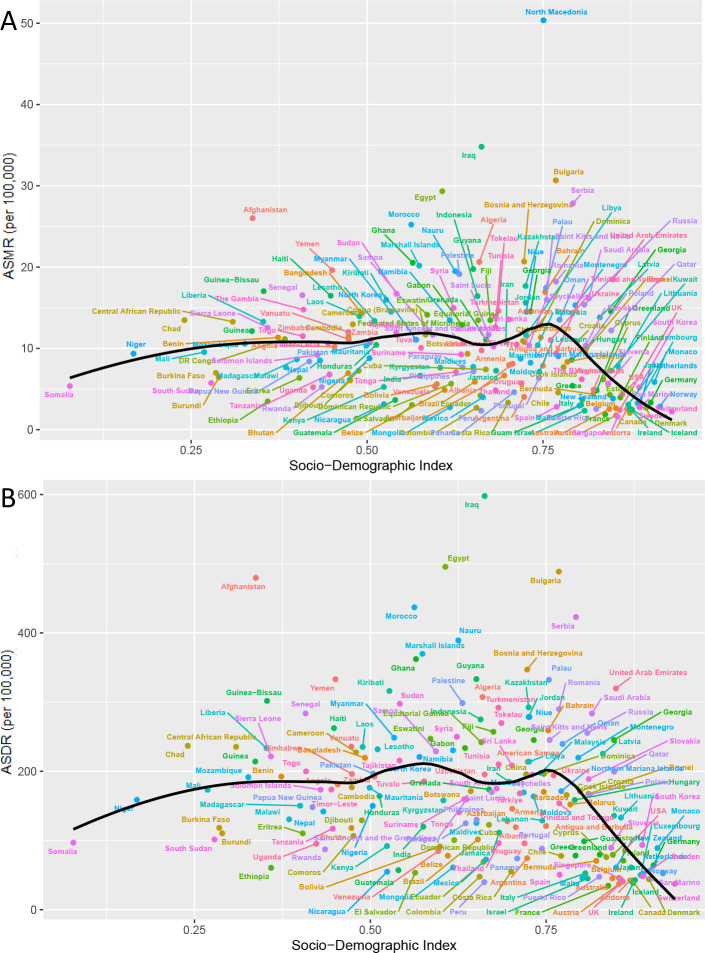
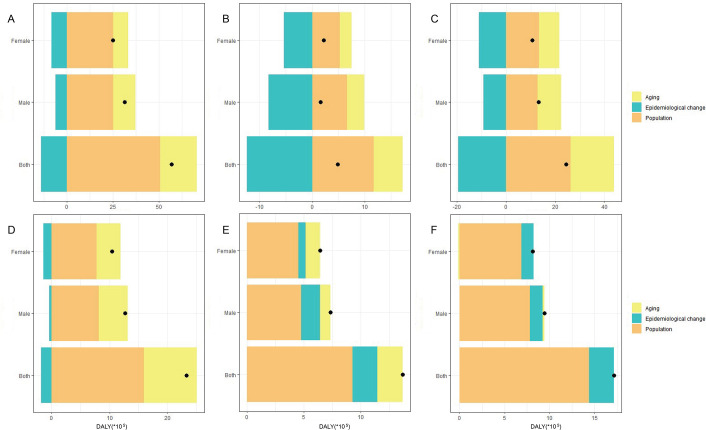
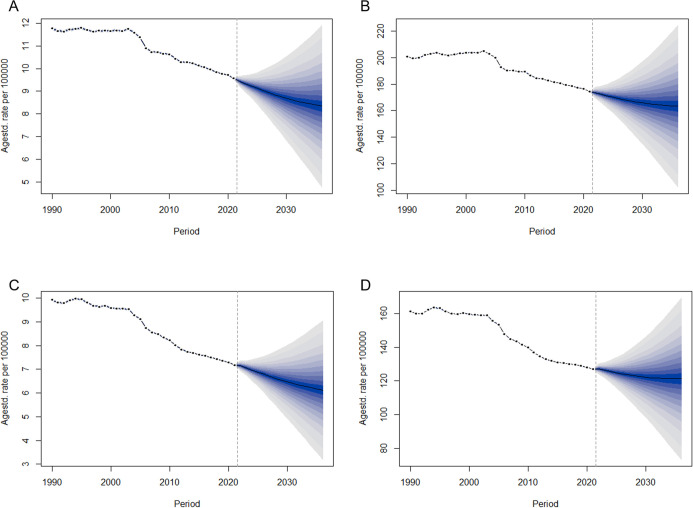
Results: In 2021, the global deaths and DALYs attributable to ischemic stroke due to HFPG were 659,378 (95% UI: 507,502 to 823,945) and 12,371,434 (95% UI: 9,587,506 to 15,382,662), respectively. Notably, both figures have doubled since 1990. Over the past 30 years, both the age-standardized mortality rate (ASMR) and the age-standardized DALY rate (ASDR) have experienced a significant decline, with EAPC of -0.96 (95% CI: -1.05 to -0.86) and -0.72 (95% CI: -0.81 to -0.62), respectively. High-middle and middle Socio-Demographic Index (SDI) regions represented the primary locations of disease burden, while this burden is gradually shifting towards low SDI regions. Furthermore, the burden was more significant in men than in women and was more pronounced in middle-aged and elderly populations compared to younger individuals. Population growth and aging were the principal factors contributing to the increasing disease burden. Additionally, projections indicate that the disease burden will exhibit a downward trend over the next 15 years.
Conclusion: For over 30 years, while ASMR and ASDR have shown a decline, the deaths and DALYs attributable to ischemic stroke resulting from HFPG continue to rise globally. This trend underscores the persistent public health challenge posed by ischemic stroke associated with HFPG. Future targeted medical strategies should prioritize populations beyond those with High SDI, especially concentrating on middle-aged and elderly individuals and male patients.
Keywords: disability-adjusted life years; global burden; high fasting plasma glucose; ischemic stroke; mortality.
Copyright © 2025 Sun, Zhang, Zuo, Li, Li, Zhang and Chen.
Conflict of interest statement
The authors declare that the research was conducted in the absence of any commercial or financial relationships that could be construed as a potential conflict of interest.
Figures
References
MeSH terms
Substances
LinkOut - more resources
Full Text Sources
Medical
Miscellaneous
