


N4-acetylcytidine modification of LncRNA GFOD1-AS1 promotes high glucose-induced dysfunction in human dermal microvascular endothelial cells through stabilization of DNMT1 protein
- PMID: 40411601
- PMCID: PMC12103335
- DOI: 10.1007/s10142-025-01617-x
N4-acetylcytidine modification of LncRNA GFOD1-AS1 promotes high glucose-induced dysfunction in human dermal microvascular endothelial cells through stabilization of DNMT1 protein
Abstract
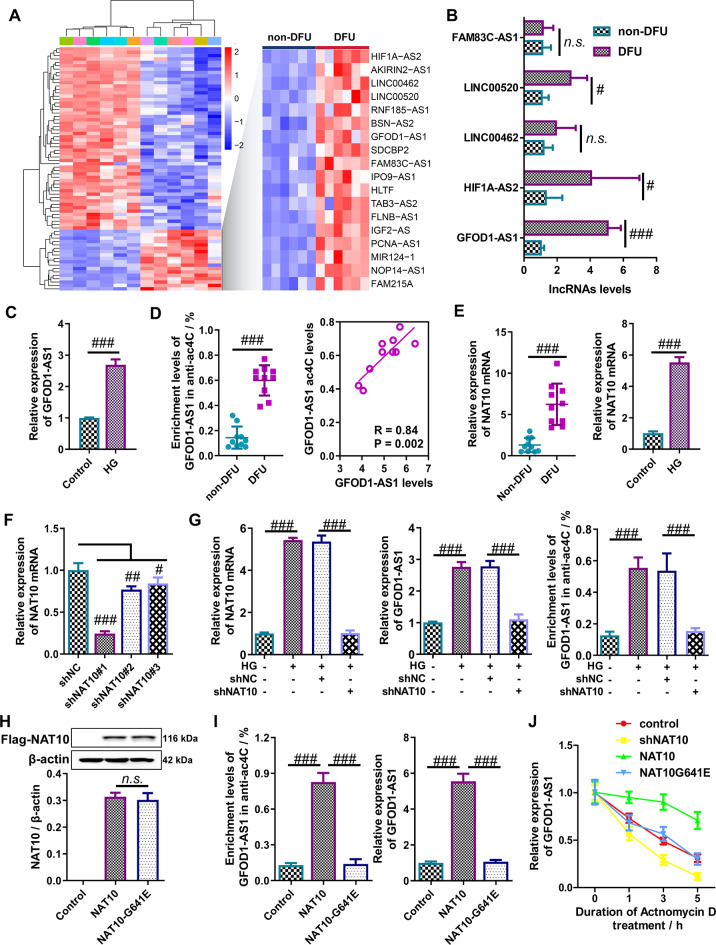
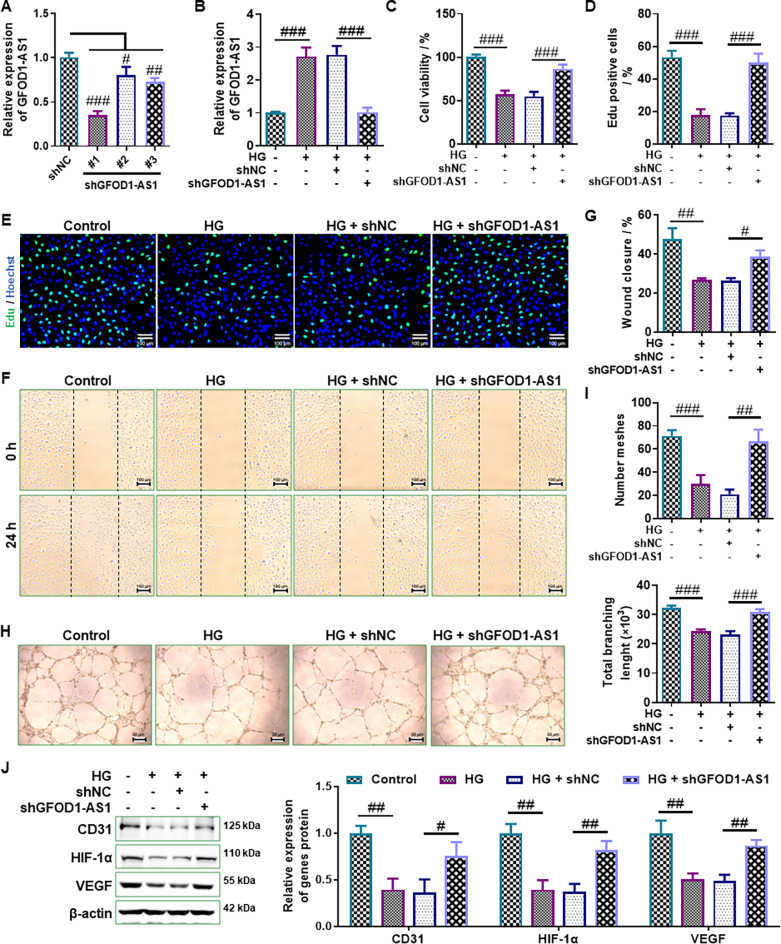
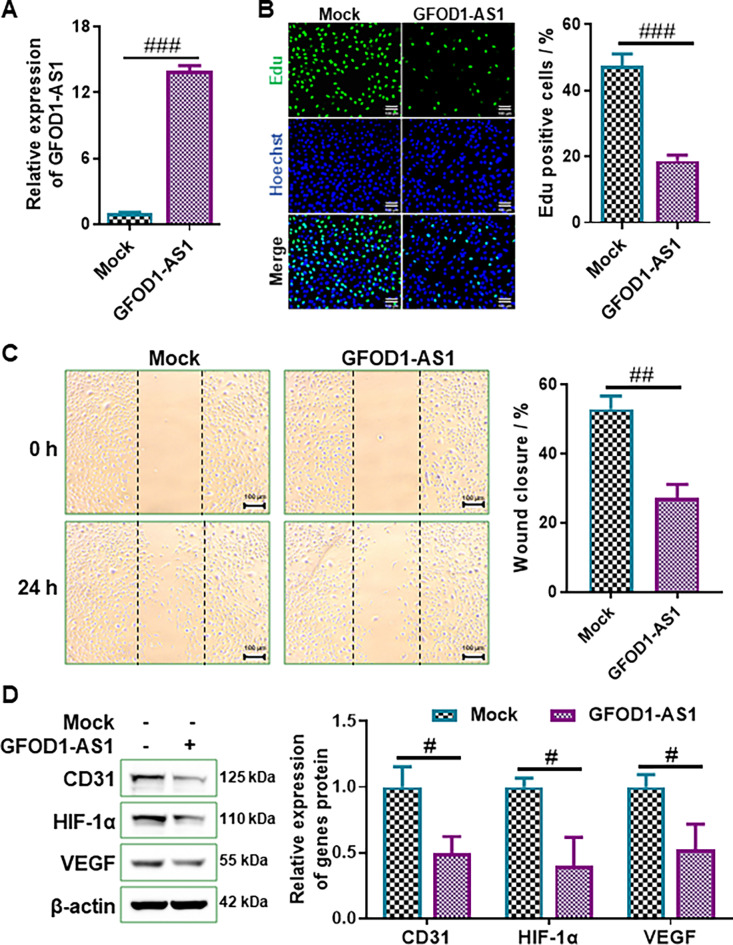
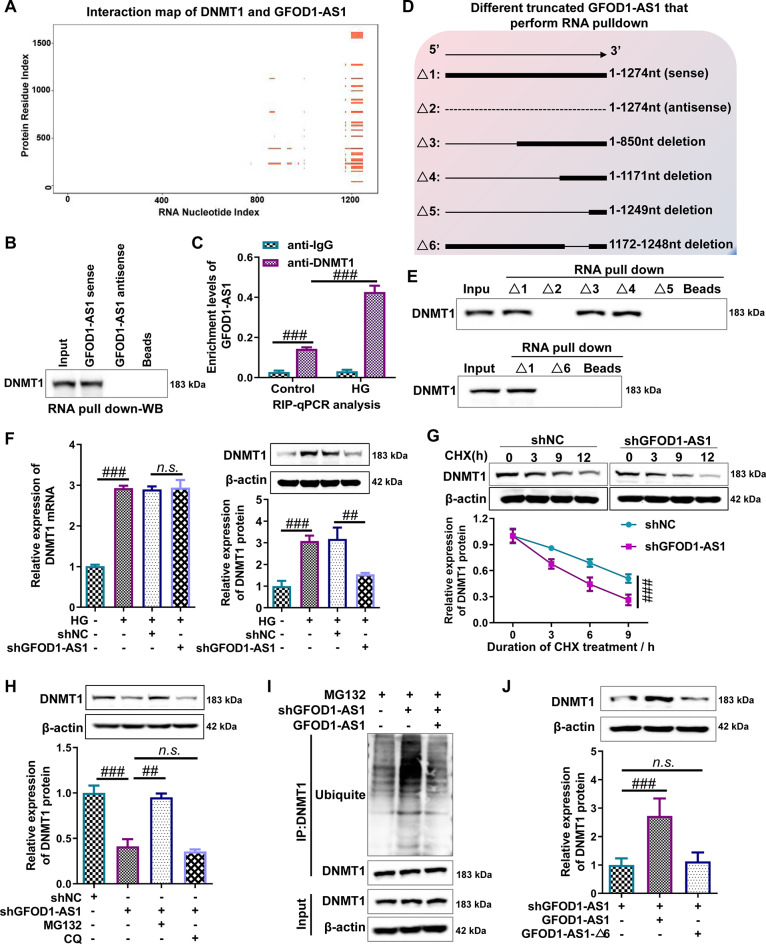
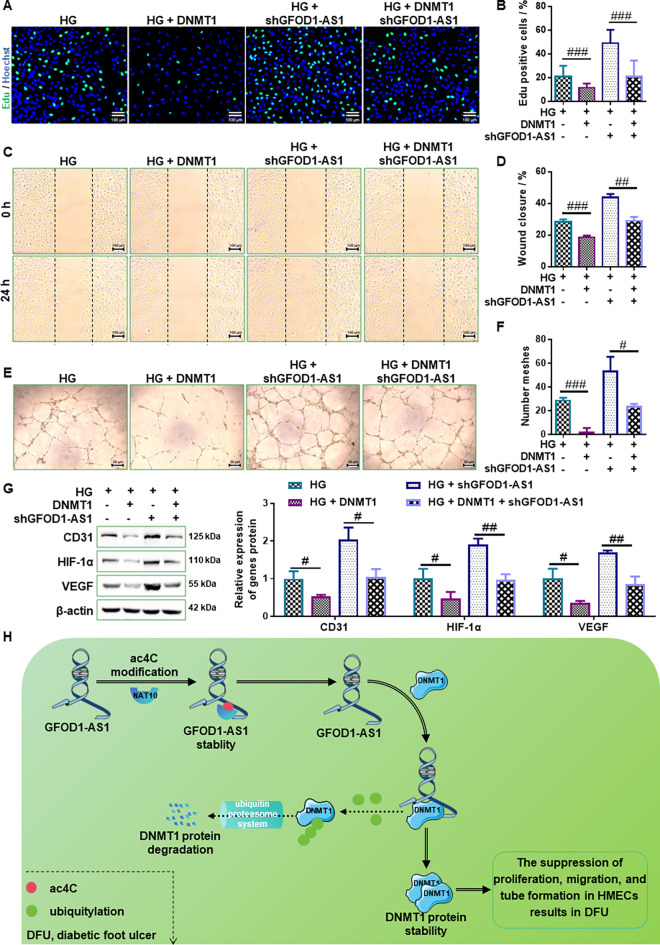
Emerging evidence supports that angiogenesis is essential for the wound healing of diabetic foot ulcer (DFU), and high glucose (HG)-induced dysfunction of human dermal microvascular endothelial cells is a key factor that hinders angiogenesis. However, the underlying mechanisms by which HG leads to the dysfunction of human dermal microvascular endothelial cells has not been fully elucidated. In the present investigation, we discovered a significant upregulation of the long non-coding RNA GFOD1-AS1(GFOD1-AS1) in the ulcer margin samples of patients with DFU and the HG-induced dysfunction model of human dermal microvascular endothelial cells, attributing its dysregulation to the stabilizing effect of NAT10-mediated ac4C modification, as corroborated by an integrated approach of data mining and experimental validation. Subsequently, a series of in vitro functional analyses showed that ectopic expression of GFOD1-AS1 promoted impaired function of human dermal microvascular endothelial cells. In contrast, knockdown of GFOD1-AS1 significantly alleviated the HG-induced functional impairment in human dermal microvascular endothelial cells, as indicated by the enhanced cell proliferation, migration, and tube formation. Mechanistically, GFOD1-AS1 directly interacts with DNA methyltransferase DNMT1 to block its ubiquitin-proteasome degradation, thereby enhancing the protein stability of DNMT1.This stability elevates DNMT1 protein expression, ultimately inducing HG-induced dysfunction in human dermal microvascular endothelial cells. In summary, our results reveal that GFOD1-AS1 serves as a potential therapeutic target for DFU, and highlight the critical role of the NAT10/GFOD1-AS1/DNMT1 axis in the dysfunction of human dermal microvascular endothelial cells in DFU.
Keywords: DNMT1; Diabetic foot ulcer; GFOD1-AS1; Human dermal microvascular endothelial cells; N4-acetylcytidine modification.
© 2025. The Author(s).
Conflict of interest statement
Declarations. Competing interests: The authors declare no competing interests.
Figures
References
-
- Chen L, Shen S, Wang S (2023) LncRNA SNHG16 knockdown promotes diabetic foot ulcer wound healing via sponging MiR-31-5p. Tohoku J Exp Med - PubMed
MeSH terms
Substances
LinkOut - more resources
Full Text Sources
Medical
