


Screening, Analysis, and Validation of Endoplasmic Reticulum Stress-Related DEGs in Epilepsy
- PMID: 40413658
- PMCID: PMC12104130
- DOI: 10.1007/s10571-025-01567-9
Screening, Analysis, and Validation of Endoplasmic Reticulum Stress-Related DEGs in Epilepsy
Abstract
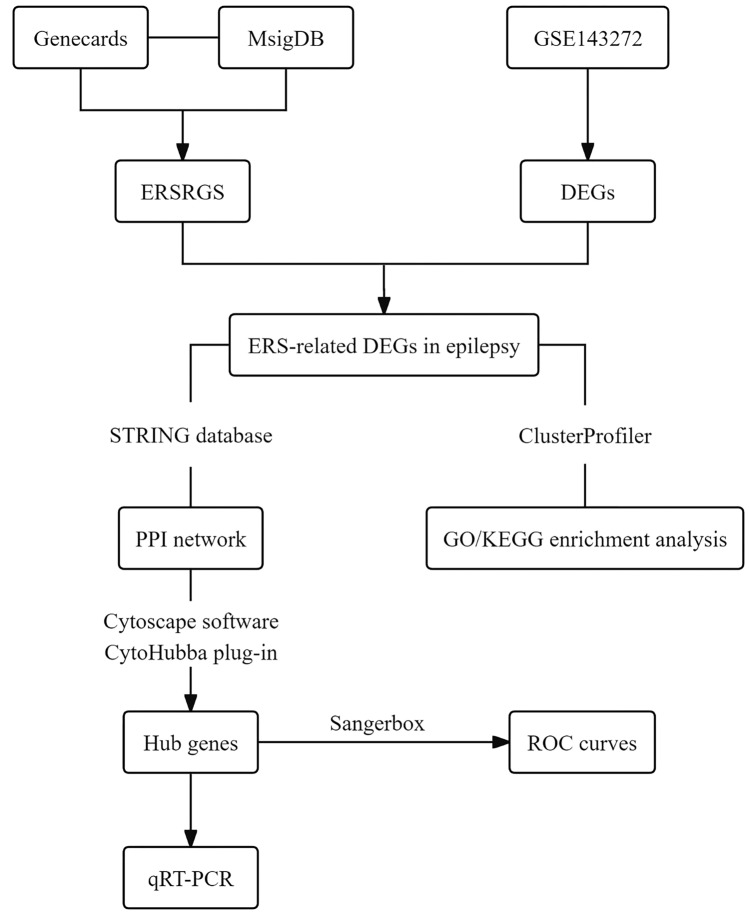
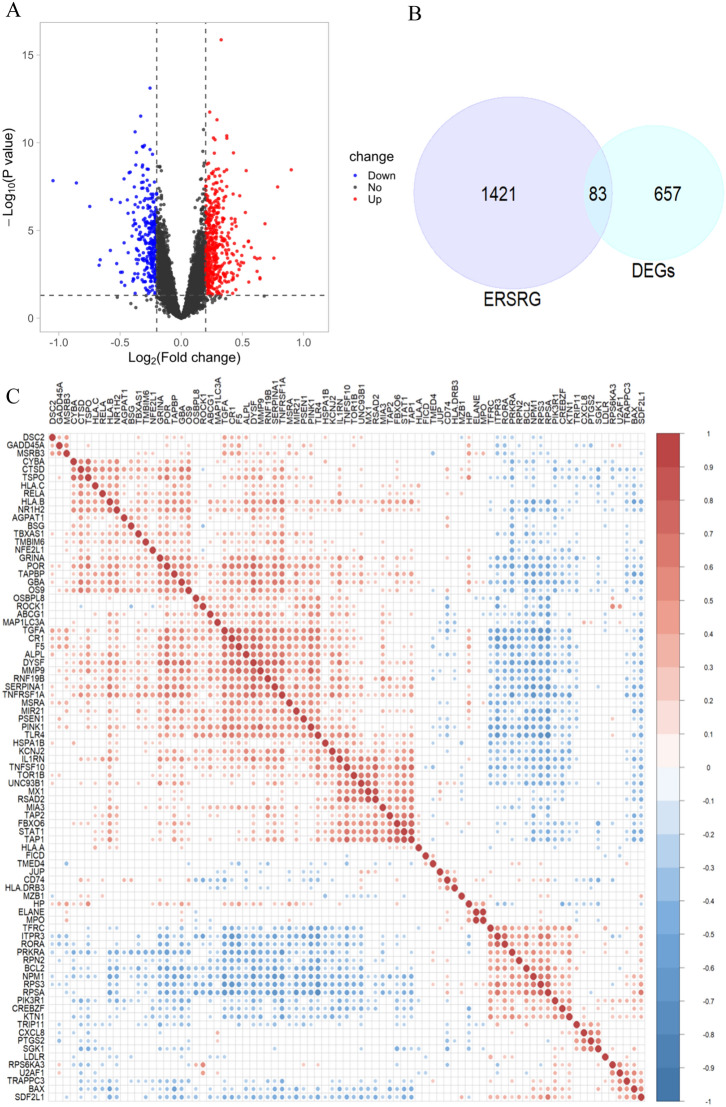
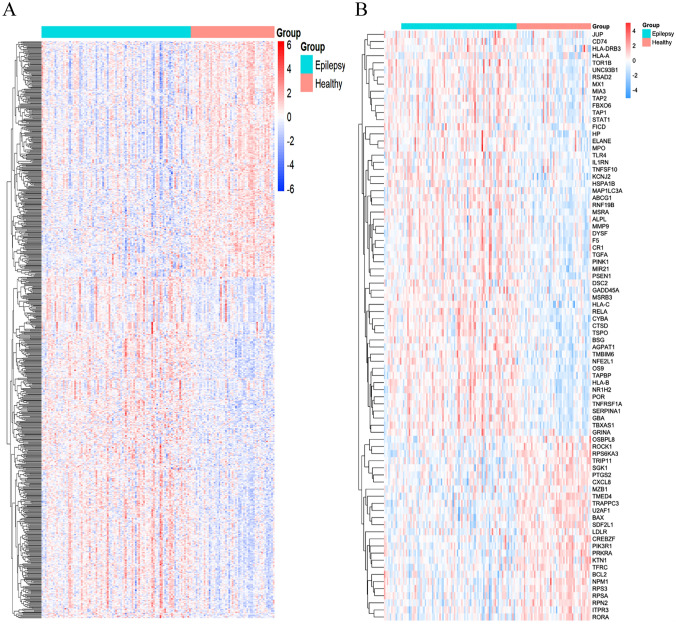
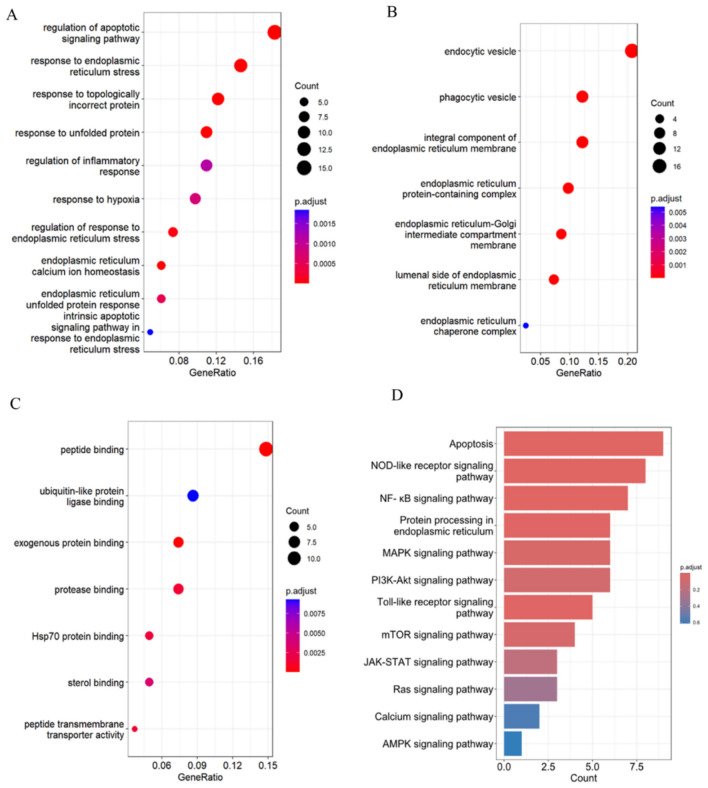
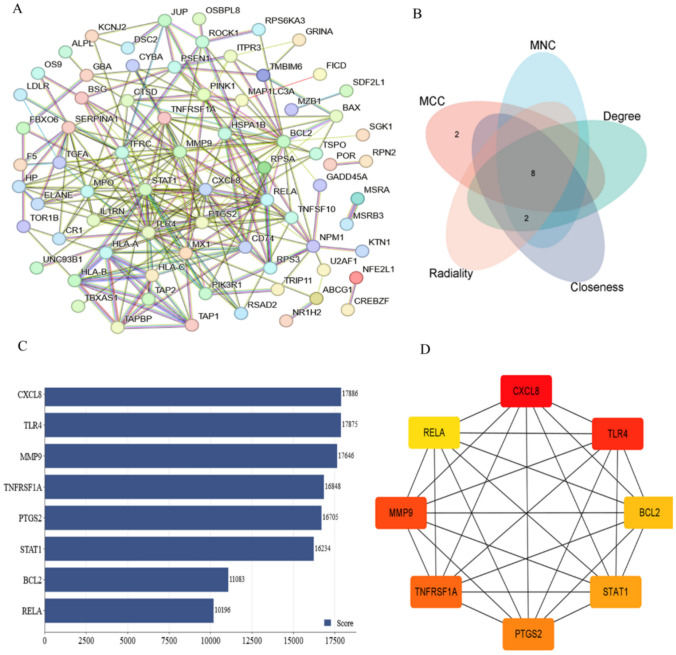
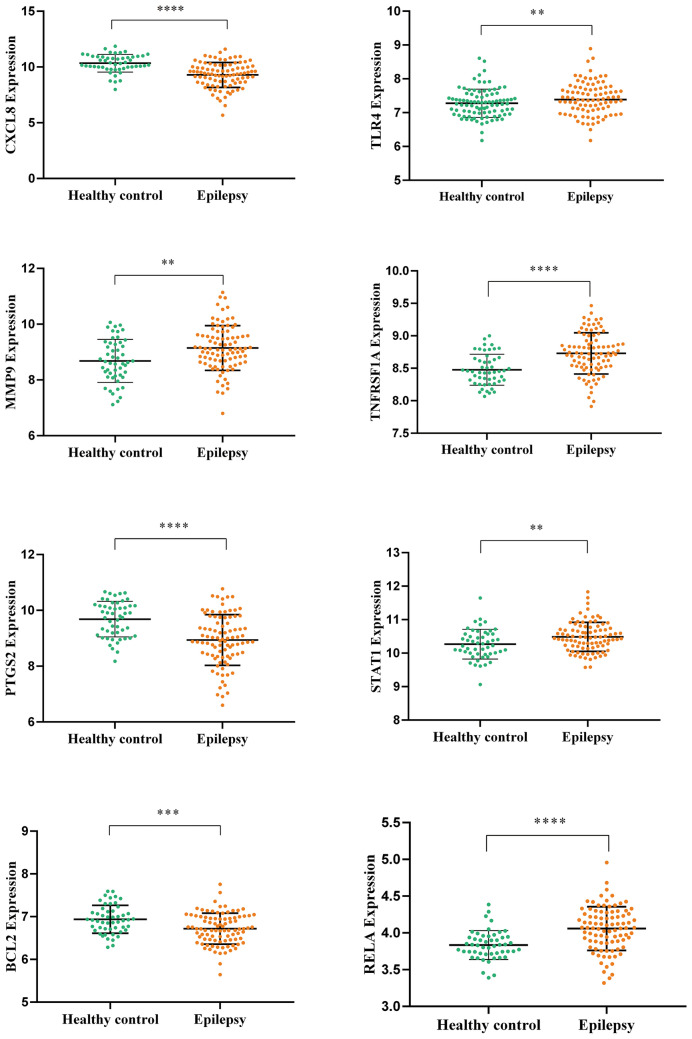
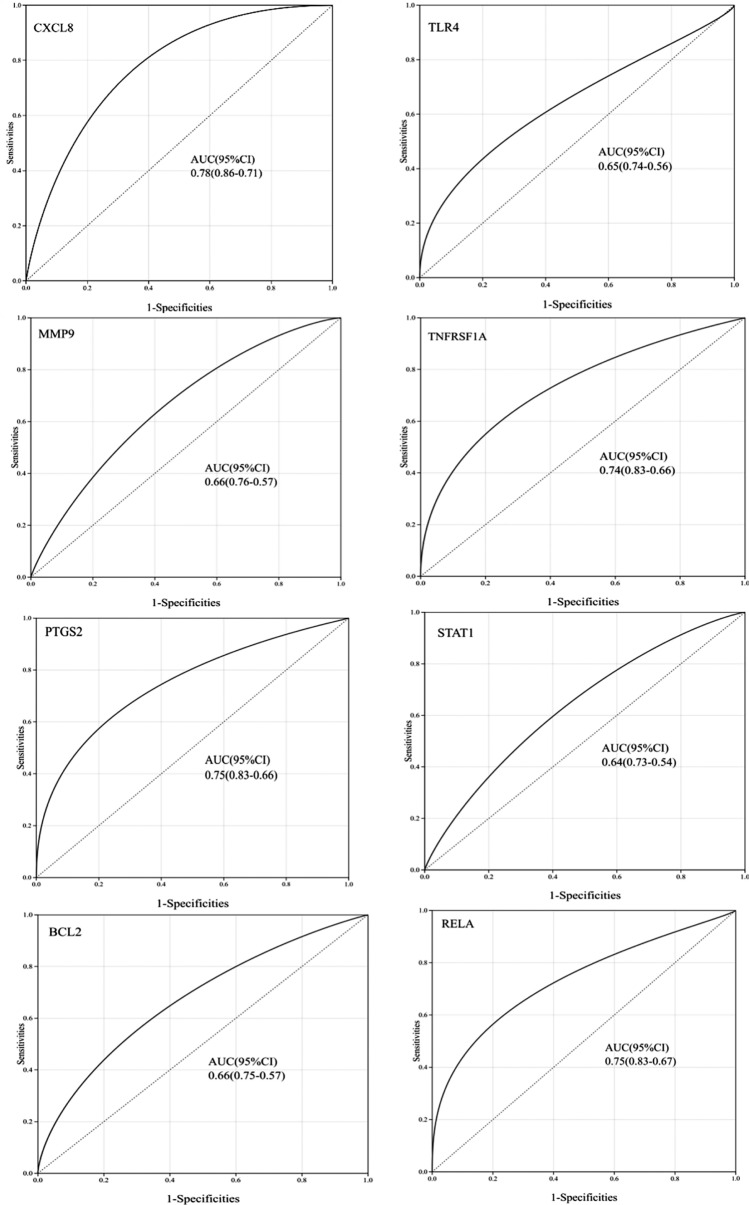
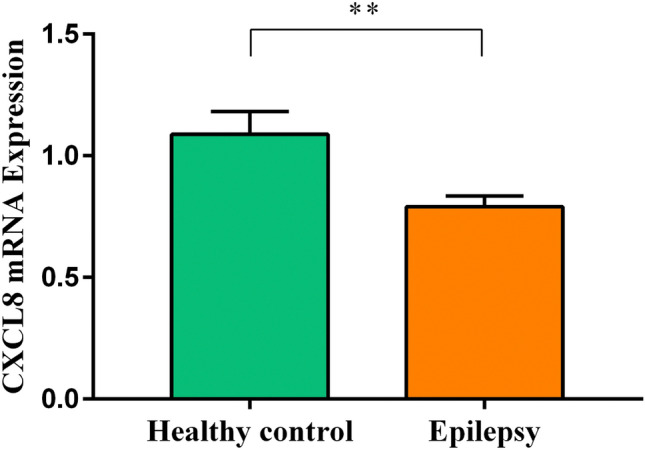
To investigate the relationship between Endoplasmic Reticulum Stress (ERS) and epilepsy, as well as their biological functions. We downloaded the GSE143272 dataset from the GEO database, identified differentially expressed genes (DEGs), and cross-analyzed them with ERS-related genes from GeneCards and the Molecular Signatures Database (MSigDB). Protein-protein interaction (PPI) networks were constructed, and Hub genes were screened. ROC curve analysis was conducted to assess the diagnostic utility of these genes, followed by qRT-PCR validation. This study identified a total of 83 ERS-related DEGs in epilepsy. PPI network analysis revealed eight feature genes: C-X-C motif chemokine ligand 8 (CXCL8), Toll-like receptor 4 (TLR4), Matrix metalloproteinase 9 (MMP9), Tumor necrosis factor receptor superfamily member 1A (TNFRSF1A), Prostaglandin-endoperoxide synthase 2 (PTGS2), Signal transducer and activator of transcription 1 (STAT1), B-cell lymphoma 2 (BCL2), and RELA proto-oncogene, NF-κB subunit (RELA). ROC curve analysis demonstrated that the combination of these eight feature genes exhibited the highest diagnostic potential. Among them, CXCL8 was the most valuable gene. qRT-PCR analysis showed that CXCL8 mRNA expression was significantly lower in the case group compared to the control group (P < 0.01). The results suggest that ERS is involved in physiological processes such as inflammation and neuronal apoptosis in epilepsy. This provides a bioinformatics evidence for exploring the biological functions and pathology of ERS in epilepsy, as well as serving as a reference for clinical diagnosis and potential therapeutic targets.
Keywords: Bioinformatics; DEGs; Endoplasmic reticulum stress; Epilepsy.
© 2025. The Author(s).
Conflict of interest statement
Declarations. Conflict of interest: The authors have no relevant financial or non-financial interests to disclose. Ethical Approval: Approval was obtained from the ethics committee of The Second Affiliated Hospital of Harbin Medical University (Ethics approval number: YJSKY2022-241). The procedures used in this study adhere to the tenets of the Declaration of Helsinki. Consent to Participate: Informed consent was obtained from all individual participants or their parents included in the study. Consent to Publication: The authors affirm that human research participants provided informed consent for publication of the images in Fig. 8.
Figures
References
MeSH terms
Substances
Grants and funding
LinkOut - more resources
Full Text Sources
Medical
Research Materials
Miscellaneous
