


Performance of machine learning models for predicting high-severity symptoms in multiple sclerosis
- PMID: 40414922
- PMCID: PMC12104369
- DOI: 10.1038/s41598-024-63888-x
Performance of machine learning models for predicting high-severity symptoms in multiple sclerosis
Abstract
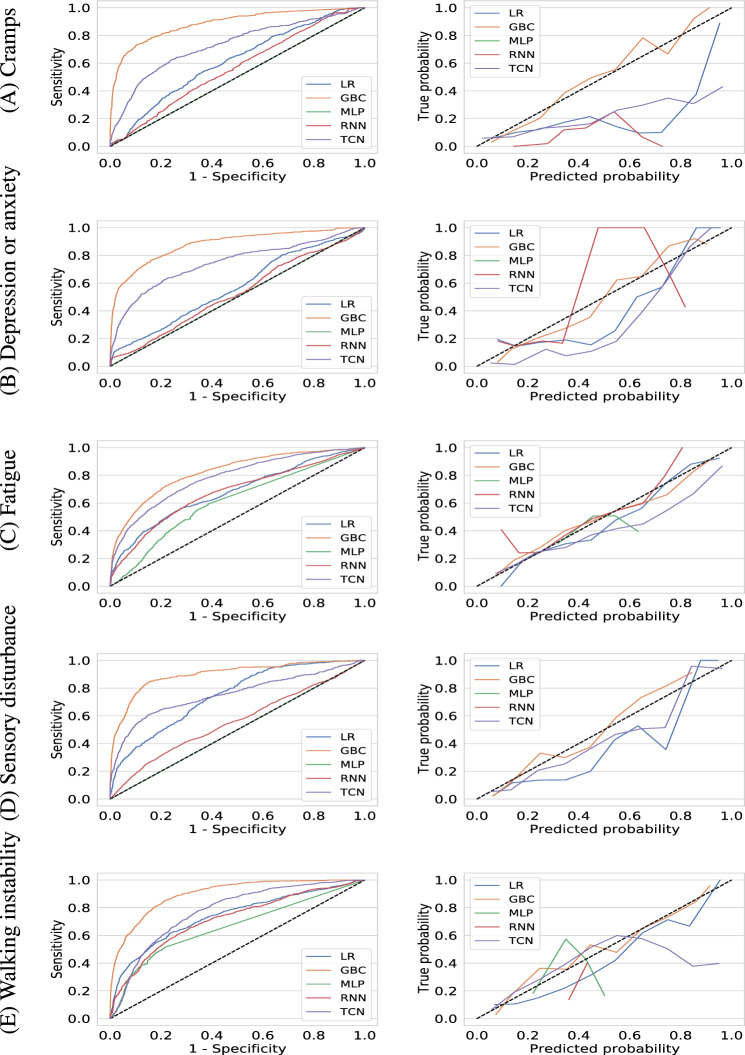
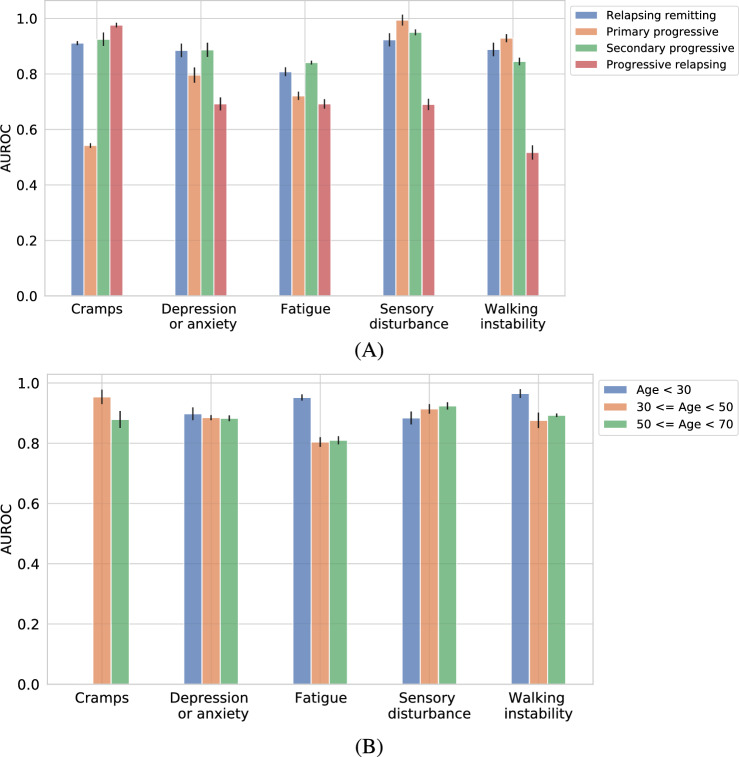
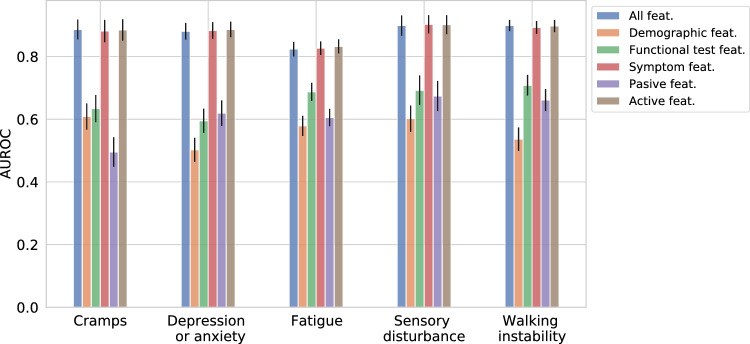
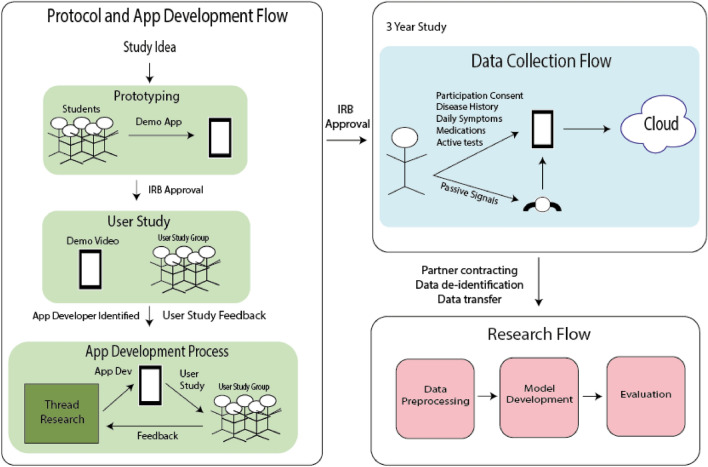
Current care in multiple sclerosis (MS) primarily relies on infrequently obtained data such as magnetic resonance imaging, clinical laboratory tests or clinical history, resulting in subtle changes that may occur between visits being missed. Mobile technology enables continual collection of data and can pave the path for predicting complex aspects of MS such as symptoms and disease courses. To this end, we conducted a first-of-its-kind observational study called MS Mosaic. First, we developed and publicly launched a mobile app for collecting longitudinal data from MS subjects in the United States. Second, we ran the study across 3 years in order to capture complex patterns for this slow progressing disease. Finally, we retrospectively developed three classical ML methods and two deep learning models to accurately and continually predict the incidence of five high-severity symptoms (fatigue, sensory disturbance, walking instability, depression or anxiety and cramps/spasms) three months in advance.
© 2025. The Author(s).
Conflict of interest statement
Competing interests: The authors declare no competing interests.
Figures
References
-
- Monteiro, M. et al. Multiclass semantic segmentation and quantification of traumatic brain injury lesions on head CT using deep learning: An algorithm development and multicentre validation study. Lancet Digit. Health2(6), e314–e322. 10.1016/S2589-7500(20)30085-6 (2020). - PubMed
-
- Saba, L. et al. The present and future of deep learning in radiology. Eur. J. Radiol.114, 14–24. 10.1016/j.ejrad.2019.02.038 (2019). - PubMed
Publication types
MeSH terms
LinkOut - more resources
Full Text Sources
Medical
Miscellaneous
