


Targeting of the IL-33/Wnt axis restricts breast cancer stemness and metastasis
- PMID: 40414980
- PMCID: PMC12104483
- DOI: 10.1038/s41598-025-03260-9
Targeting of the IL-33/Wnt axis restricts breast cancer stemness and metastasis
Abstract
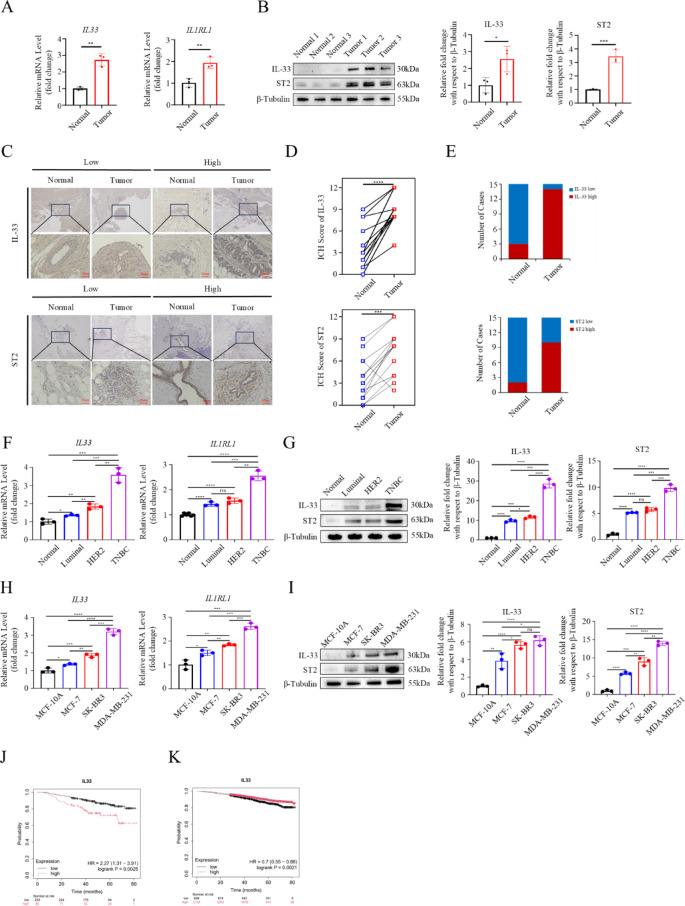
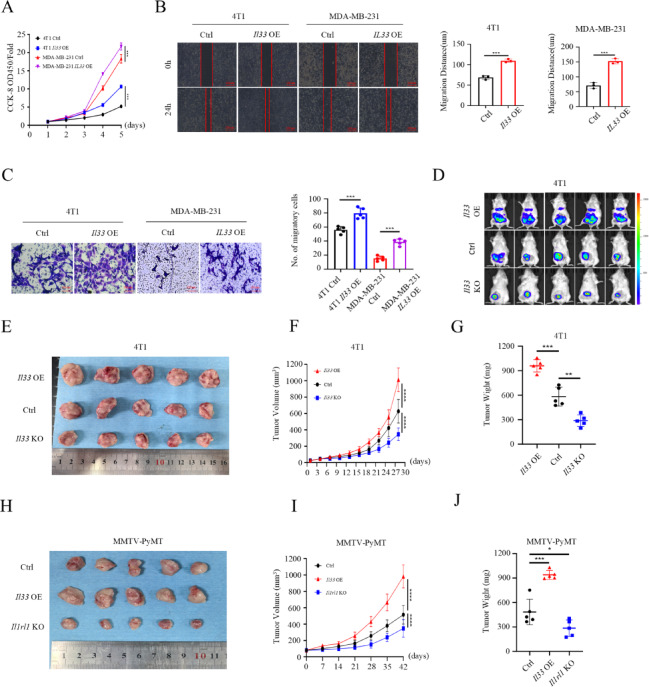
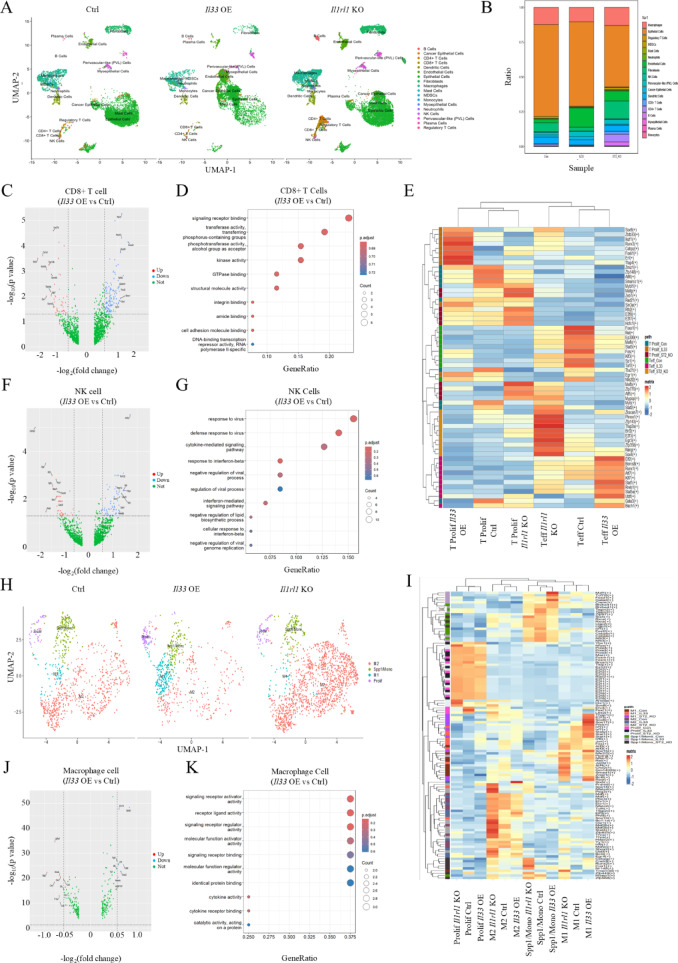
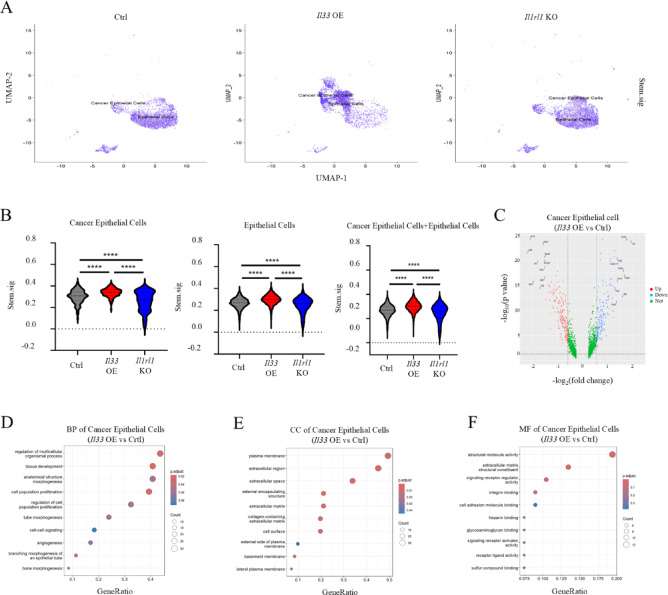
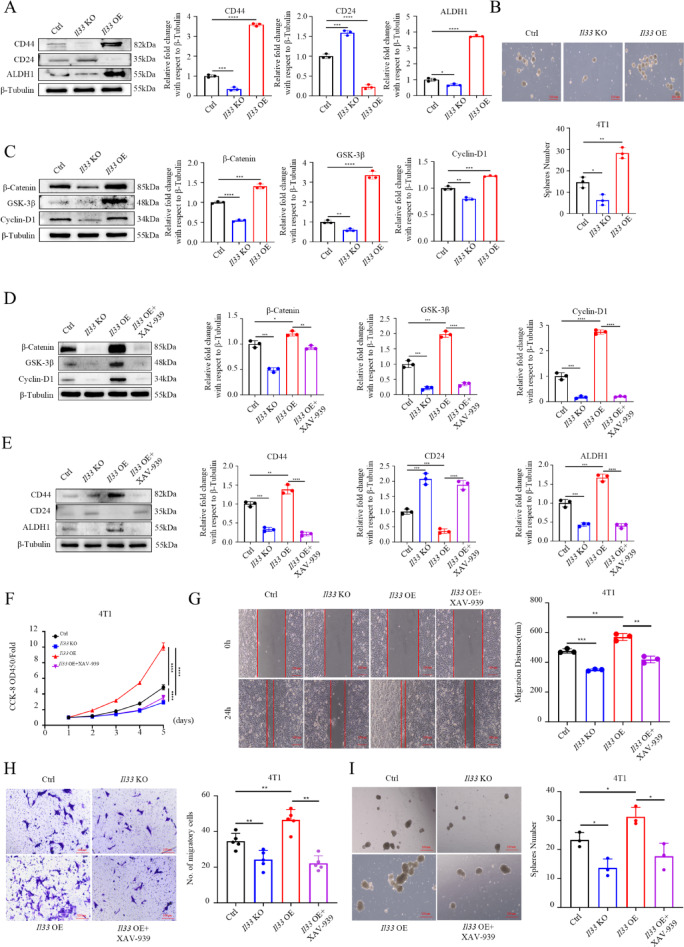
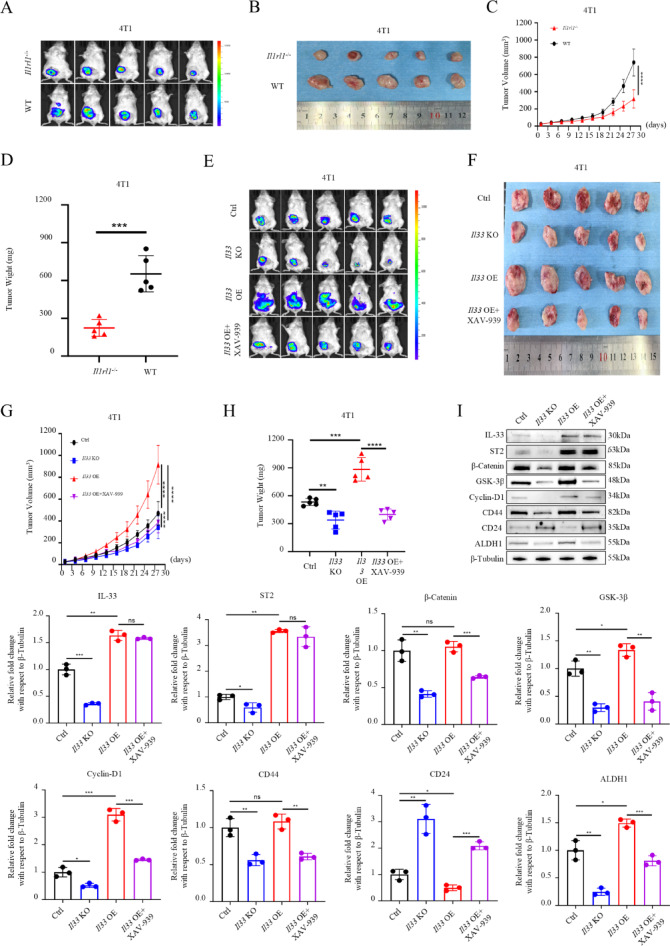
Interleukin-33 (IL-33) plays multifaceted roles in tumor progression, but its autocrine regulation of breast cancer stemness and metastasis via the Wnt pathway remains unclear. Here, we investigated the IL-33/ST2 axis in breast cancer using CRISPR/Cas9, single-cell RNA sequencing, and murine models (orthotopic 4T1 and spontaneous MMTV-PyMT). Elevated IL-33 levels correlated with aggressive subtypes and poor prognosis. IL-33 overexpression enhanced proliferation, migration, and cancer stem cell (CSC) marker expression (CD44, ALDH1) in 4T1 and MDA-MB-231 cells, whereas ST2 knockdown via CRISPR or adeno-associated virus (AAV) attenuated tumor growth and metastasis in vivo, reducing CSC frequency. Mechanistically, IL-33 activated Wnt/β-catenin signaling to promote stemness, which was reversed by the Wnt inhibitor XAV-939. Single-cell analysis revealed that IL-33 overexpression skewed the immune microenvironment toward immunosuppression, while ST2 knockdown restored antitumor immunity. Our findings establish an IL-33-Wnt axis as a critical driver of breast cancer aggressiveness and propose AAV-mediated ST2 silencing as a novel therapeutic strategy. Targeting this axis may offer dual benefits by suppressing stemness and enhancing immune surveillance, warranting clinical exploration for advanced breast cancer.
Keywords: Breast cancer stem cells; IL-33; Immunotherapy; ST2 knockdown; Wnt pathway.
© 2025. The Author(s).
Conflict of interest statement
Declarations. Competing interests: The authors declare no competing interests.
Figures
References
MeSH terms
Substances
Grants and funding
LinkOut - more resources
Full Text Sources
Medical
Miscellaneous
