


Global Burden of Kidney Cancer Attributable to High Body Mass Index in Adults Aged 60 and Older from 1990 to 2021 and Projections to 2040: A Systematic Analysis for the Global Burden of Disease Study
- PMID: 40417134
- PMCID: PMC12103881
- DOI: 10.2147/CLEP.S521272
Global Burden of Kidney Cancer Attributable to High Body Mass Index in Adults Aged 60 and Older from 1990 to 2021 and Projections to 2040: A Systematic Analysis for the Global Burden of Disease Study
Abstract
Background: With global aging, cancer burden rises. Kidney cancer is significantly influenced by high body mass index (BMI), especially in the elderly. This study analyzes the burden of kidney cancer attributable to high BMI in those aged ≥60, clarifying causes and future trends.
Methods: Using Global Burden of Disease (GBD) 2021 study, we assessed kidney cancer burden due to high BMI in population aged ≥60 from 1990 to 2021, comparing deaths, disability-adjusted life years (DALYs), age-standardized rate (ASR) of DALYs (ASDR), and mortality (ASMR). Stratified by Socio-Demographic Index (SDI), region, sex, and age, we evaluated spatiotemporal trends and inequalities. Finally, the Bayesian Age-Period-Cohort (BAPC) model predicted burden changes through 2040.
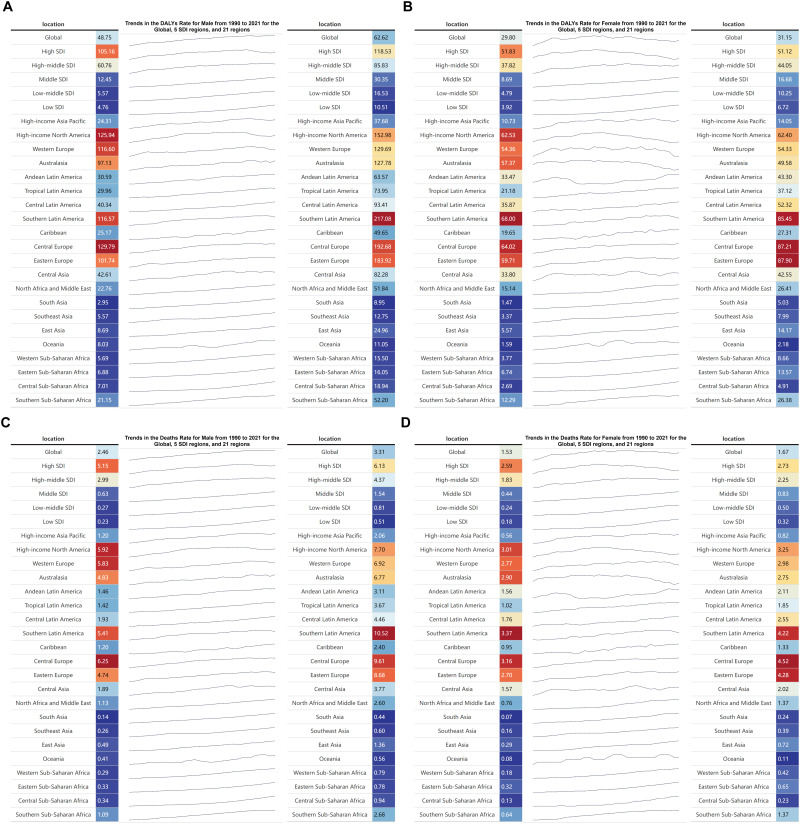
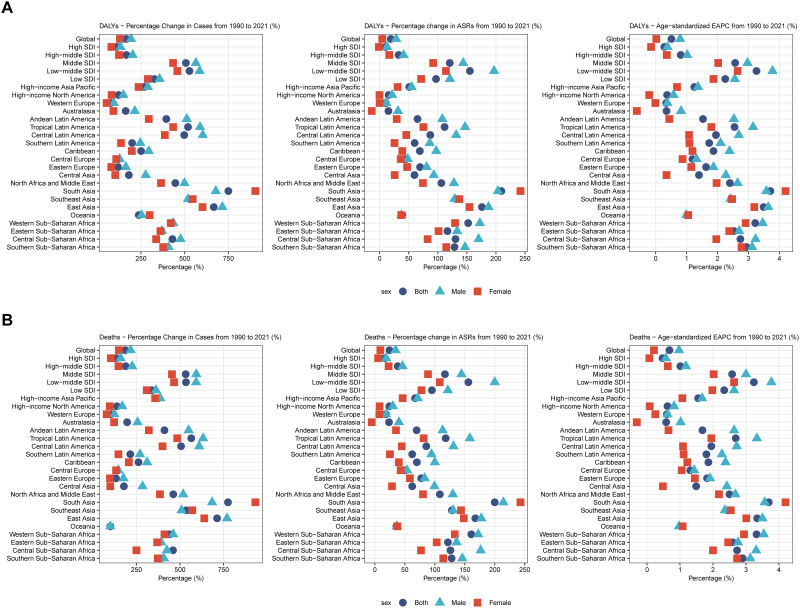
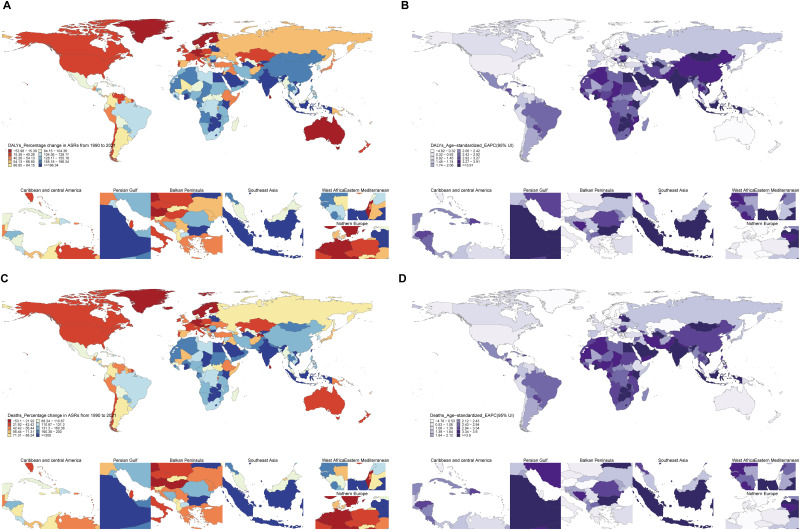
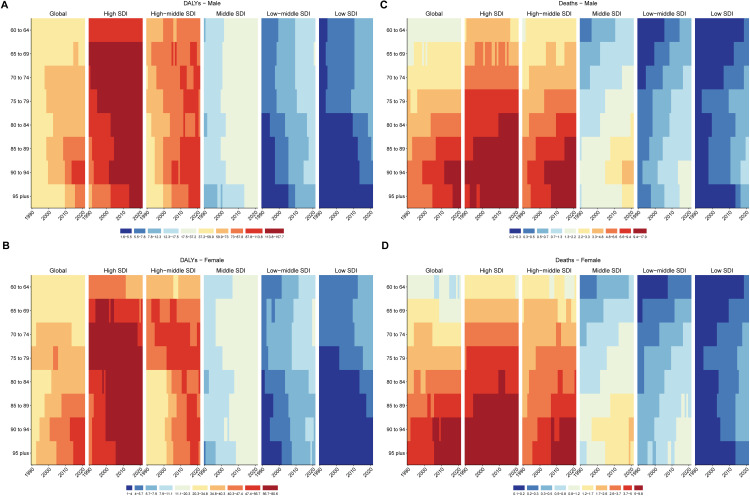
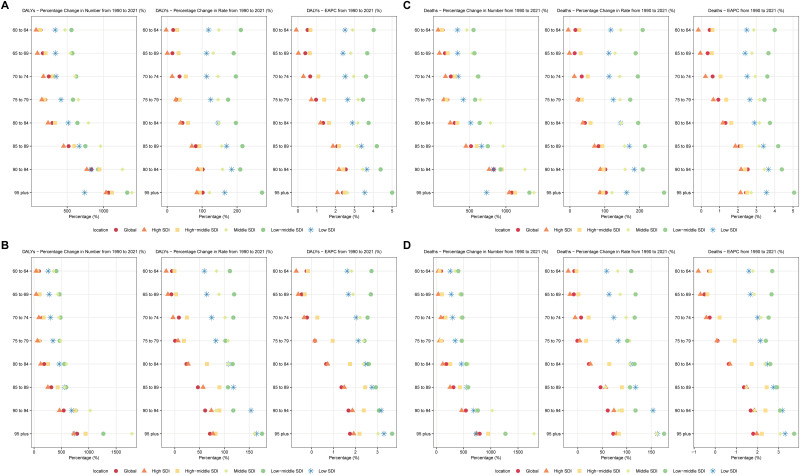
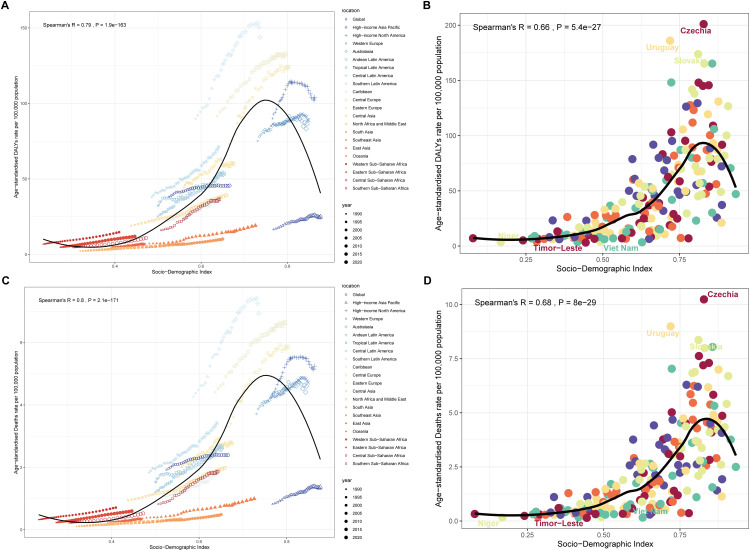
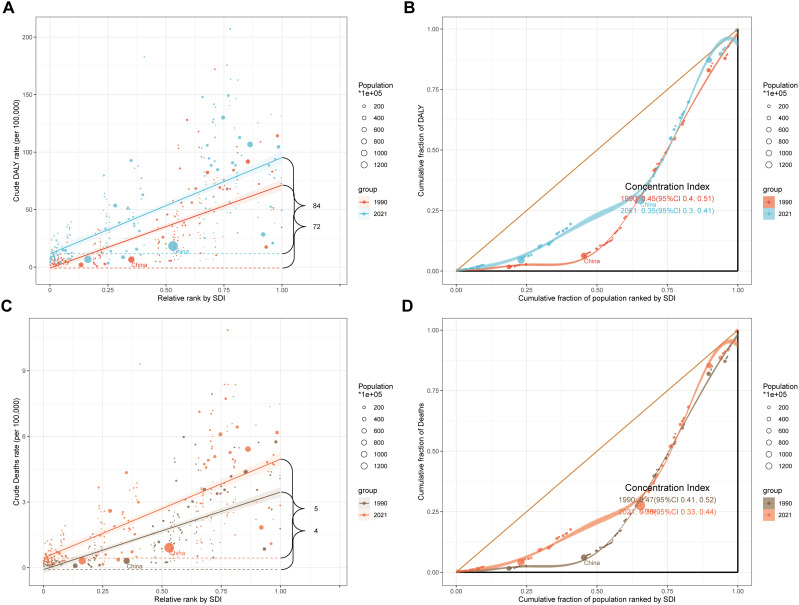
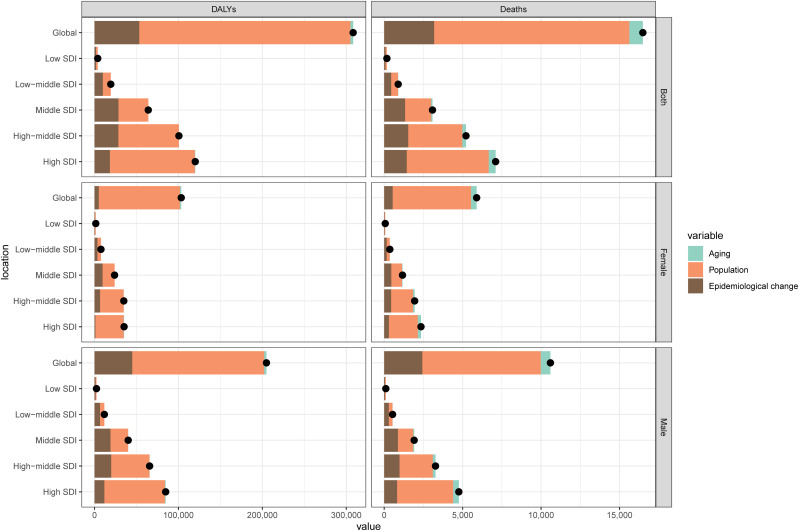
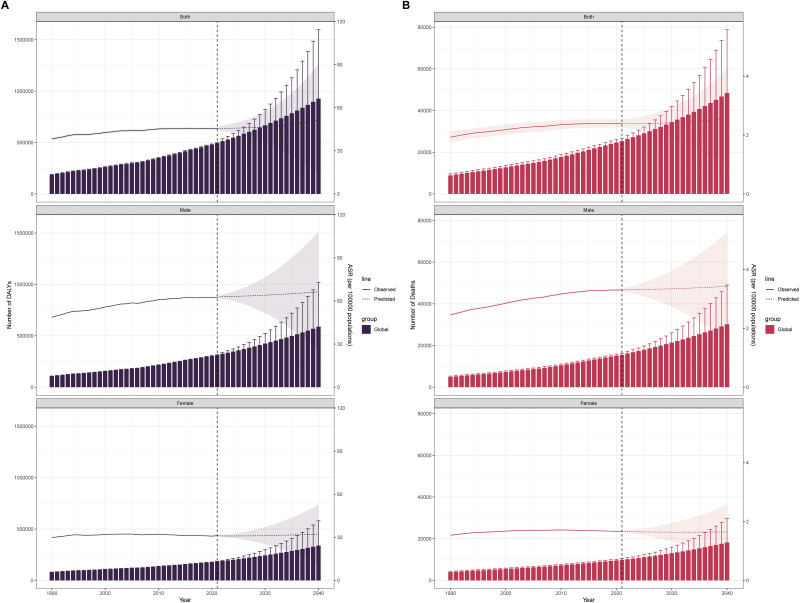
Results: From 1990 to 2021, DALYs and deaths from high BMI-induced kidney cancer in those aged ≥60 increased by 165.82% and 186.39%, driven by population growth. In 2021, ASDR was 45.55/100,000 and ASMR 2.39/100,000. Regional differences were significant. DALYs and deaths expanded, especially in those aged ≥95. Males had higher burden than females. SDI correlated positively with ASDR and ASMR (r>0, P<0.05). Health inequalities continue to rise. By 2040, burden is projected to rise, especially in low-middle and low SDI regions, more in males.
Conclusion: This study shows a significant increase in kidney cancer burden due to high BMI in those aged ≥60 over 32 years, driven by population growth. Disparities across regions, genders, and age groups highlight the need for targeted prevention and early intervention, especially for high-risk groups (males, elderly, low-middle SDI regions), to reduce burden and optimize healthcare resource allocation.
Keywords: SDI; elderly; gender differences; high BMI; kidney cancer; trend projection.
© 2025 Lin et al.
Conflict of interest statement
The authors declare no competing interests.
Figures
References
-
- Vasudev NS, Wilson M, Stewart GD, et al. Challenges of early renal cancer detection: symptom patterns and incidental diagnosis rate in a multicentre prospective UK cohort of patients presenting with suspected renal cancer. BMJ Open. 2020;10(5):e35938. doi: 10.1136/bmjopen-2019-035938 - DOI - PMC - PubMed
LinkOut - more resources
Full Text Sources
