


Ethical and social considerations of applying artificial intelligence in healthcare-a two-pronged scoping review
- PMID: 40420080
- PMCID: PMC12107984
- DOI: 10.1186/s12910-025-01198-1
Ethical and social considerations of applying artificial intelligence in healthcare-a two-pronged scoping review
Abstract
Background: Artificial Intelligence (AI) is being designed, tested, and in many cases actively employed in almost every aspect of healthcare from primary care to public health. It is by now well established that any application of AI carries an attendant responsibility to consider the ethical and societal aspects of its development, deployment and impact. However, in the rapidly developing field of AI, developments such as machine learning, neural networks, generative AI, and large language models have the potential to raise new and distinct ethical and social issues compared to, for example, automated data processing or more 'basic' algorithms.
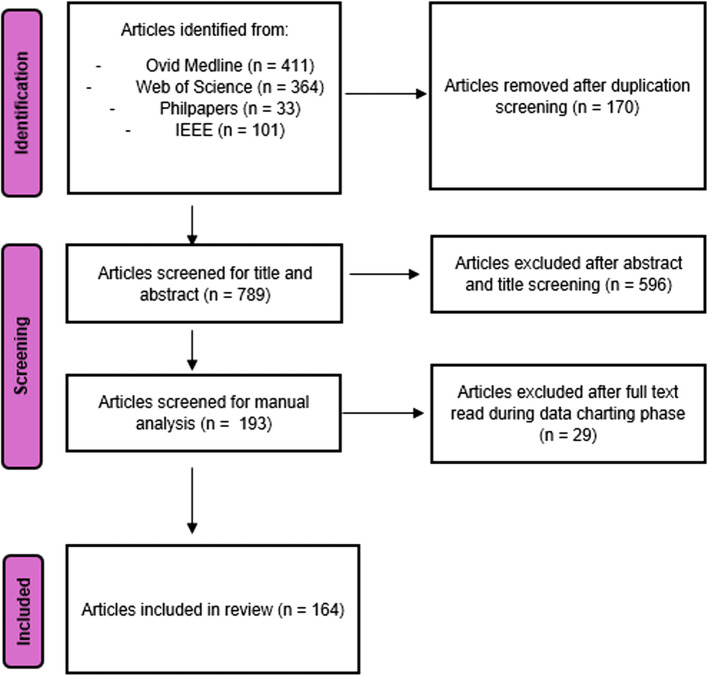
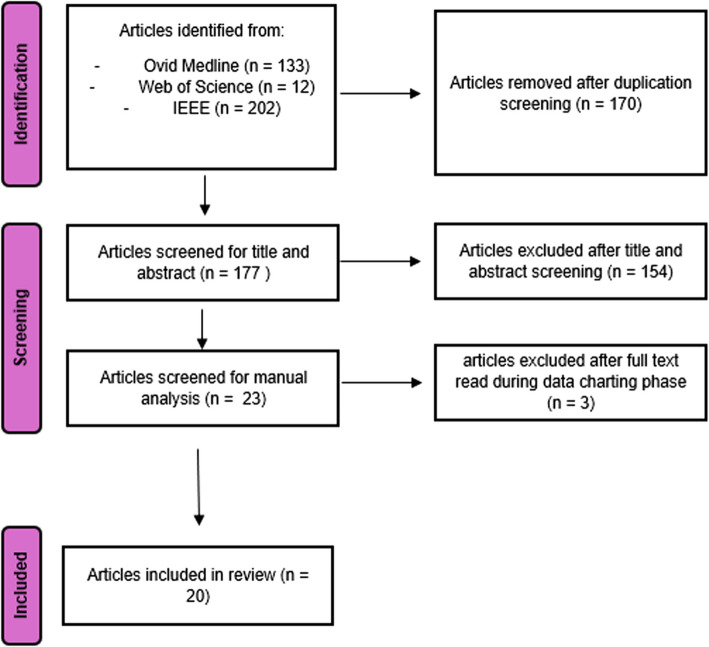
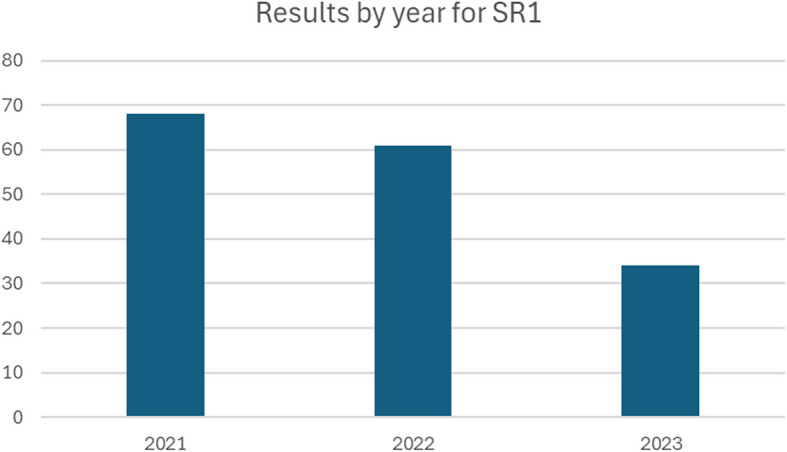
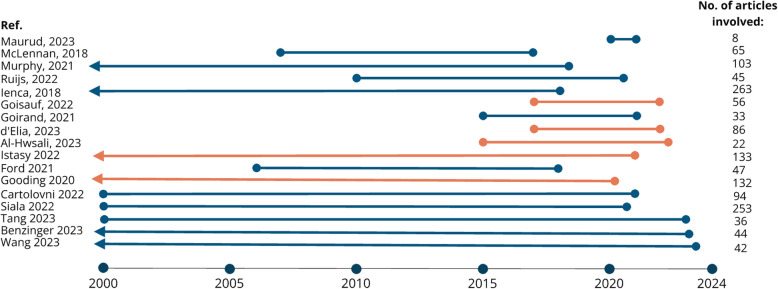
Methods: This article presents a scoping review of the ethical and social issues pertaining to AI in healthcare, with a novel two-pronged design. One strand of the review (SR1) consists of a broad review of the academic literature restricted to a recent timeframe (2021-23), to better capture up to date developments and debates. The second strand (SR2) consists of a narrow review, limited to prior systematic and scoping reviews on the ethics of AI in healthcare, but extended over a longer timeframe (2014-2024) to capture longstanding and recurring themes and issues in the debate. This strategy provides a practical way to deal with an increasingly voluminous literature on the ethics of AI in healthcare in a way that accounts for both the depth and evolution of the literature.
Results: SR1 captures the heterogeneity of audience, medical fields, and ethical and societal themes (and their tradeoffs) raised by AI systems. SR2 provides a comprehensive picture of the way scoping reviews on ethical and societal issues in AI in healthcare have been conceptualized, as well as the trends and gaps identified.
Conclusion: Our analysis shows that the typical approach to ethical issues in AI, which is based on the appeal to general principles, becomes increasingly unlikely to do justice to the nuances and specificities of the ethical and societal issues raised by AI in healthcare, as the technology moves from abstract debate and discussion to real world situated applications and concerns in healthcare settings.
Keywords: Artificial intelligence; Healthcare; Medicine; Scoping review.
© 2025. The Author(s).
Conflict of interest statement
Declarations. Ethics approval and consent to participate: Not applicable. Consent for publication: ER, MM, and IJ consent for this publication. Competing interests: IJ is a Board of Trustee at the European Patient Academy of Therapeutic Innovation (EUPATI) Foundation. Otherwise, all authors declare that they have no competing interests, whether financial, personal, or otherwise relevant to the content or choice of journal for this manuscript.
Figures
References
-
- Al-Hwsali A, et al. Scoping review: legal and ethical principles of artificial intelligence in public health. Stud Health Technol Inform. 2023;305:640–3. - PubMed
-
- Aquino YS, Carter SM, Houssami N, Braunack-Mayer A, Win KT, Degeling C, et al. Practical, epistemic and normative implications of algorithmic bias in healthcare artificial intelligence: a qualitative study of multidisciplinary expert perspectives. J Med Ethics. Published Online First: 23 February 2023. 10.1136/jme-2022-108850. - PMC - PubMed
-
- Arksey H, O’Malley L. Scoping studies: Towards a methodological framework. International Journal of Social Research Methodology: Theory and Practice. 2005;8(1):19–32. 10.1080/1364557032000119616. - DOI
-
- Benefo EO, Tingler A, White M, et al. Ethical, legal, social, and economic (ELSE) implications of artificial intelligence at a global level: a scientometrics approach. AI Ethics. 2022;2:667–82. 10.1007/s43681-021-00124-6. - DOI
Publication types
MeSH terms
LinkOut - more resources
Full Text Sources
Medical
