


Socioculturally Appropriate Internet-Based Geriatric Care Model for Older Adults Living With HIV: Experience-Based Co-Design Approach
- PMID: 40424610
- PMCID: PMC12152441
- DOI: 10.2196/67122
Socioculturally Appropriate Internet-Based Geriatric Care Model for Older Adults Living With HIV: Experience-Based Co-Design Approach
Abstract
Background: Older adults living with HIV face challenges accessing regular geriatric care, and while virtual care services could offer a solution, they may come with limitations.
Objective: This study aimed to co-design a culturally appropriate virtual care model tailored to older adults' needs using the experience-based co-design methodology.
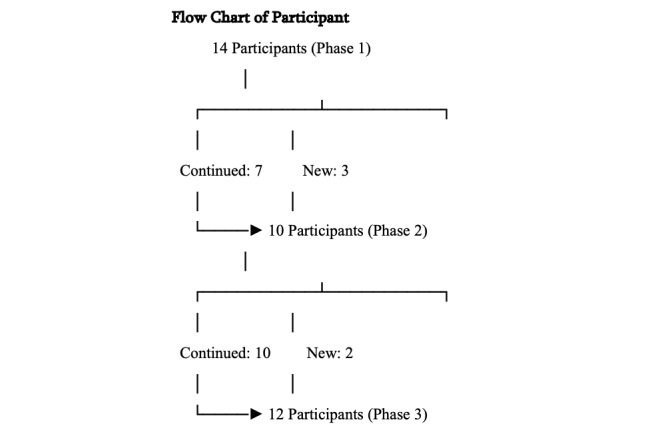
Methods: We used a qualitative, experience-based co-design approach with 19 older adults living with HIV. The process involved 3 phases: identifying needs through interviews and questionnaires, codeveloping a care model prototype through focus groups and a workshop, and refining the model using feedback from a world café format. Data were analyzed using thematic content analysis.
Results: The co-design process led to a virtual care model prototype that directly addressed participants' key needs. These included personalized communication methods, simplified technology interfaces for easier access, and culturally responsive care practices. Participants emphasized the importance of privacy in virtual consultations, flexible scheduling to accommodate health fluctuations, and ongoing support for managing both HIV and aging-related conditions. Their feedback shaped a model designed to bridge service gaps, offering a more inclusive, accessible, and patient-centered approach to virtual geriatric care.
Conclusions: This study co-designed a potential virtual geriatric care model grounded in the experiences of older adults living with HIV. By integrating participants' insights throughout the design process, the model offers a promising approach to improving care for this vulnerable population. Future directions for research to test this model are proposed.
Keywords: HIV; co-design; older adults; qualitative research; virtual care.
©Kristina M Kokorelias, Marina B Wasilewski, Dean Valentine, Andrew D Eaton, Erica Dove, Paige Brown, Stuart McKinlay, Christine L Sheppard, Esther Su, Hardeep K Singh, Ashley Flanagan, Alice Zhabokritsky, Reham Abdelhalim, Rabea Parpia, Rahel Zewude, Laura Jamieson, Sharon Walmsley, Luxey Sirisegaram. Originally published in JMIR Aging (https://aging.jmir.org), 27.05.2025.
Conflict of interest statement
Conflicts of Interest: KMK is an Associate Editor for JMIR Rehabilitation and Assistive Technologies.
References
-
- He W, Kinsella K. Global aging in the new millennium. In: Sokolovsky J, editor. The Cultural Context of Aging: Worldwide Perspectives. Westport, CT: Praeger/ABC-CLIO; 2020. pp. 27–46.
-
- Autenrieth CS, Beck EJ, Stelzle D, Mallouris C, Mahy M, Ghys P. Global and regional trends of people living with HIV aged 50 and over: estimates and projections for 2000-2020. PLoS One. 2018 Nov 29;13(11):e0207005. doi: 10.1371/journal.pone.0207005. https://dx.plos.org/10.1371/journal.pone.0207005 PONE-D-18-19731 - DOI - PMC - PubMed
-
- Sapuła M, Suchacz M, Załęski A, Wiercińska-Drapało A. Impact of combined antiretroviral therapy on metabolic syndrome components in adult people living with HIV: a literature review. Viruses. 2022 Jan 11;14(1):122. doi: 10.3390/v14010122. https://www.mdpi.com/resolver?pii=v14010122 v14010122 - DOI - PMC - PubMed
-
- Grosso TM, Hernández-Sánchez D, Dragovic G, Vasylyev M, Saumoy M, Blanco JR, García D, Koval T, Loste C, Westerhof T, Clotet B, Sued O, Cahn P, Negredo E. Identifying the needs of older people living with HIV (≥ 50 years old) from multiple centres over the world: a descriptive analysis. AIDS Res Ther. 2023 Feb 12;20(1):10. doi: 10.1186/s12981-022-00488-7. https://aidsrestherapy.biomedcentral.com/articles/10.1186/s12981-022-004... 10.1186/s12981-022-00488-7 - DOI - PMC - PubMed
MeSH terms
LinkOut - more resources
Full Text Sources
Medical
