


Endothelial-Mesenchymal Transition and Possible Role of Cytokines in Streptozotocin-Induced Diabetic Heart
- PMID: 40426976
- PMCID: PMC12109261
- DOI: 10.3390/biomedicines13051148
Endothelial-Mesenchymal Transition and Possible Role of Cytokines in Streptozotocin-Induced Diabetic Heart
Abstract
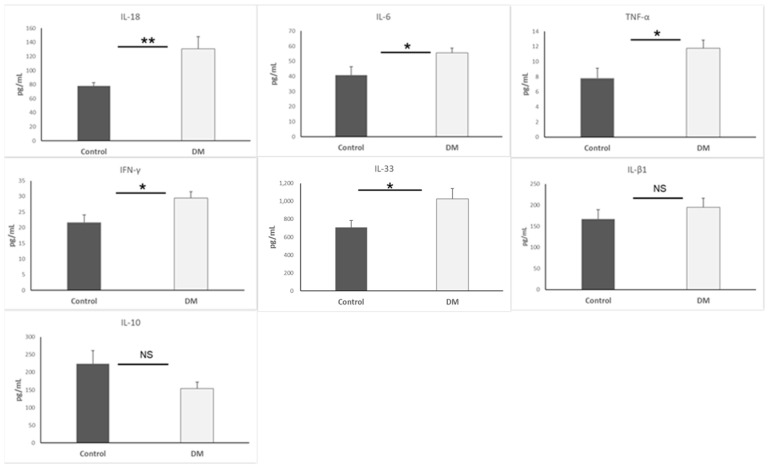
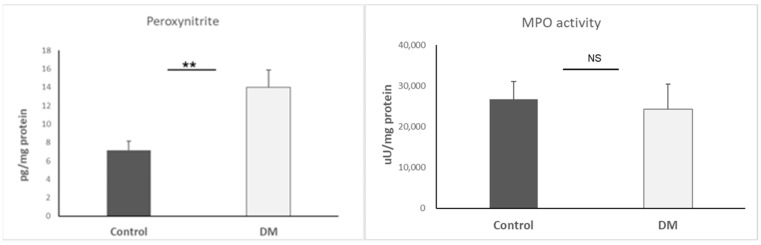
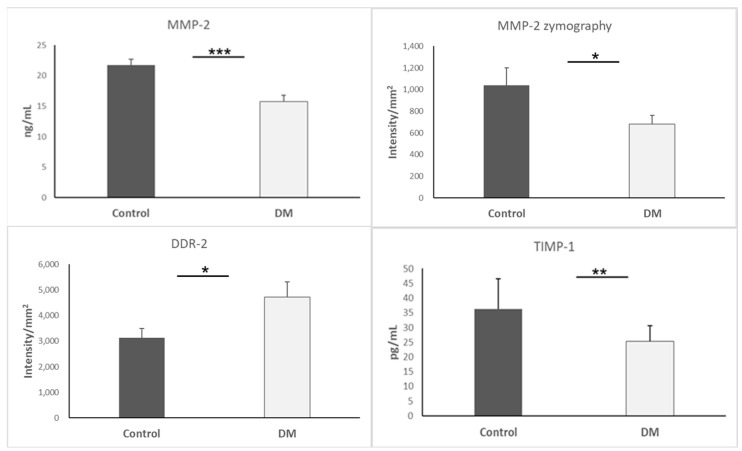
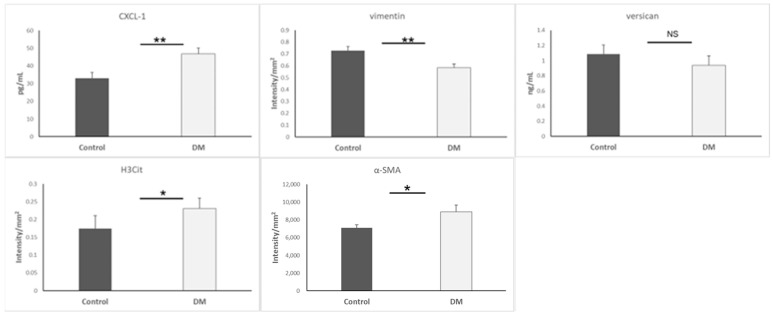
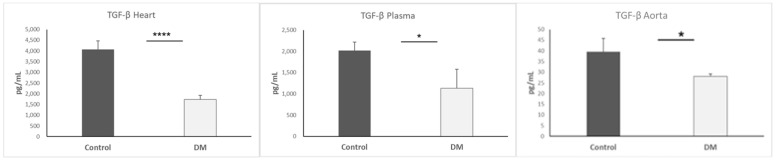
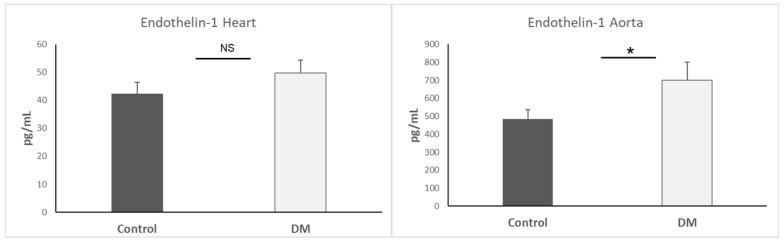
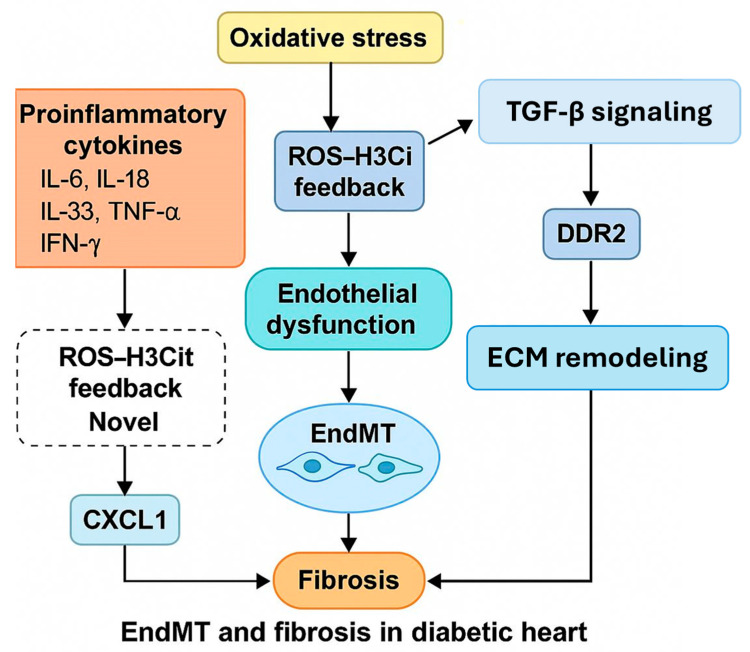
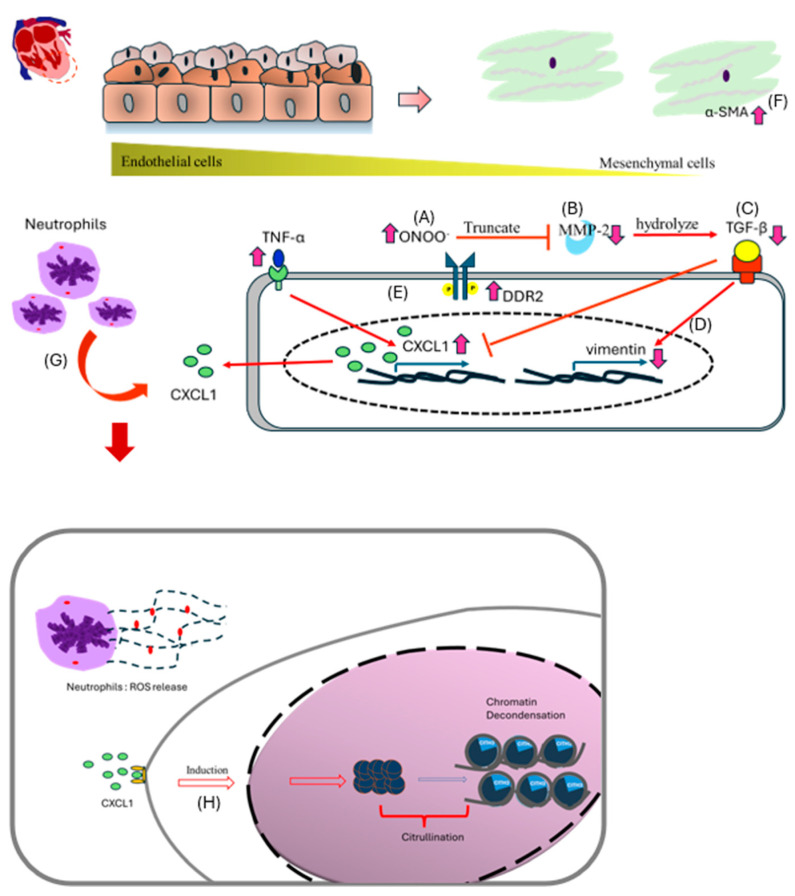
Background: Although endothelial mesenchymal transition (EndMT) has been characterized as a basic process in embryogenesis, EndMT is the mechanism that accelerates the development of cardiovascular diseases, including heart failure, aging, and complications of diabetes or hypertension as well. Endothelial cells lose their distinct markers and take on a mesenchymal phenotype during EndMT, expressing distinct products. Methods: In this study, type 1 Diabetes mellitus (T1DM) was induced in rats with streptozotocin (STZ) by intraperitoneal injection at a 60 mg/kg dose. Diabetic rats were randomly divided into two groups, namely, control and diabetic rats, for 4 weeks. Heart, aorta, and plasma samples were collected at the end of 4 weeks. Sequentially, biochemical parameters, cytokines, reactive oxygen species (ROS), protein expression of EndMT markers (Chemokine C-X-C motif ligand-1 (CXCL-1), vimentin, citrullinated histone H3 (H3Cit), α-smooth muscle actin (α-SMA), and transforming growth factor beta (TGF-β) and versican), components of the extracellular matrix (matrix metalloproteinase 2 (MMP-2), tissue inhibitor of metalloproteinase-1(TIMP-1), and discoidin domain tyrosine kinase receptor 2 (DDR-2)) were detected by ELISA or Western blot, respectively. Results: Cytokines and ROS were increased in diabetic hearts, which induced partial EndMT. Among EndMT markers, histone citrullination, α-SMA, and CXCL-1 were increased; vimentin was decreased in DM. The endothelial marker endothelin-1 was significantly higher in the aortas of DM rats. Interestingly, TGF-β showed a significant decrease in the diabetic heart, plasma, and aorta. Additionally, MMP-2/TIMP-1 levels also decreased in DM. Conclusions: To sum up, the identification of molecules and regulatory pathways involved in EndMT provided novel therapeutic approaches for cardiac pathophysiological conditions.
Keywords: Diabetic Heart; EndMT; STZ.
Conflict of interest statement
The authors declare no conflict of interest.
Figures
References
-
- Delgado-Valero B., de la Fuente-Chávez L., Romero-Miranda A., Visitación Bartolomé M., Ramchandani B., Islas F., Luaces M., Cachofeiro V., Martínez-Martínez E. Role of Endoplasmic Reticulum Stress in Renal Damage after Myocardial Infarction. Clin. Sci. 2021;135:143–159. doi: 10.1042/CS20201137. - DOI - PubMed
LinkOut - more resources
Full Text Sources
Research Materials
Miscellaneous
