


Characterization of Biocalcium Microparticles from Saltwater Crocodile (Crocodylus porosus) Bone and Their Potential for Enhancing Fish Bologna Quality
- PMID: 40428512
- PMCID: PMC12111528
- DOI: 10.3390/foods14101732
Characterization of Biocalcium Microparticles from Saltwater Crocodile (Crocodylus porosus) Bone and Their Potential for Enhancing Fish Bologna Quality
Abstract
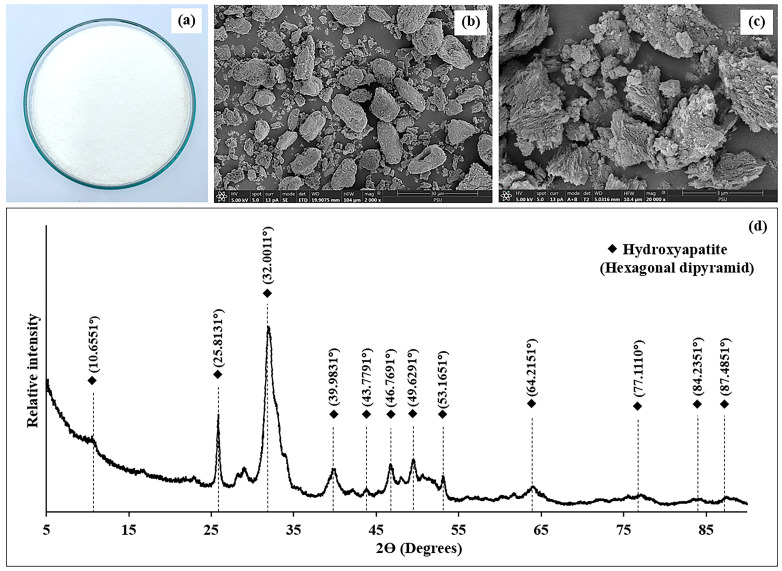
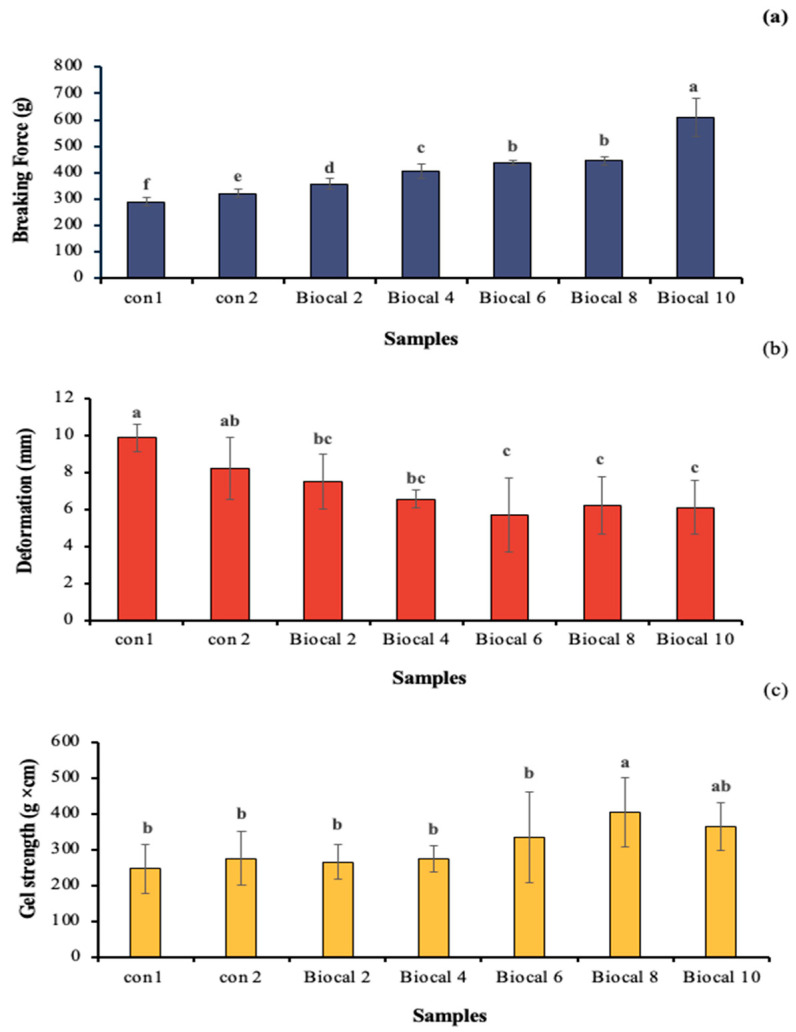
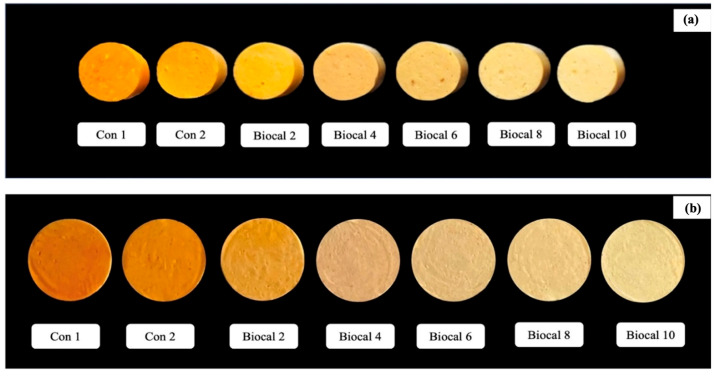
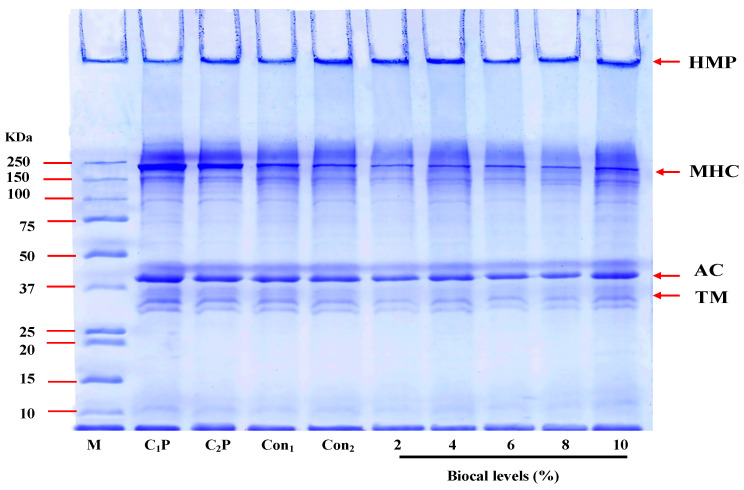
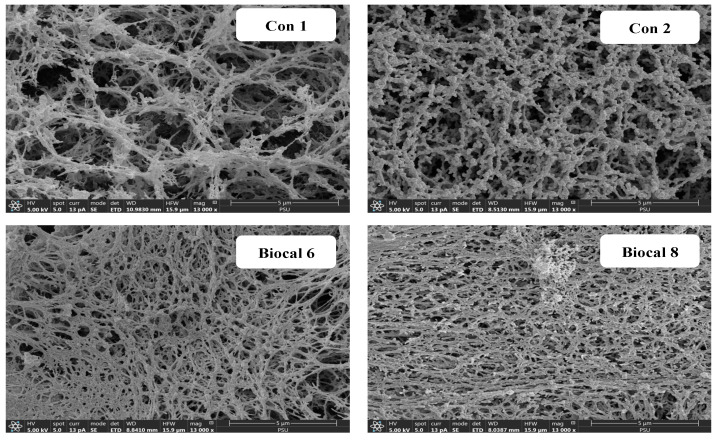
Saltwater crocodile (SC; Crocodylus porosus) bone, an underutilized by-product, can be converted into high-value bio-calcium (Biocal), serving as a potential source of calcium and minerals. This study aimed to produce SC bone Biocal as functional gel enhancer for fish bologna development and to increase calcium intake. The resulting bone powder was evaluated for physicochemical, microbiological, and molecular properties. Additionally, the textural, physicochemical, structural, and sensorial properties of the formulated fish bologna incorporating Biocal at varying levels (0-10% w/w) were also evaluated. Biocal, obtained as a fine white powder, had a 16.83% yield. Mineral analysis showed 26.25% calcium and 13.72% phosphorus, with no harmful metals or pathogens detected. X-ray diffraction confirmed hydroxyapatite with 69.92% crystallinity, while calcium bioavailability was measured at 22.30%. Amino acid analysis indicated high levels of glycine, proline, and hydroxyproline, essential for collagen support. The findings confirmed that SC bone Biocal is beneficial and safe for food fortification. Incorporating SC Biocal (2-10% w/w) significantly affected the fish bologna characteristics (p < 0.05). As the Biocal level increased, the gel strength, hardness, and shear force also increased. The addition of 6% (w/w) Biocal significantly improved the textural property, without a detrimental effect on the sensory attributes of the bologna gel (p < 0.05). SDS-PAGE analysis showed TGase-enhanced myosin heavy chain (MHC) cross-linking, particularly in combination with Biocal. Moreover, the enriched Biocal-bologna gel exhibited a finer and denser microstructure. Thus, SC Biocal, particularly at 6% (w/w), can serve as a functional gel enhancer in surimi-based products, without compromising organoleptic quality.
Keywords: biocalcium; fish bologna; functional gel enhancer; saltwater crocodile bone.
Conflict of interest statement
The authors declare no conflicts of interest.
Figures
References
-
- Sriket C., Niwet J., Kuimalee S., Benjakul S., Yarnpakdee S., Karnjanapratum S., Senphan T. A comprehensive study of diverse techniques for enhanced physicochemical and structural properties of bio-calcium from hybrid catfish bone. Food Biosci. 2023;56:103398. doi: 10.1016/j.fbio.2023.103398. - DOI
-
- Patil U., Nilsuwan K., Benjakul S. Functional Ingredients from Seafood Processing Wastes: Protein Hydrolysate and Biocalcium. Turk. J. Fish. Aquat. Sci. 2024;24:25347. doi: 10.4194/TRJFAS25347. - DOI
-
- Jung W.K., Kim S.K. Calcium-binding peptide derived from pepsinolytic hydrolysates of hoki (Johnius belengerii) frame. Eur. Food Res. Technol. 2007;224:763–767. doi: 10.1007/s00217-006-0371-4. - DOI
Grants and funding
LinkOut - more resources
Full Text Sources
Research Materials
