


The Role of Genetic and Non-Genetic Factors in the Occurrence of Cisplatin-Associated Ototoxicity
- PMID: 40429930
- PMCID: PMC12112311
- DOI: 10.3390/ijms26104787
The Role of Genetic and Non-Genetic Factors in the Occurrence of Cisplatin-Associated Ototoxicity
Abstract
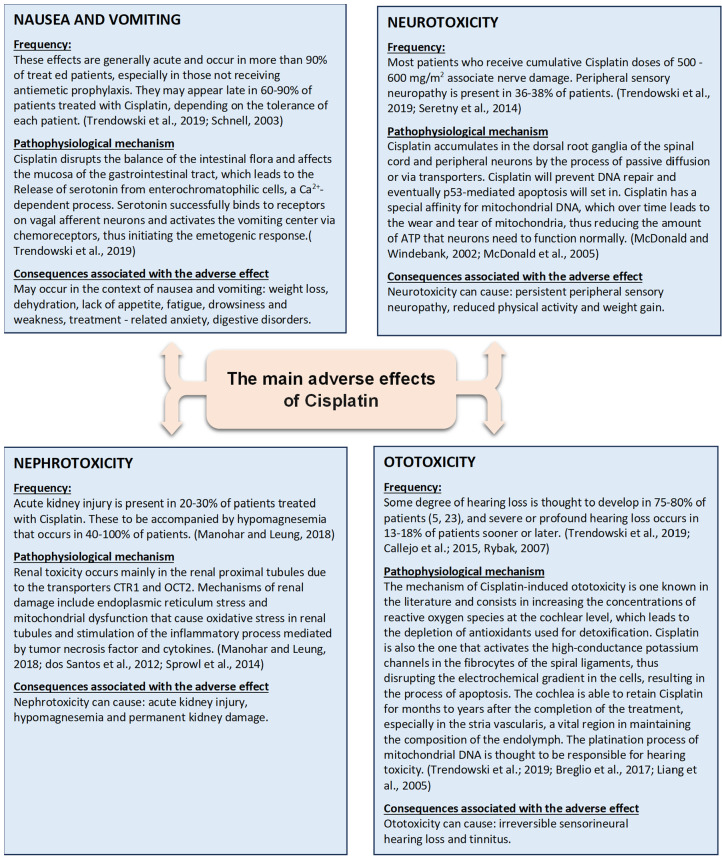
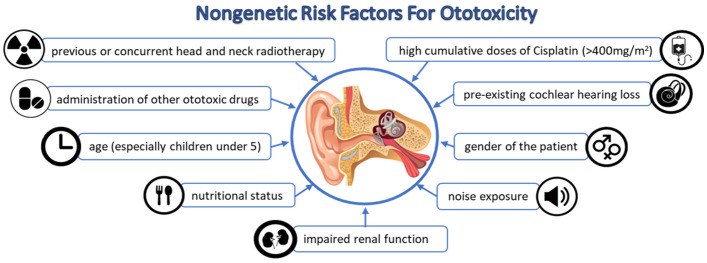
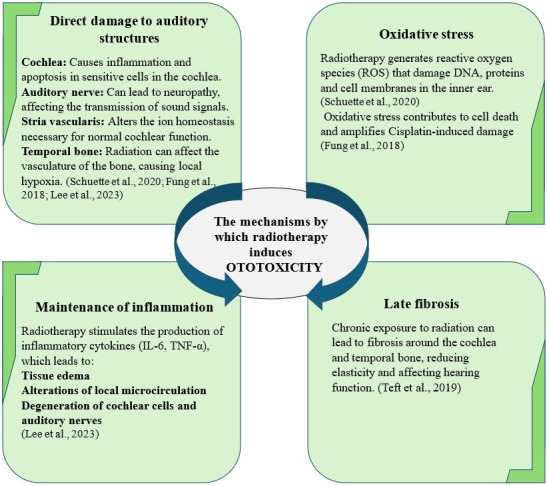
There is significant inter-individual variability in the prevalence and severity of cisplatin-induced ototoxicity, which is greatly influenced by genetic and non-genetic factors that predispose the patient to the development of hearing loss. Currently, the focus should be on identifying patients who are more likely to develop ototoxicity based on genetic and non-genetic factors, as therapies to combat ototoxicity are limited or still under study. The severity of hearing loss and the time of its onset may be influenced by certain genetic polymorphisms or the dose administered, age, sex, diet, the administration of other drugs with ototoxic potential, and association with radiotherapy of the head and neck. Knowing the risk factors allows the doctor to manage each case in a personalized manner, preventing hearing damage, especially in the long term. With the help of PubMed and Scopus, we searched for relevant studies documenting the genetic and non-genetic risk in patients treated with cisplatin. This review article is a synthesis of the literature that points out the importance of these factors, encouraging genetic screening and improving quality of life in patients treated with cisplatin.
Keywords: adverse effects; cisplatin; genetic factors; non-genetic factors; ototoxicity.
Conflict of interest statement
The authors declare no conflicts of interest.
Figures
References
Publication types
MeSH terms
Substances
LinkOut - more resources
Full Text Sources
