


Stress fractures and overuse injuries in children and adolescents
- PMID: 40433260
- PMCID: PMC12088331
- DOI: 10.1016/j.jposna.2024.100029
Stress fractures and overuse injuries in children and adolescents
Abstract
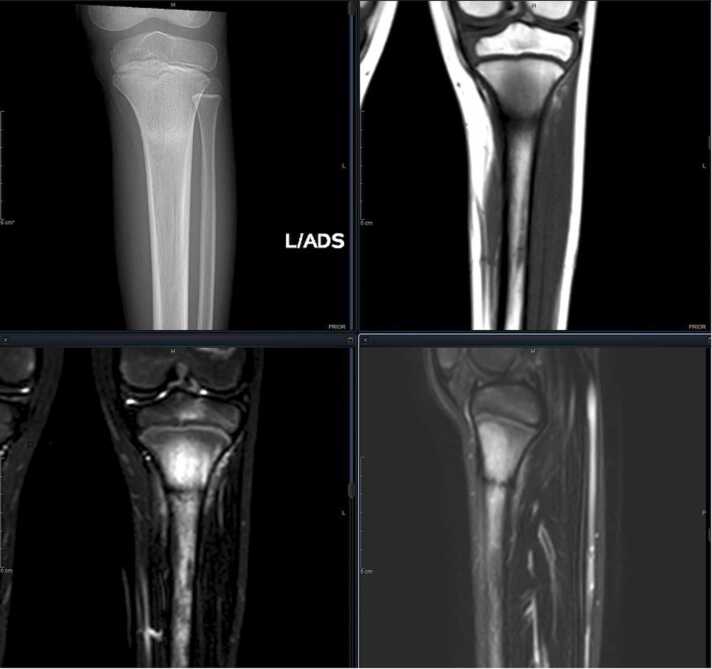
There is an intricate connection between physical activity, bone health, and the susceptibility to stress fractures and overuse injuries. Physical activity has a positive impact on bone strength while a sedentary lifestyle can lead to a heightened risk for injury. The rise of early sports specialization has led to a substantial increase in overuse injuries, particularly in individual sports.Bone Stress Injuries (BSI) represent a category of overuse injuries closely linked to single sport specialization. BSI involves a spectrum of altered bone mechanics, ranging from edema of periosteum, endosteum, and bone; potentially leading to partial or full cortical breaks. This condition is prevalent in high-level athletes and encompasses stress reactions and fractures, resulting from an imbalance between injury creation and repair. Up to 20% of adolescents are affected, with the tibia being the most common location, predominantly occurring in athletes aged 15 to 25. A holistic approach integrating both physical and nutritional aspects is warranted to ensure sustained musculoskeletal health across diverse pediatric and adolescent groups and athletic endeavors.
Key concepts: (1)Early and single sports specialization has a substantial impact on overuse injuries.(2)Bone stress injuries are common in high-level athletes resulting from an imbalance between creation and repair of injury.(3)Relative energy deficiency in sports (REDS) is related to a higher risk for recurrent Bone Stress Injuries.(4)Athletes that are lacking vitamin D are found to have an increased risk for stress fractures.
Keywords: Adolescent stress injuries; Bone health; Overuse.
© 2024 The Authors.
Conflict of interest statement
The author declares the following financial interests/personal relationships: Paid consultant for Bioretec and WishBone Medical. The author has stock with Pfizer and Doximity. The author declares no conflict of interest related to the publication of this manuscript, including financial, consultant, institutional, or other relationships that may lead to bias or a conflict of interest.
Figures
References
-
- AWS W. Sports injuries in footballers related to defects of posture and body mechanics. J Sports Med Phys Fit. 1995;35(4):289–294. - PubMed
LinkOut - more resources
Full Text Sources
