Review of cocaine-induced brain vascular and cellular function changes measured in vivo with optical imaging
- PMID: 40438148
- PMCID: PMC12118881
- DOI: 10.1117/1.NPh.12.S1.S14611
Review of cocaine-induced brain vascular and cellular function changes measured in vivo with optical imaging
Abstract
Significance: Cocaine exerts effects on vascular and cellular functions in the brain. The interactions among cerebrovasculature, neurons, and astrocytes and their dynamic changes during exposure complicate the understanding of its effects. Therefore, there is a need for simultaneous, multiparameter in vivo measurements to accurately distinguish these effects.
Aim: A multimodal optical imaging approach that is tailored to investigate cocaine's effects on cerebrovasculature, neurons, and astrocytes in high-spatiotemporal resolution and large field of view is presented with comparisons to other modalities.
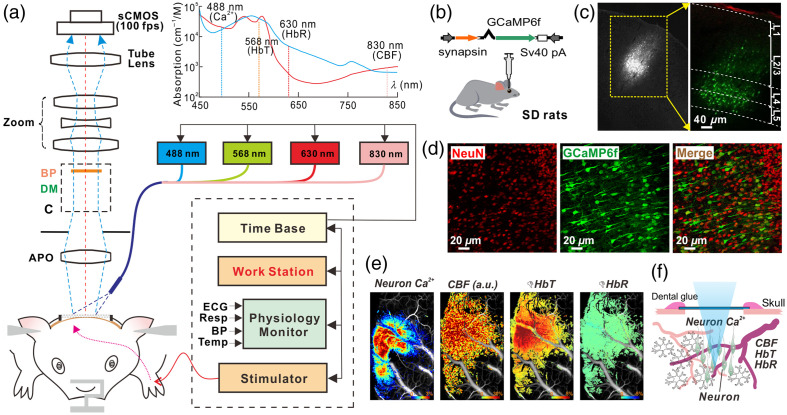
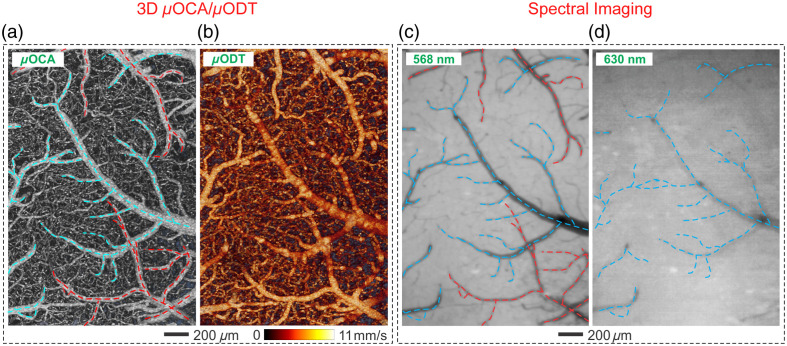
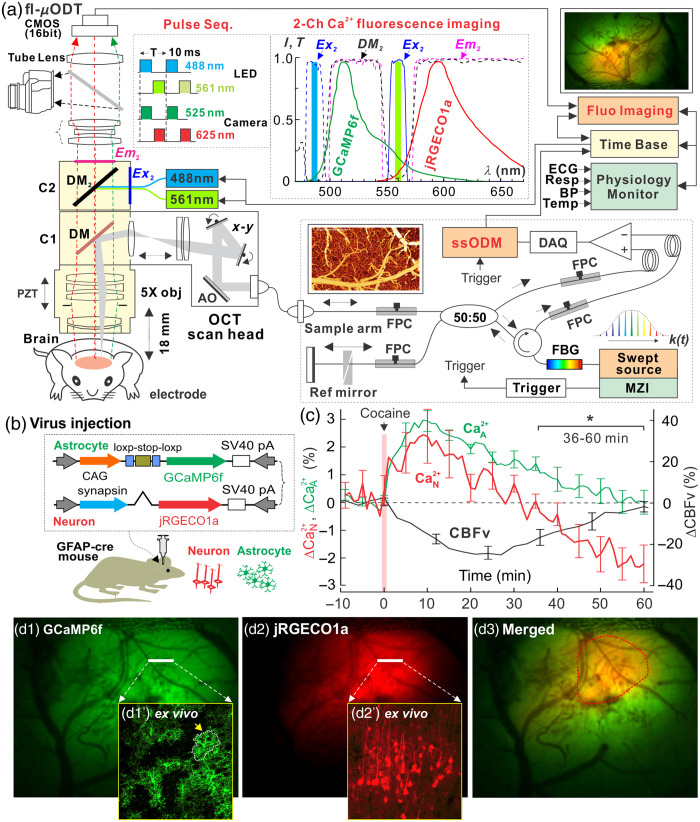
Approach: This approach integrates optical coherence tomography, fluorescence, and spectral absorption imaging to permit high-resolution imaging of 3D cerebrovessels, cerebral blood flow (CBF), changes in oxygenated/deoxygenated hemoglobin, and large-scale cellular activities via intracellular calcium fluorescence expressed through genetically encoded calcium indicators in the mouse cortex.
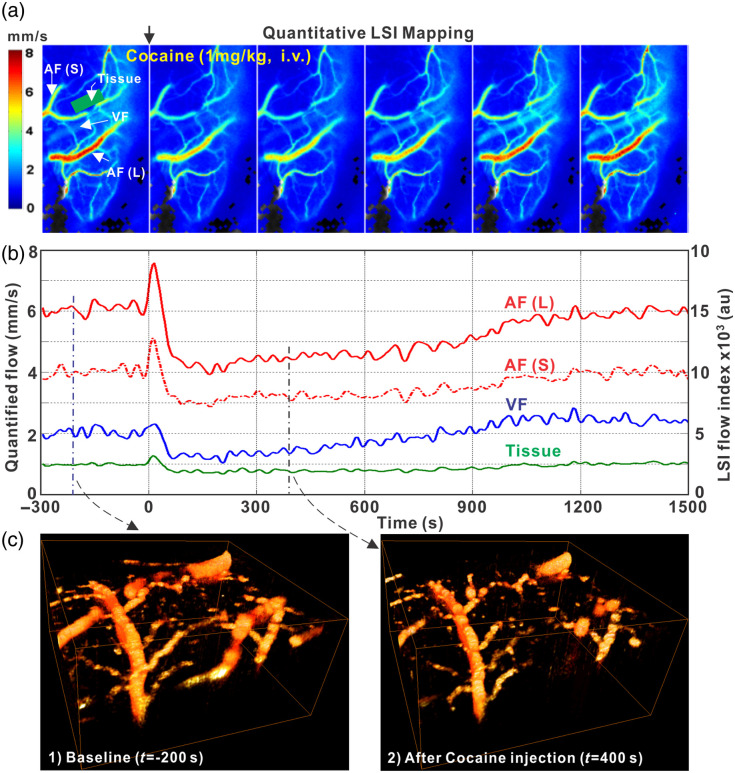
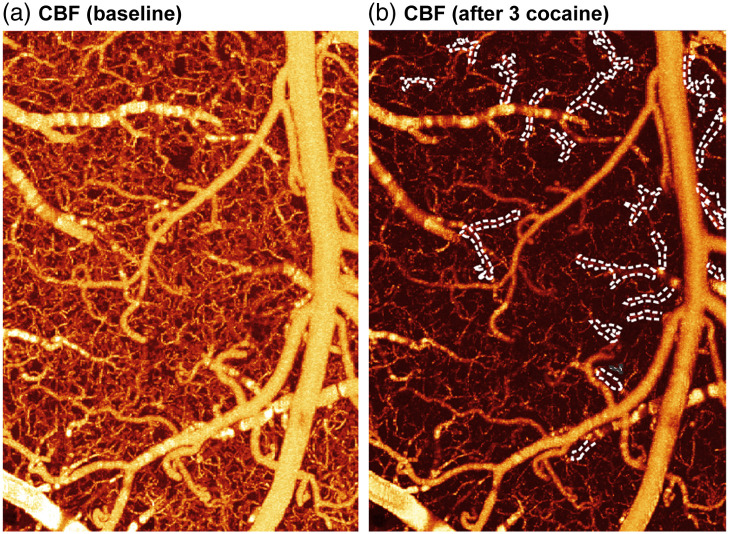
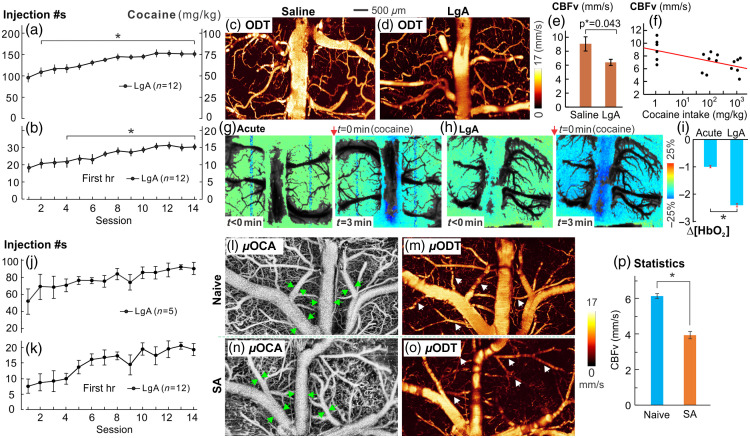
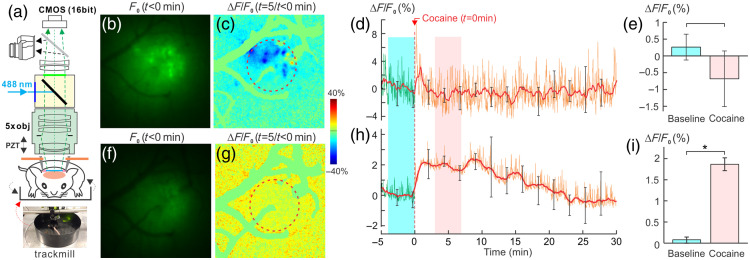
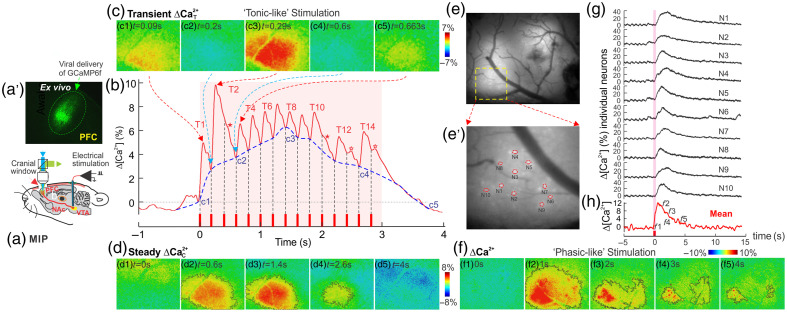
Results: Results show that cocaine induces vasoconstriction and reduces CBF, thus increasing the susceptibility of the brain to ischemia with chronic exposure. Moreover, cocaine alters neuronal activity and frontal responses to deep brain stimulation.
Conclusions: These findings on cocaine's effects on the neuro-astroglial-vascular network in the prefrontal cortex highlight the unique capacity of optical imaging to reveal the cellular and vascular mechanisms underlying cocaine's neurotoxic effects on brain function.
Keywords: addiction; cerebral blood flow; cocaine; hemoglobin oxygenation and deoxygenation; neuroimaging; optical imaging in vivo.
© 2025 The Authors.
Figures
References
-
- He G. Q., et al. , “Cocaine-induced cerebrovasospasm and its possible mechanism of action,” J. Pharmacol. Exp. Ther. 268, 1532–1539 (1994). - PubMed
Publication types
Grants and funding
LinkOut - more resources
Full Text Sources