


The Impact of Triglycerides on Rheumatoid Arthritis: Risk Factor and Mendelian Randomization Study
- PMID: 40438251
- PMCID: PMC12117706
- DOI: 10.2147/OARRR.S513774
The Impact of Triglycerides on Rheumatoid Arthritis: Risk Factor and Mendelian Randomization Study
Abstract
Objective: This study investigates the association between triglycerides and Rheumatoid arthritis (RA) risk through risk factor analysis and Mendelian randomization (MR).
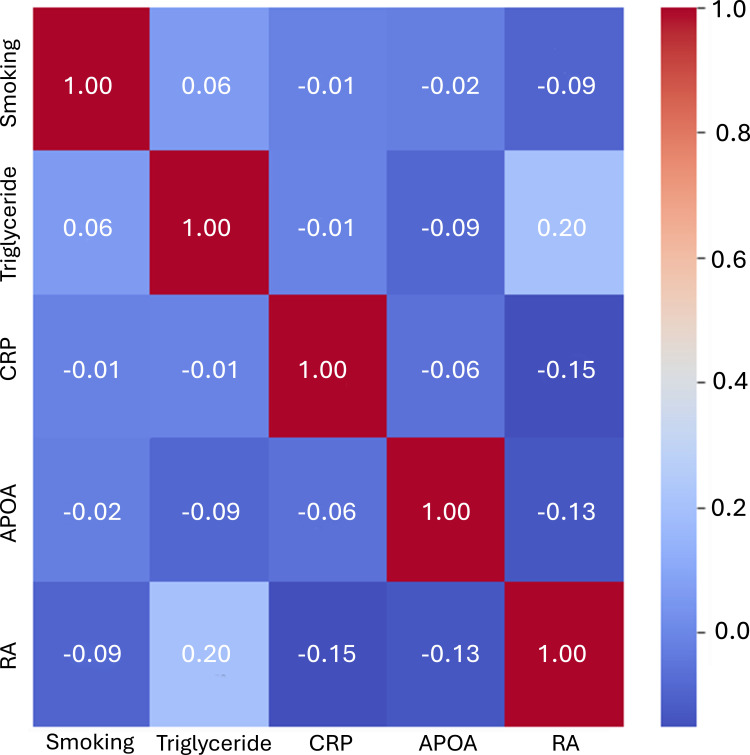
Methods: Data from the Dryad database were used for a case-control study with 455 participants (224 with RA and 231 controls), with a median age of 54 years (IQR: 45-62) and 34% male participants. Logistic regression analyses identified risk factors, and correlation coefficient analysis assessed associations between triglycerides and RA. A two-sample MR analysis was conducted using genetic variants associated with triglyceride levels as instrumental variables.
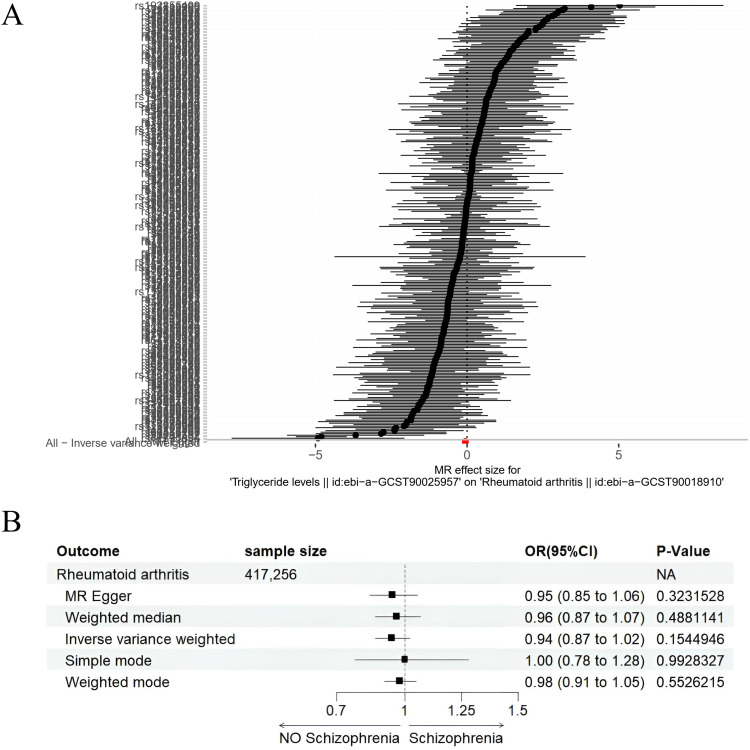
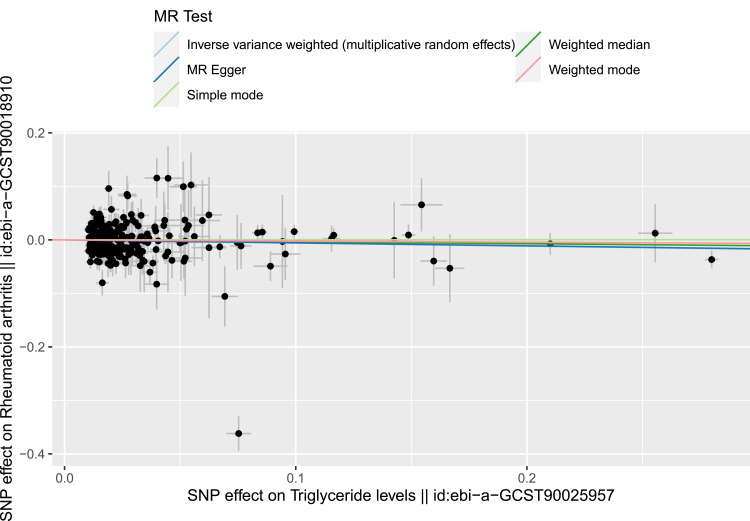
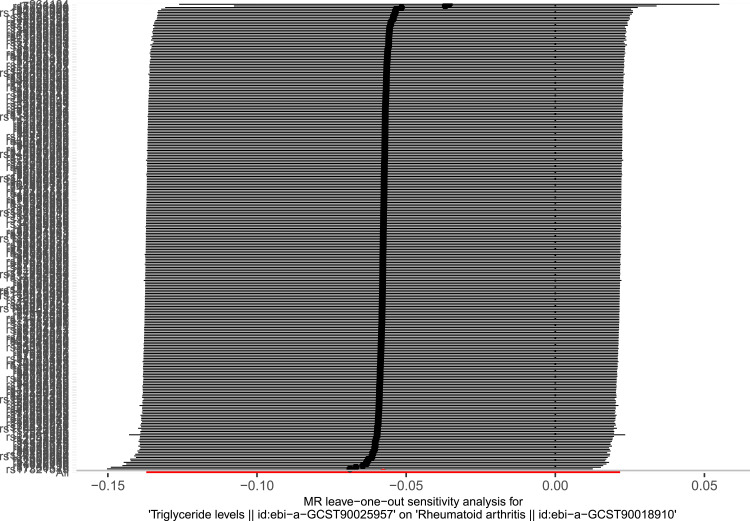
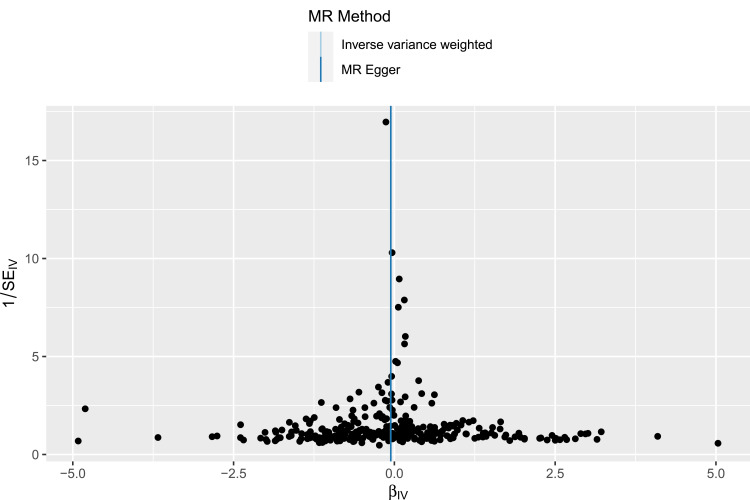
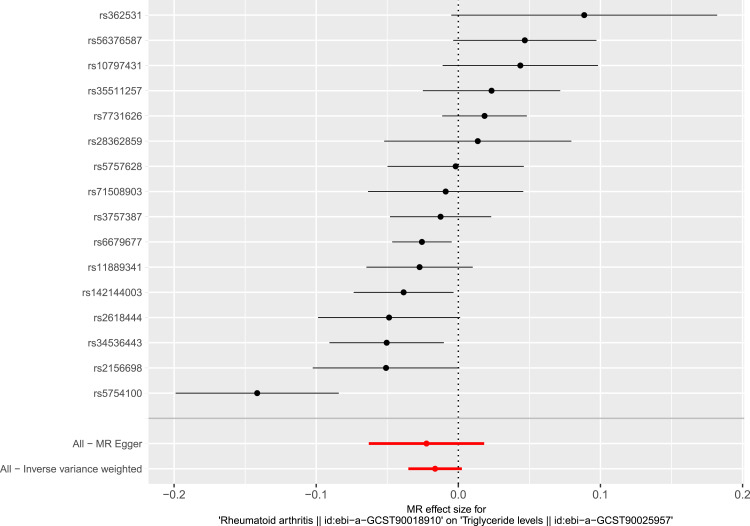
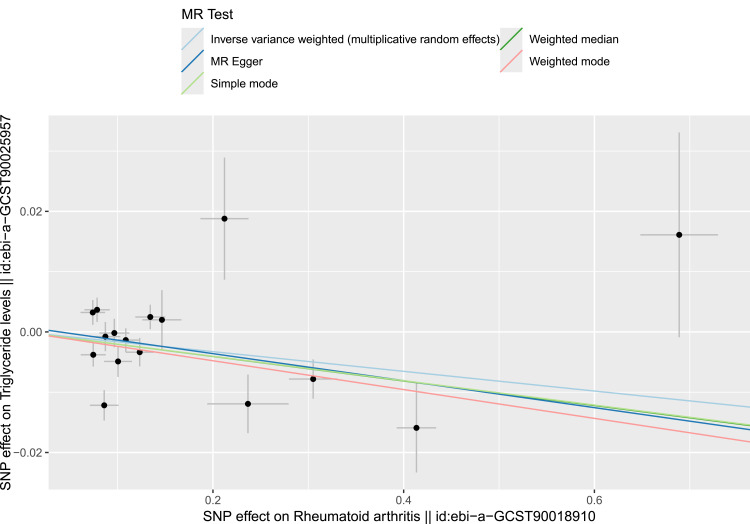
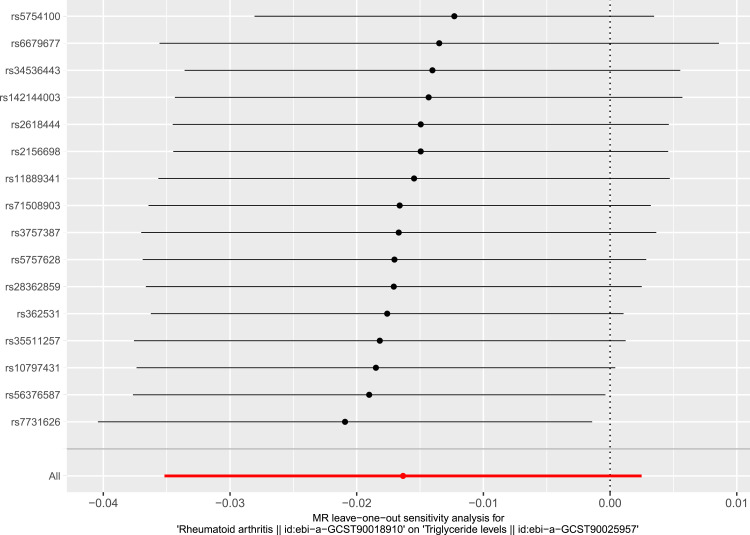
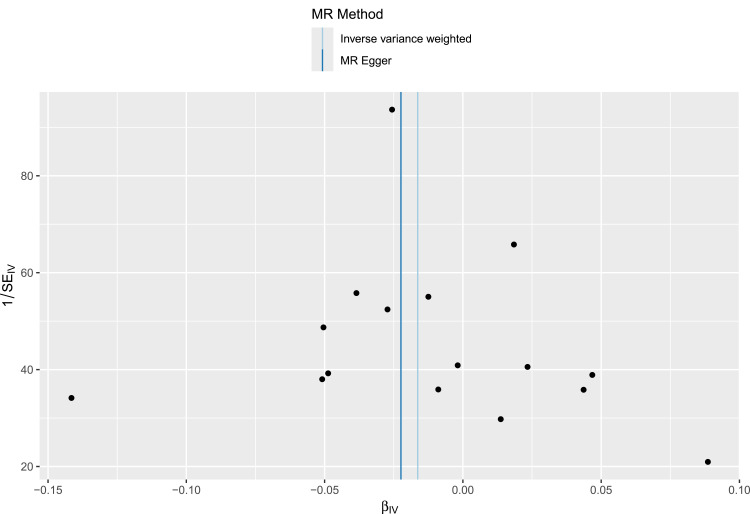
Results: Logistic regression identified higher triglyceride levels, a history of non-smoking, lower levels of C-reactive protein, and apolipoprotein A as significant risk factors for RA (all P < 0.05). MR analysis showed no significant causal relationship, with odds ratios (IVW OR = 0.944, P = 0.154) close to 1. Heterogeneity tests showed no significant variation in causal estimates, supporting the absence of a causal link between triglycerides and RA.
Conclusion: While elevated triglyceride levels are associated with an increased risk of RA, MR suggests that triglycerides do not play a direct causal role in its development. These findings indicate that triglyceride management may not be a primary focus in RA treatment, but further research into the mechanisms underlying RA progression is needed.
Keywords: Mendelian randomization; causal relationship; rheumatoid arthritis; risk factor; triglycerides.
© 2025 Liu and Liang.
Conflict of interest statement
The authors report no competing interests in this work.
Figures
References
Associated data
LinkOut - more resources
Full Text Sources
Research Materials
