


The Effectiveness of Mulligan's Techniques in Non-Specific Neck Pain: A Systematic Review and Meta-Analysis
- PMID: 40439260
- PMCID: PMC12121345
- DOI: 10.1002/pri.70045
The Effectiveness of Mulligan's Techniques in Non-Specific Neck Pain: A Systematic Review and Meta-Analysis
Abstract
Background and purpose: Mulligan's techniques, such as Sustained Natural Apophyseal Glides (SNAGs) and Natural Apophyseal Glides (NAGs), are commonly applied by physiotherapists when treating patients with non-specific neck pain (NP). However, there has been no comprehensive synthesis of their effects in NP. This review aimed to assess the effectiveness of Mulligan's techniques in reducing pain, improving disability, and enhancing cervical range of motion (CROM) in adults with acute, subacute, or chronic NP.
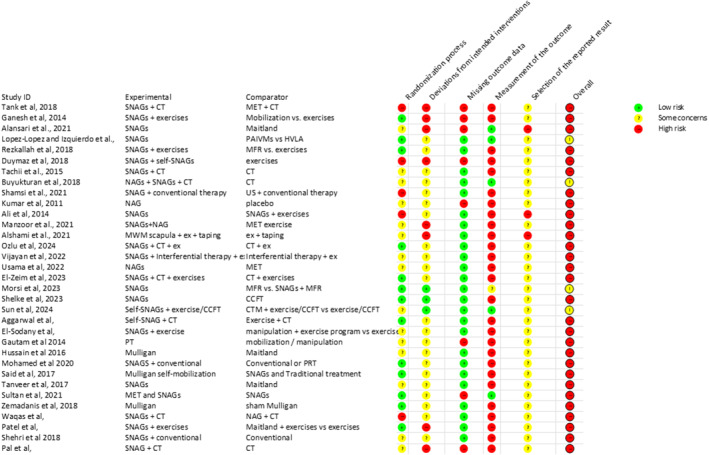
Methods: A systematic review with meta-analysis was conducted on randomized controlled trials (RCTs) comparing Mulligan's techniques with other interventions in adults with NP. Two reviewers independently conducted study selection, data extraction, and risk of bias (RoB) assessment. Meta-analyses were performed when clinical homogeneity was present; otherwise, a narrative synthesis was used. Certainty of evidence was rated using the Grading of Recommendations, Assessment, Development and Evaluations (GRADE) approach.
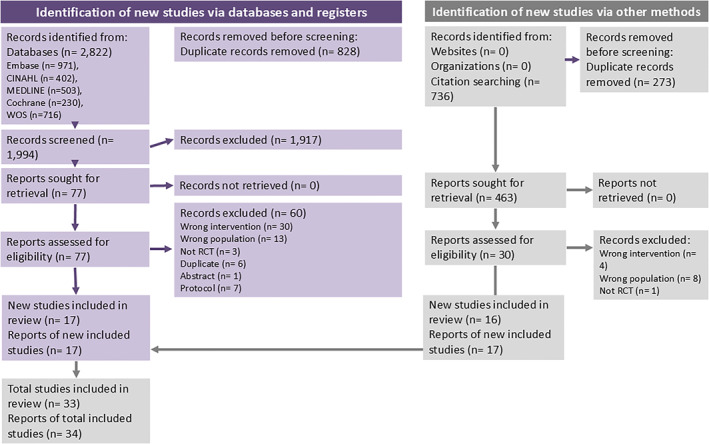
Results: Thirty-three studies were included. For acute and mixed (acute/subacute/chronic) NP, Mulligan's techniques were no more effective than other interventions for pain reduction, disability improvement, or CROM enhancement. However, in patients with chronic or uncertain chronicity NP, SNAGs combined with other interventions demonstrated superior outcomes-both statistically and sometimes clinically-compared to certain treatments like exercises and muscle-energy techniques, for reducing pain and disability and improving CROM. The certainty of evidence was rated very low.
Discussion: Mulligan's techniques appear to be safe, simple, and potentially beneficial for managing mixed or chronic NP when combined with other interventions, presenting results that may be comparable or occasionally superior to other standard techniques.
Implications for physiotherapy practice: Physiotherapists may consider incorporating Mulligan's techniques, especially SNAGs, within broader NP treatment strategies, as they offer a feasible, low-risk option for improving patient outcomes, particularly for chronic NP cases when used alongside other therapies.
Keywords: musculoskeletal manipulations; neck pain; physical therapy modalities; randomized controlled trials; systematic review.
© 2025 The Author(s). Physiotherapy Research International published by John Wiley & Sons Ltd.
Conflict of interest statement
The authors declare no conflicts of interest.
Figures
References
-
- Abd El‐Azeim, A. S. , and Grase M. O.. 2023. “Efficacy of Mulligan on Electromyography Activation of Cervical Muscles in Mechanical Neck Pain: Randomized Experimental Trial.” Physiotherapy Quarterly 31, no. 4: 7–14. 10.5114/pq.2023.117224. - DOI
-
- Aggarwal, S. , and Verma M.. 2018. “Efficacy of Mulligan’s Self‐Sustained Natural Apophyseal Glides in Decreasing Pain, Disability, and Improving Neck Mobility Among the Nursing Professional Suffering From Work‐Related Neck Pain.” Archives of Medicine and Health Sciences 6, no. 1: 48–53. 10.4103/amhs.amhs_8_18. - DOI
Publication types
MeSH terms
LinkOut - more resources
Full Text Sources
Medical
Miscellaneous
