


The first using developed clean environment index for assessment of the environment pollution caused by littering behavior
- PMID: 40447692
- PMCID: PMC12125164
- DOI: 10.1038/s41598-025-04145-7
The first using developed clean environment index for assessment of the environment pollution caused by littering behavior
Abstract
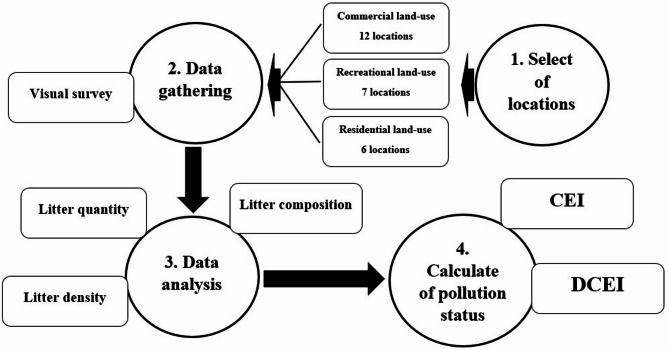
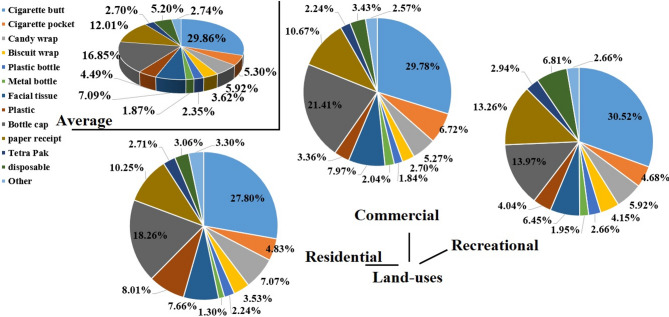
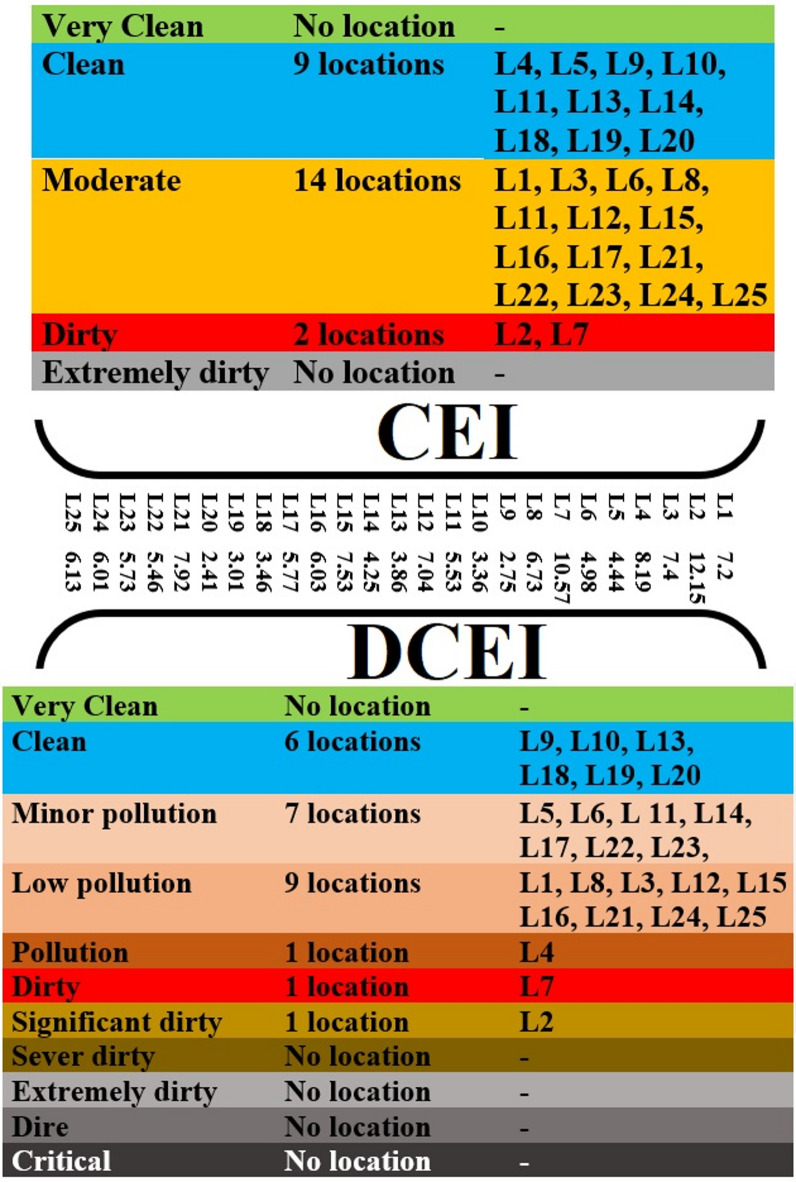
Classification of the environmental status resulting from waste littering has significant importance in evaluating the efficiency of the cleaning system and also in identifying the most polluted areas and priority for pollution control programs. In recent decades, various indexes have been developed for this purpose, of which the Clean Environment Index is one of the most widely used in recent years. The aim of this study was to improve this index for a more accurate assessment of the environment pollution. For this purpose, 25 locations in Tehran metropolis were evaluated in terms of the density of discarded waste in different land-uses. By changes in the classification of the status and its increase from five to eleven categories, the Clean Environment Index was improved and used. The results showed that the average density of litter in the studied locations was 0.198 items/m2. Cigarette butts, paper, and plastic constituted 29.85%, 12%, and 38.43% of the litter mass, respectively. While available indexes rank environmental pollution into five categories, make it difficult to compare locations and assess efficiency of cleaning programs, the development of a new index in this study addressed this challenge. The Clean Environment Index classified 56% of the studied locations in moderate status, while the Developed Clean Environment Index provided a wider distribution. Further classification of the pollution status in the new index caused the share of the largest category not exceed 36% of the studied locations. We were able to provide a better comparison between the studied locations by a better distribution of status classification. Developed Clean Environment Index can replace Clean Environment Index to achieve more accurate results.
Keywords: Cleaning system; Solid waste; Urban management.
© 2025. The Author(s).
Conflict of interest statement
Declarations. Competing interests: The authors declare no competing interests.
Figures
References
-
- Warsame, A. A., Abdi, A. H., Amir, A. Y. & Azman-Saini, W. Towards sustainable environment in Somalia: the role of conflicts, urbanization, and globalization on environmental degradation and emissions. J. Clean. Prod.406, 136856 (2023). - DOI
-
- Naqvi, S. L. H. et al. Pollution status monitoring and indices development for evaluating sustainable environmental management practices (SEMP) in Quaid-e-Azam industrial estate, Pakistan. J. Clean. Prod.405, 136944 (2023). - DOI
-
- Torkashvand, J., Farzadkia, M., Younesi, S. & Gholami, M. A systematic review on membrane technology for carwash wastewater treatment: efficiency and limitations. Desalin. Water Treat.210, 81–90 (2021). - DOI
-
- Najafi, S. et al. Development of municipal solid waste management guidelines in biological crisis based on international experiences and considering local techno-economic characteristics. Results Eng. 22, 102052 (2024).
MeSH terms
LinkOut - more resources
Full Text Sources
