


Broadly reactive monoclonal antibodies against beta-lactamases for immunodetection of bacterial resistance to antibiotics
- PMID: 40447764
- PMCID: PMC12125298
- DOI: 10.1038/s41598-025-04603-2
Broadly reactive monoclonal antibodies against beta-lactamases for immunodetection of bacterial resistance to antibiotics
Abstract
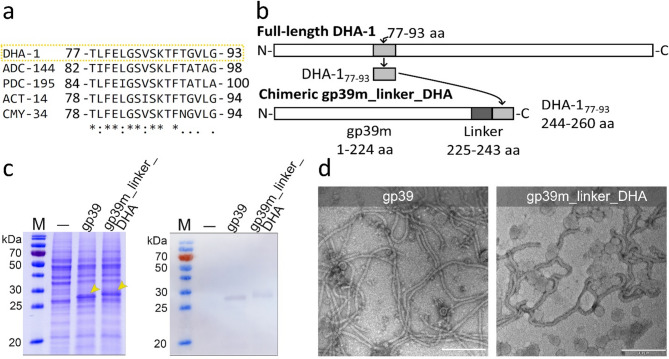
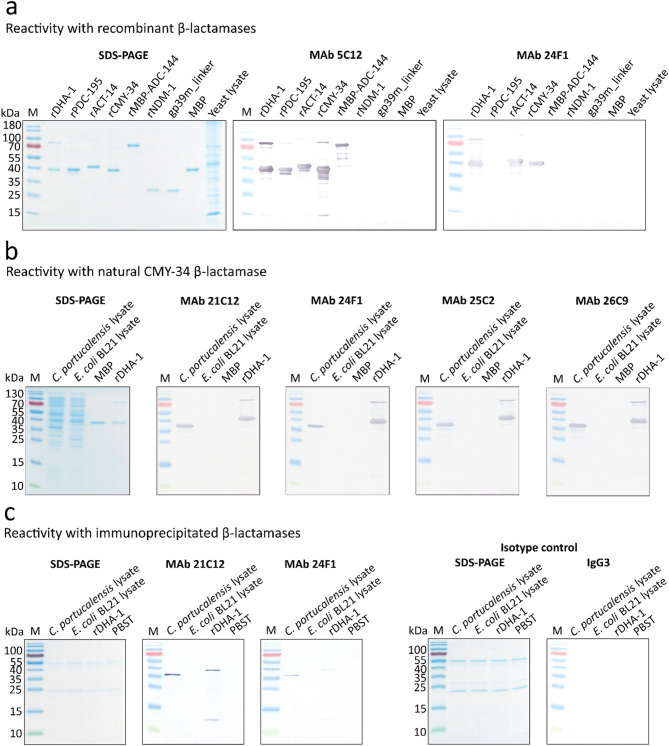
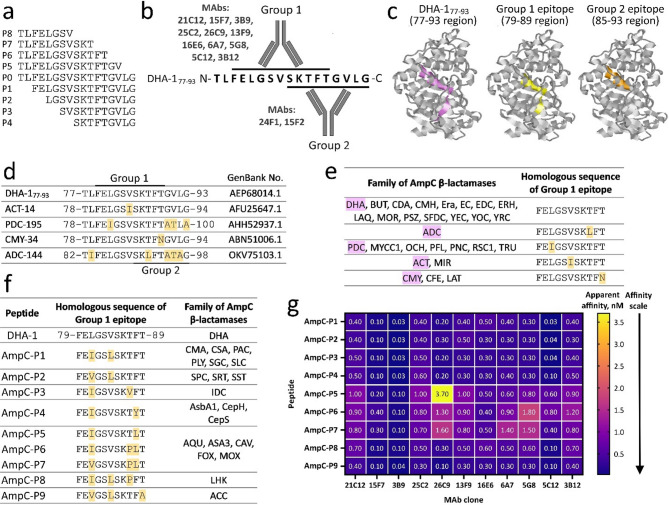
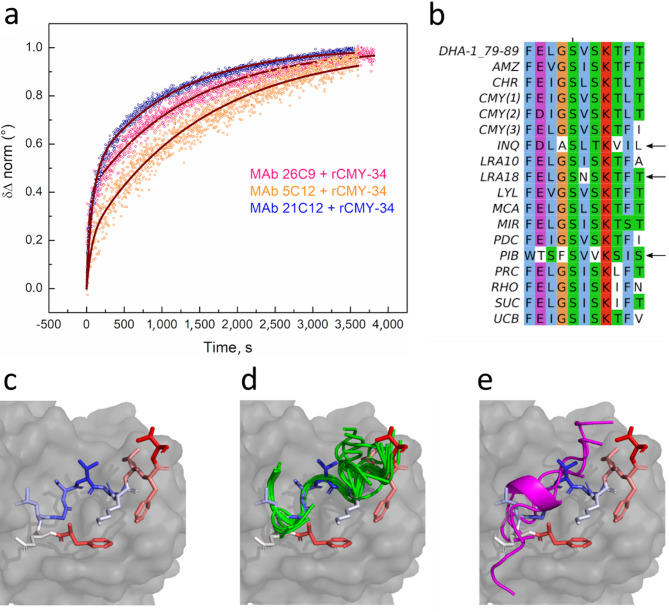
With antibiotic resistance reaching alarming levels globally, rapid detection of resistance determinants is crucial for administering appropriate antimicrobial therapies. This study aimed to develop monoclonal antibodies (MAbs) against bacterial β-lactamases, which are key enzymes in antibiotic resistance, for potential diagnostic use. To generate MAbs capable of recognising a broad range of β-lactamases in bacterial isolates, the bacteriophage vB_EcoS_NBD2 tail tube protein gp39-derived nanotubes, as a scaffold displaying a highly conserved 17-amino acid peptide of AmpC β-lactamases, were produced in yeast and used as an immunogen for generation of MAbs by hybridoma technology. Thirteen hybridoma clones producing peptide-specific MAbs were developed. To assess MAb reactivity with AmpC enzymes, recombinant DHA-1, PDC-195, ACT-14, CMY-34, and ADC-144 β-lactamases were generated. Eleven of thirteen MAbs demonstrated cross-reactivity with all tested β-lactamases in ELISA and Western blot. Immunoprecipitation and Western blot analyses confirmed MAb reactivity with natural CMY-34 in the Citrobacter portucalensis isolate. Epitope analysis revealed that most MAbs recognise a highly conserved epitope of 11 amino acids. The MAbs were comprehensively characterised using different immunoassays, total internal reflection ellipsometry and computational modelling. These novel MAbs, which recognise a wide range of AmpC enzymes, represent a promising tool for immunodetection of antibiotic resistance determinants.
Keywords: AmpC β-lactamases; Antibiotic resistance; Class C β-lactamases; Monoclonal antibodies; β-lactamase detection.
© 2025. The Author(s).
Conflict of interest statement
Competing interests: The authors declare no competing interests. Ethics approval: Animal maintenance and experimental procedures were performed in accordance with the ARRIVE and FELASA guidelines according to Lithuanian and European legislation. Ethical approval was granted by State Food and Veterinary Agency (Vilnius, Lithuania), permission No. G2–117, issued 11 June 2019.
Figures
References
MeSH terms
Substances
Grants and funding
- 01.2.2-MITA-K-702-05-0003/Agency of Science, Innovation and Technology
- 01.2.2-MITA-K-702-05-0003/Agency of Science, Innovation and Technology
- 01.2.2-MITA-K-702-05-0003/Agency of Science, Innovation and Technology
- 01.2.2-MITA-K-702-05-0003/Agency of Science, Innovation and Technology
- 01.2.2-MITA-K-702-05-0003/Agency of Science, Innovation and Technology
LinkOut - more resources
Full Text Sources
Medical
