


MicroRNA-371-373 cluster extracellular vesicle-based communication in testicular germ cell tumors
- PMID: 40448114
- PMCID: PMC12124061
- DOI: 10.1186/s12964-025-02250-8
MicroRNA-371-373 cluster extracellular vesicle-based communication in testicular germ cell tumors
Abstract
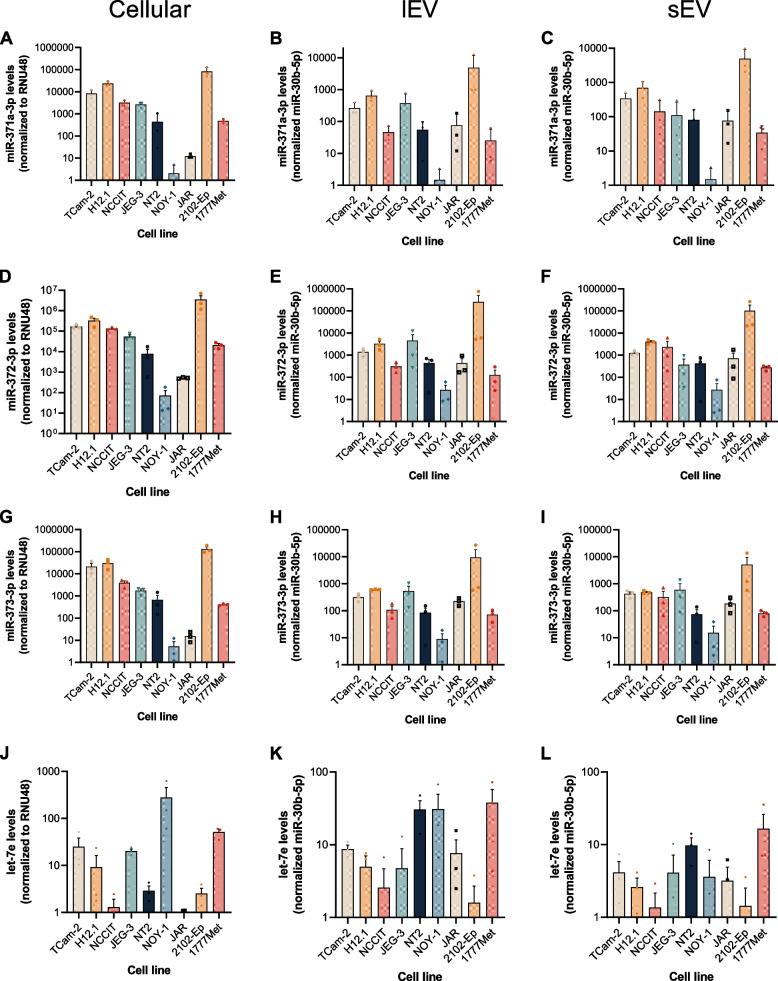
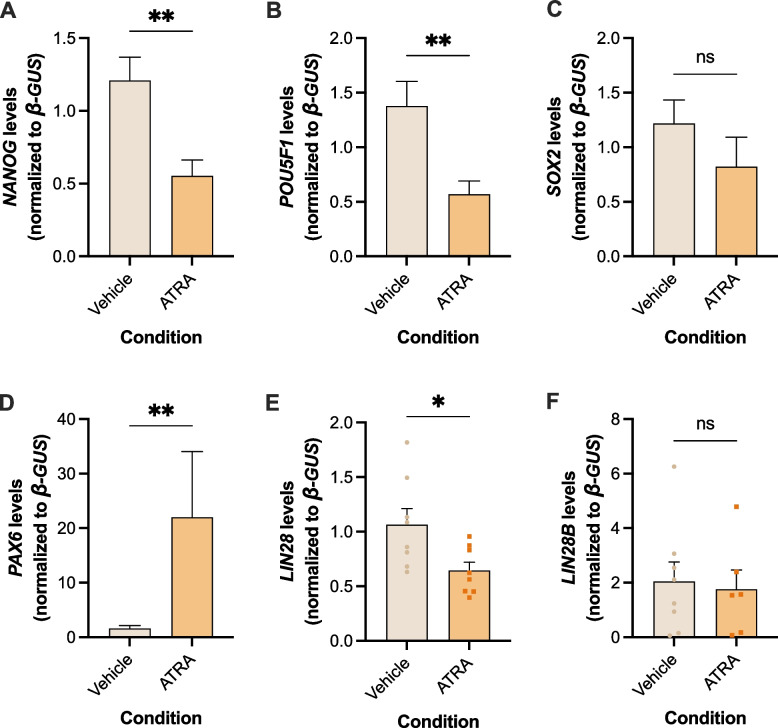
Testicular germ cell tumors (TGCTs) represent the most common type of cancer in young adults. The cluster of microRNAs 371-373 is highly upregulated in TGCTs, and detection of miR-371a-3p specifically is currently being developed for clinical implementation as a sensitive and specific biomarker for TGCT, except for teratoma. Extracellular vesicles (EVs) are nano-sized particles used for cell communication, being increasingly regarded as potential sources of cancer biomarkers. Thus, the aim of this study was to characterize EVs from a wide range of TGCT samples, including cell lines, tissue explants and matched plasma samples from patients and healthy donors, and then use these samples to assess microRNA expression (miR-371-373 cluster and let-7e). TGCT-derived EVs were successfully isolated and characterized according to MISEV guidelines. TGCT cell lines showed different levels of EV-derived miR-371-373 cluster and let-7e. Upon differentiation of NT2 cells with ATRA, both cellular and EV-derived miR-371-373 cluster were downregulated, whereas let-7e was upregulated. TGCT patient samples presented high levels of EV-derived miR-371-373, except for the teratoma samples. We conclude that a significant portion of the circulating miR-371-373 cluster used as a TGCT biomarker in the clinic is secreted into EVs, and that this cluster and the let-7 family of microRNAs may be related with TGCT intercellular communication and differentiation.
© 2025. The Author(s).
Conflict of interest statement
Declarations. Ethics approval and consent to participate: Samples were collected after obtaining patient informed consent and ethics approval (CES176/022). Consent for publication: Not applicable. Competing interests: The authors declare no competing interests.
Figures






References
-
- Bray F, Laversanne M, Sung H, et al. Global cancer statistics 2022: GLOBOCAN estimates of incidence and mortality worldwide for 36 cancers in 185 countries. CA Cancer J Clin. 2024;74(3):229–63. 10.3322/caac.21834. - PubMed
-
- Tavares NT, Henrique R, Bagrodia A, Jeronimo C, Lobo J. A stroll through the present and future of testicular germ cell tumour biomarkers. Expert Rev Mol Diagn. 2023;23(5):405–18. 10.1080/14737159.2023.2206956. - PubMed
-
- Almstrup K, Lobo J, Morup N, et al. Application of miRNAs in the diagnosis and monitoring of testicular germ cell tumours. Nat Rev Urol. 2020;17(4):201–13. 10.1038/s41585-020-0296-x. - PubMed
-
- Oosterhuis JW, Looijenga LHJ. Human germ cell tumours from a developmental perspective. Nat Rev Cancer. 2019;19(9):522–37. 10.1038/s41568-019-0178-9. - PubMed
MeSH terms
Substances
Supplementary concepts
Grants and funding
LinkOut - more resources
Full Text Sources
Medical
