


Promising biomedical applications using superparamagnetic nanoparticles
- PMID: 40452035
- PMCID: PMC12128481
- DOI: 10.1186/s40001-025-02696-z
Promising biomedical applications using superparamagnetic nanoparticles
Abstract
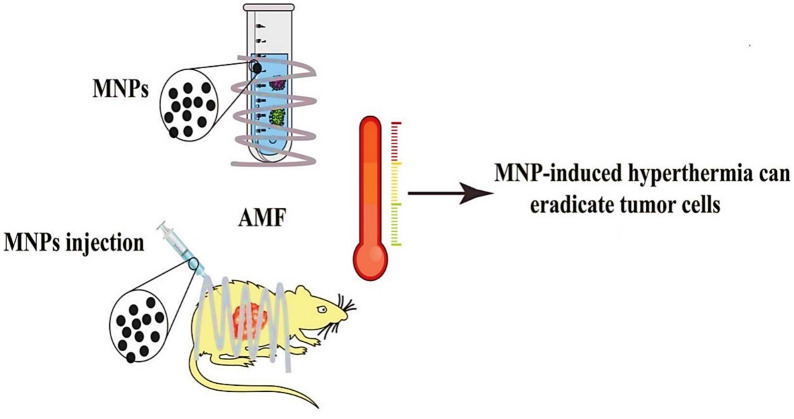
Magnetic nanoparticles (MNPs) have emerged as powerful tools in biomedicine due to their distinct physicochemical characteristics, including a high surface-area-to-volume ratio, adjustable size, magnetic sensitivity, and compatibility with biological systems. These properties enable precise control through external magnetic fields, making MNPs highly effective in targeted therapeutic and diagnostic applications. Although not inherently intelligent, they can exhibit programmable and responsive behavior under external influence, enhancing their utility in drug delivery and hyperthermia-based treatments. In the medical field, MNPs have been extensively explored for their role in magnetic resonance imaging (MRI) enhancement, selective drug transport, hyperthermia cancer therapy, and biomolecular separation. Within oncology, they facilitate the direct delivery of therapeutic compounds to tumors, reducing systemic side effects and increasing treatment specificity. Additionally, their capacity to produce localized heat when exposed to alternating magnetic fields makes them instrumental in hyperthermia therapy, where malignant cells are selectively eradicated. A key advantage of MNPs is their adaptable surface chemistry, which allows for functionalization with biocompatible polymers, ligands, and other stabilizing agents. These modifications enhance their stability, minimize immune responses, and optimize their performance in physiological environments. Functionalized MNPs have contributed significantly to improving MRI contrast, refining drug delivery mechanisms, and increasing the effectiveness of hyperthermia treatments. This review examines recent breakthroughs in MNP-based medical technologies, with an emphasis on tumor targeting, drug delivery across the blood-brain barrier, and hyperthermia applications.
Keywords: Cancer therapy; Magnetic hyperthermia; Magnetic nanoparticles; Target drug delivery.
© 2025. The Author(s).
Conflict of interest statement
Declarations. Ethics approval and consent to participate: Not applicable. Consent for publication: The author has reviewed and approved the final version of this manuscript and consent to its publication and confirms that the manuscript is an original work and has not been previously published nor is under consideration for publication elsewhere. Competing interests: The authors declare no competing interests.
Figures



References
-
- Reddy LH, et al. Magnetic nanoparticles: design and characterization, toxicity and biocompatibility, pharmaceutical and biomedical applications. Chem Rev. 2012;112(11):5818–78. - PubMed
-
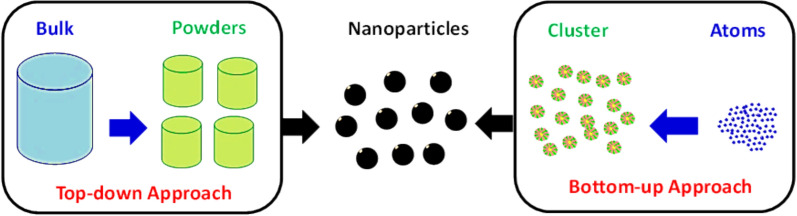
- Abidin MZU, et al. A comprehensive review on the synthesis of ferrite nanomaterials via bottom-up and top-down approaches advantages, disadvantages, characterizations and computational insights. Coord Chem Rev. 2024;520:216158.
Publication types
MeSH terms
Substances
LinkOut - more resources
Full Text Sources
Medical
