


A novel approach for measuring allostatic load highlights differences in stress burdens due to race, sex and smoking status
- PMID: 40455807
- PMCID: PMC12129187
- DOI: 10.1371/journal.pone.0323788
A novel approach for measuring allostatic load highlights differences in stress burdens due to race, sex and smoking status
Abstract
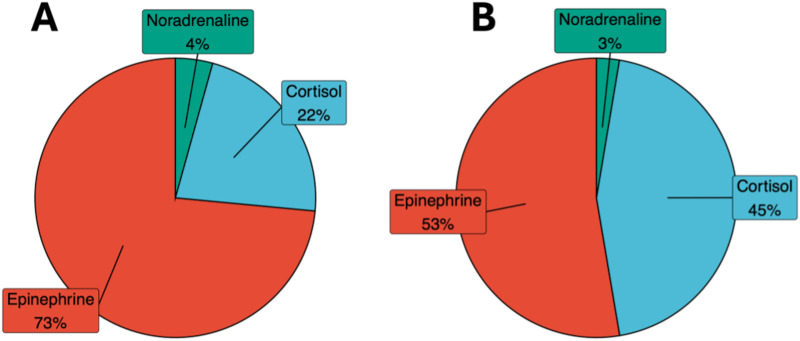
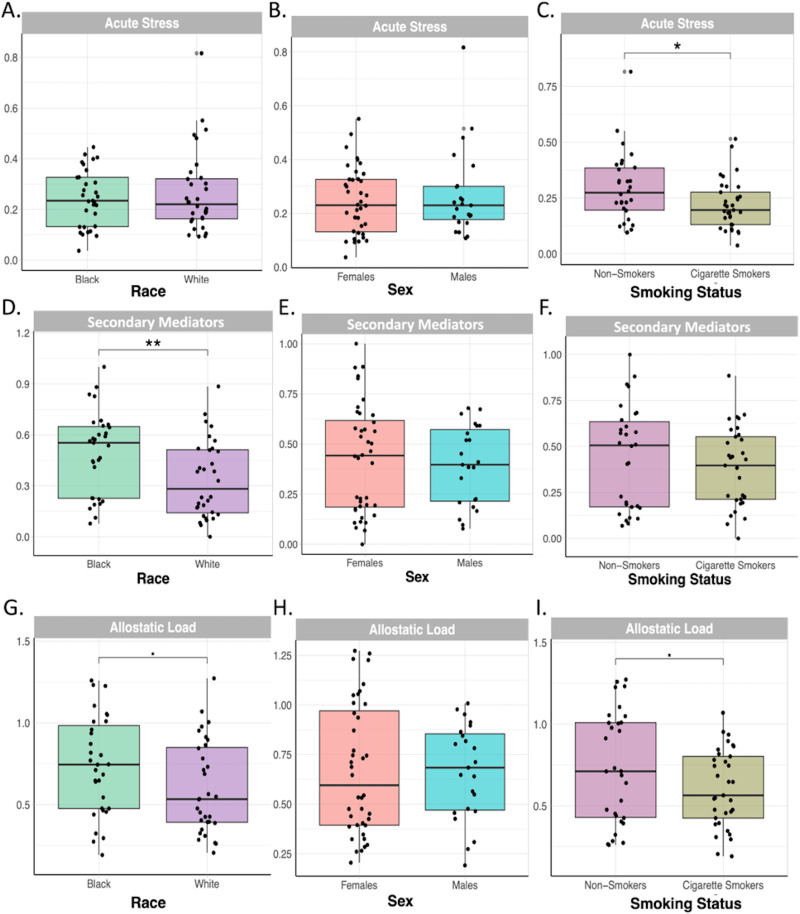
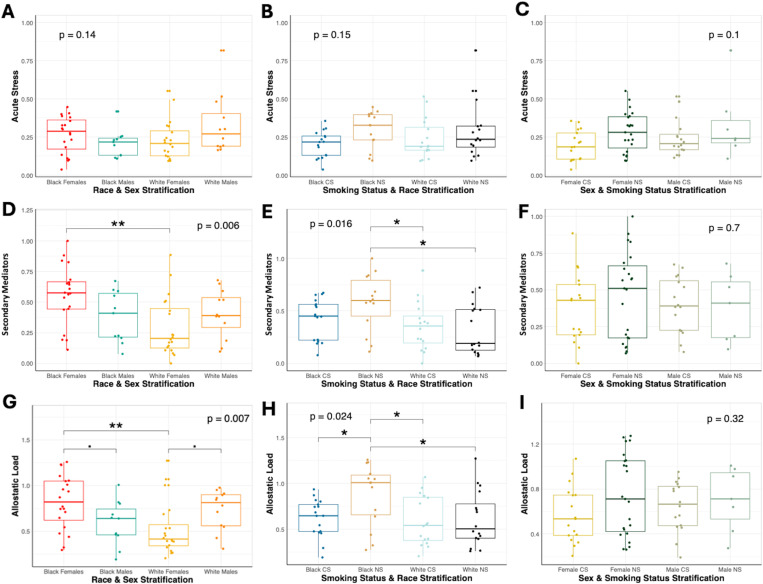
The psychosocial and environmental stressors resulting from adverse social determinants of health (SDOH) can result in allostatic load, or 'wear and tear' on the body due to prolonged stress. Allostatic load serves as a useful tool to measure stress- related biological responses that can be integrated into risk assessments. In this study a novel allostatic load measure was used to investigate the relationship between acute stress, stress-related physiological dysregulation and allostatic load (AL) and various demographic variables. Using a small volume of serum collected from 63 participants, we assessed stress biomarkers through ELISA assays and developed a one-sample, semi-automated method for calculating AL scores derived from the Toxicological Prioritization Index (ToxPi) framework. Our analysis employed ordinal regression models to identify the contributions of primary mediators to predicting blood pressure classification, revealing that epinephrine was the most significant predictor of blood pressure, followed by cortisol. Primarily, our results highlight racial disparities in stress loads, in which Black participants had greater secondary mediator scores, and higher AL compared to White participants. Black females and Black non-smokers had higher physiological dysregulation and allostatic load than White participants. Overall, our study presents a novel scoring approach that facilitates the integration of allostatic load measures from a single clinical sample into environmental health research. It also demonstrates the utility of allostatic load in capturing race and sex differences in stress burdens, with important implications for understanding health disparities and improving risk assessments.
Copyright: This is an open access article, free of all copyright, and may be freely reproduced, distributed, transmitted, modified, built upon, or otherwise used by anyone for any lawful purpose. The work is made available under the Creative Commons CC0 public domain dedication.
Conflict of interest statement
The authors have declared that no competing interests exist.
Figures
References
MeSH terms
Substances
LinkOut - more resources
Full Text Sources
Medical
