


Vibration stimulation enhances robustness in teleoperation robot system with EEG and eye-tracking hybrid control
- PMID: 40458259
- PMCID: PMC12127733
- DOI: 10.3389/fbioe.2025.1591316
Vibration stimulation enhances robustness in teleoperation robot system with EEG and eye-tracking hybrid control
Abstract
Introduction: The application of non-invasive brain-computer interfaces (BCIs) in robotic control is limited by insufficient signal quality and decoding capabilities. Enhancing the robustness of BCIs without increasing the cognitive load remains a major challenge in brain-control technology.
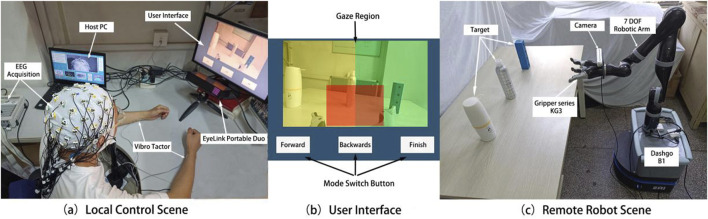
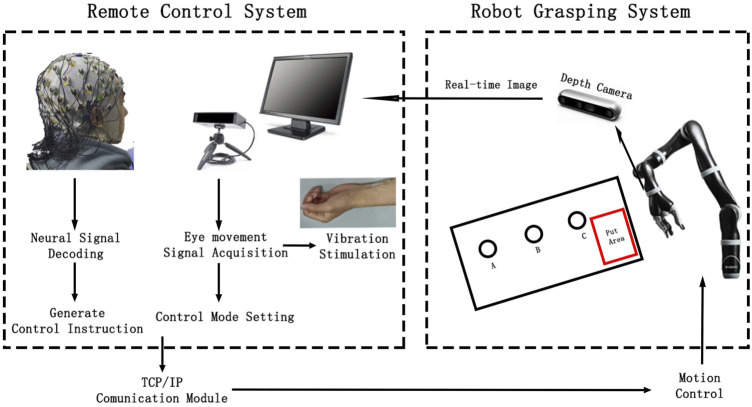
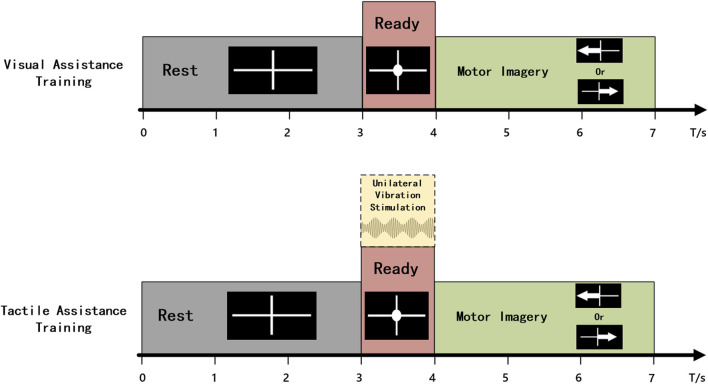
Methods: This study presents a teleoperation robotic system based on hybrid control of electroencephalography (EEG) and eye movement signals, and utilizes vibration stimulation to assist motor imagery (MI) training and enhance control signals. A control experiment involving eight subjects was conducted to validate the enhancement effect of this tactile stimulation technique.
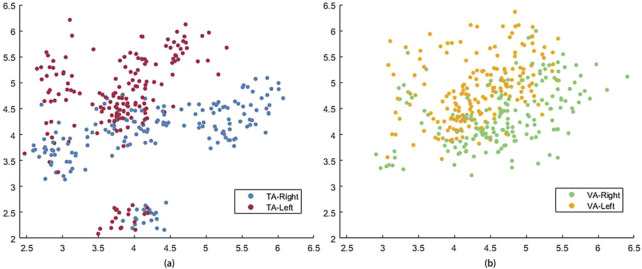
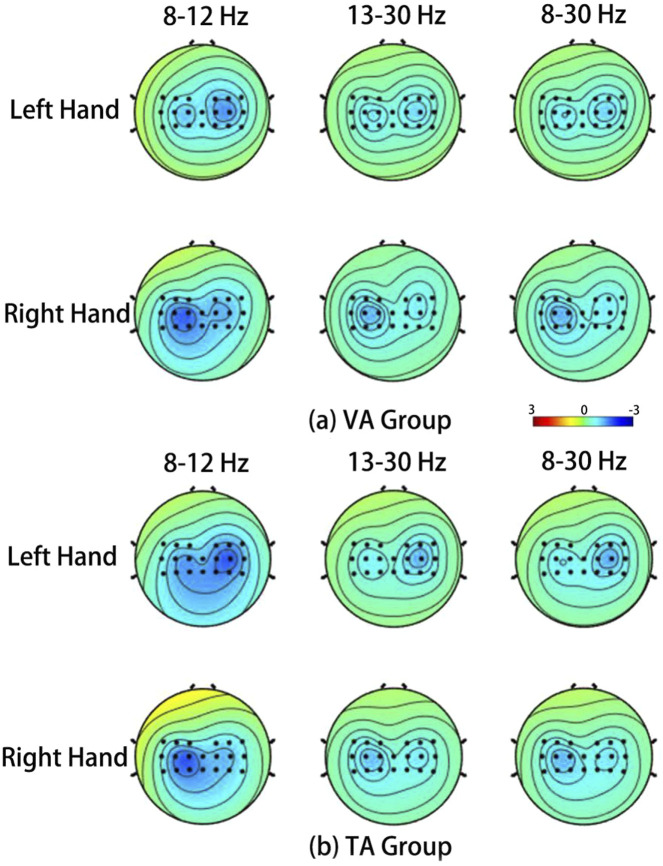
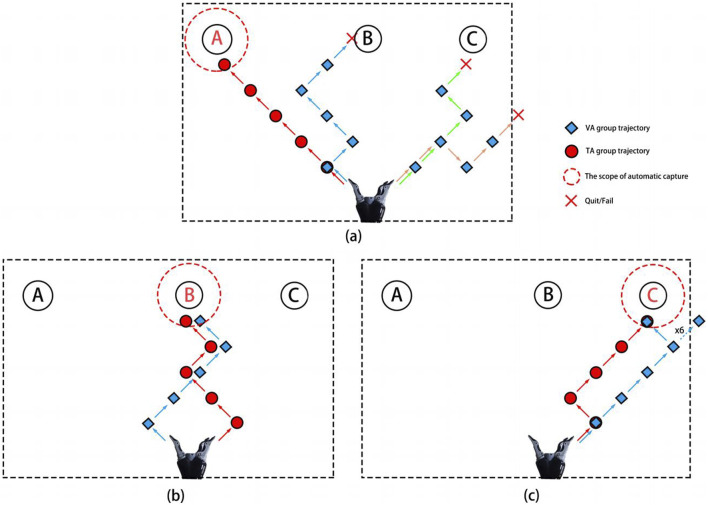
Results: Experimental results showed that during the MI training phase, the addition of vibration stimulation improved the brain region activation response speed in the tactile group, enhanced the activation of the contralateral motor areas during imagery of non-dominant hand movements, and demonstrated better separability (p = 0.017). In the robotic motion control phase, eye movement-guided vibration stimulation effectively improved the accuracy of online decoding of MI and enhanced the robustness of the control system and success rate of the grasping task.
Discussion: The vibration stimulation technique proposed in this study can effectively improve the training efficiency and online decoding rate of MI, helping users enhance their control efficiency while focusing on control tasks. This tactile enhancement technology has potential applications in robot-assisted elderly care, rehabilitation training, and other robotic control scenarios.
Keywords: brain-computer interface; eye tracking; motor imagery; teleoperation robot; vibrotactile stimulation.
Copyright © 2025 Zhang, Wang, Qin, Xu, Hu, Wang and Shen.
Conflict of interest statement
The authors declare that the research was conducted in the absence of any commercial or financial relationships that could be construed as a potential conflict of interest.
Figures


References
LinkOut - more resources
Full Text Sources
