


Study protocol for a multimethod investigation of the development of social and nonsocial reward responsivity and depression in autistic adolescents: Reward and Depression in Autism (RDA)
- PMID: 40468369
- PMCID: PMC12139080
- DOI: 10.1186/s40359-025-02911-w
Study protocol for a multimethod investigation of the development of social and nonsocial reward responsivity and depression in autistic adolescents: Reward and Depression in Autism (RDA)
Abstract
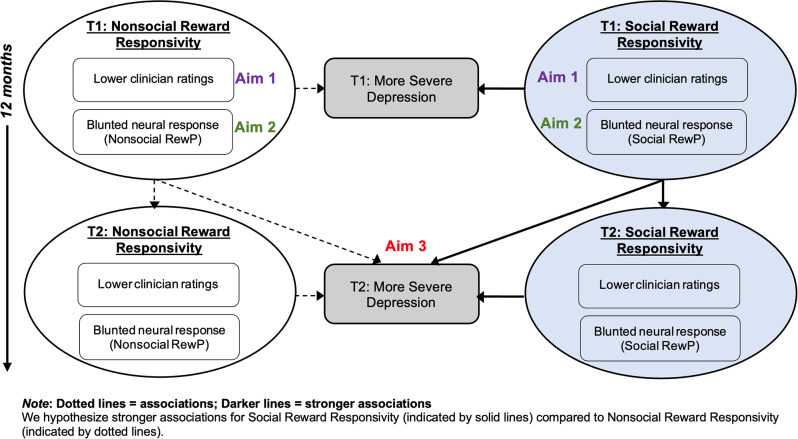
Background: Autistic adolescents are more likely to experience depression than their non-autistic peers, yet risk factors for depression in autistic adolescents are not well understood. Better mechanistic knowledge of depression in autistic adolescents is critical to understanding higher prevalence rates and developing targeted interventions. Altered reward responsiveness and social processes, as assessed by clinical and neural measures [i.e., electroencephalography (EEG)], are important risk factors for depression in non-autistic adolescents that remain largely unexplored in autistic adolescents, even though autistic people have higher rates of depression, exhibit reward differences, and often experience difficulties in social interactions. Therefore, a multimethod investigation of social and nonsocial reward responsivity and their associations with depression symptoms in autistic adolescents, particularly over time, is needed.
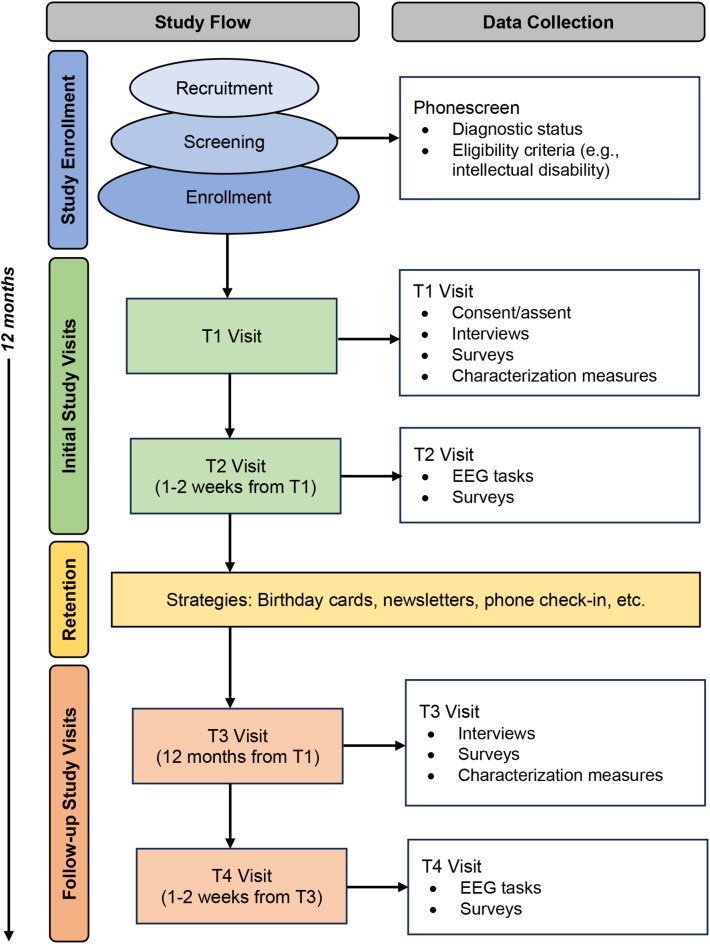
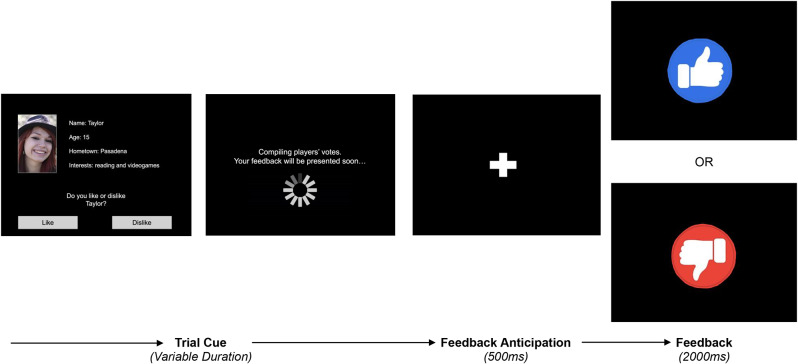
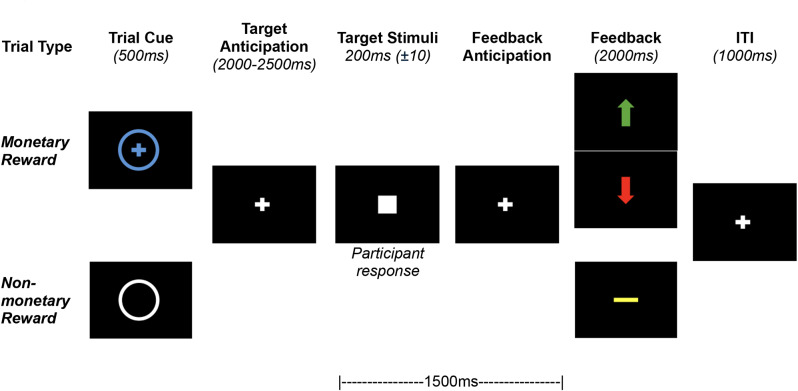
Methods: The current project will employ clinical and neural measures (i.e., interviews, EEG tasks) of social and nonsocial reward responsivity and depression to test associations between these constructs in autistic adolescents for the first time. A clinical sample of 100 autistic adolescents (14-17 years old) without intellectual disability and with varying severity of depression symptoms (at least 50% with current depression) will be recruited. Clinical and neural measures will be administered at two timepoints one year apart. Planned analyses will test cross-sectional and longitudinal relations between clinical and neural measures of reward responsivity and depression symptoms.
Discussion: This systematic study of reward responsivity and depression in autistic adolescents is likely to advance our collective understanding of depression in this population by informing risk stratification models and identifying potential intervention targets. Findings may also establish the reliability of several clinical and neural measures of reward responsivity in this population that can eventually be used to measure treatment outcome and identify predictors of treatment response.
Keywords: Adolescent; Autism; Depression; Electroencephalogram; Longitudinal; Reward responsivity.
© 2025. The Author(s).
Conflict of interest statement
Declarations. Ethics approval and consent to participate: Data collection was approved by the Institutional Review Board at Children’s Hospital Los Angeles (Protocol #CHLA-22-00278). All procedures performed in studies involving human participants were in accordance with the ethical standards of the institutional and/or national research committee and with the 1964 Helsinki declaration and its later amendments or comparable ethical standards. Verbal and written informed consent and assent were collected from participants prior to the start of any study activities. Consent for publication: Not applicable. Competing interests: The authors declare no competing interests.
Figures
References
-
- Gonzálvez C, Kearney CA, Jiménez-Ayala CE, Sanmartín R, Vicent M, Inglés CJ, et al. Functional profiles of school refusal behavior and their relationship with depression, anxiety, and stress. Psychiatry Res. 2018;269:140–4. - PubMed
-
- Moussavi S, Chatterji S, Verdes E, Tandon A, Patel V, Ustun B. Depression, chronic diseases, and decrements in health: results from the world health surveys. Lancet. 2007;370(9590):851–8. - PubMed
-
- Clayborne ZM, Varin M, Colman I. Systematic review and Meta-Analysis: adolescent depression and Long-Term psychosocial outcomes. J Am Acad Child Adolesc Psychiatry. 2019;58(1):72–9. - PubMed
MeSH terms
Grants and funding
LinkOut - more resources
Full Text Sources
Medical
