This is a preprint.
LAP-Hsp60 complex modulates epithelial tight junction barrier
- PMID: 40470176
- PMCID: PMC12136220
- DOI: 10.21203/rs.3.rs-6474377/v1
LAP-Hsp60 complex modulates epithelial tight junction barrier
Abstract
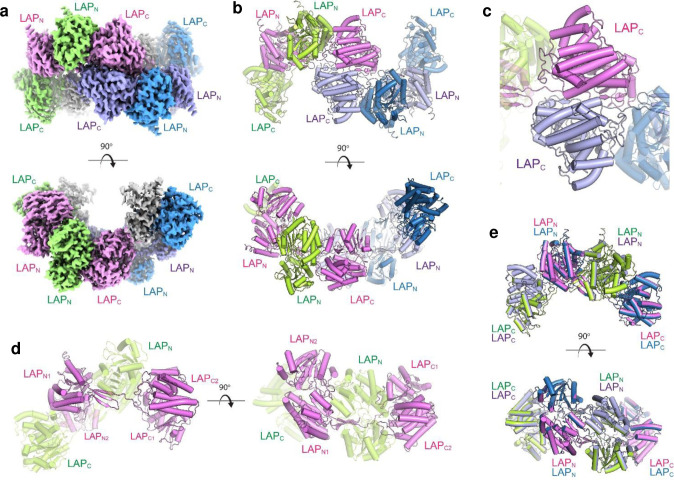
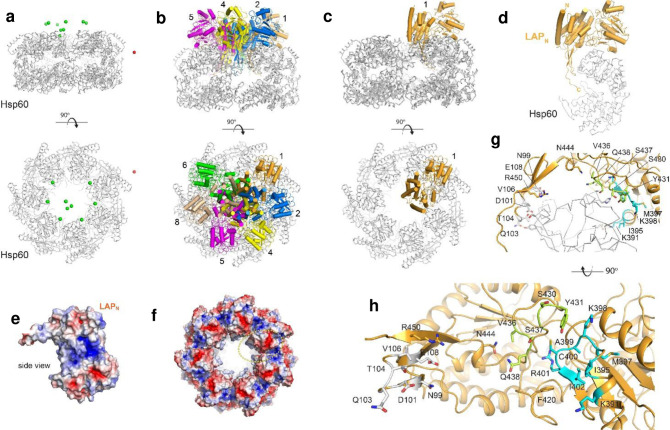
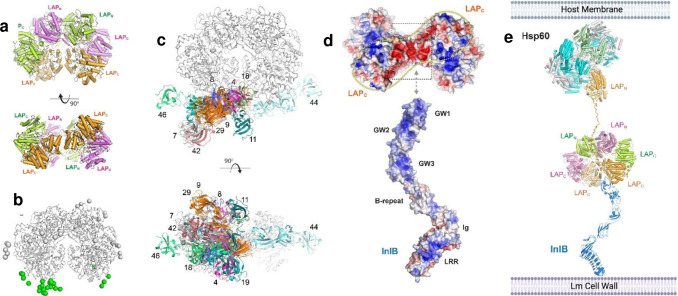
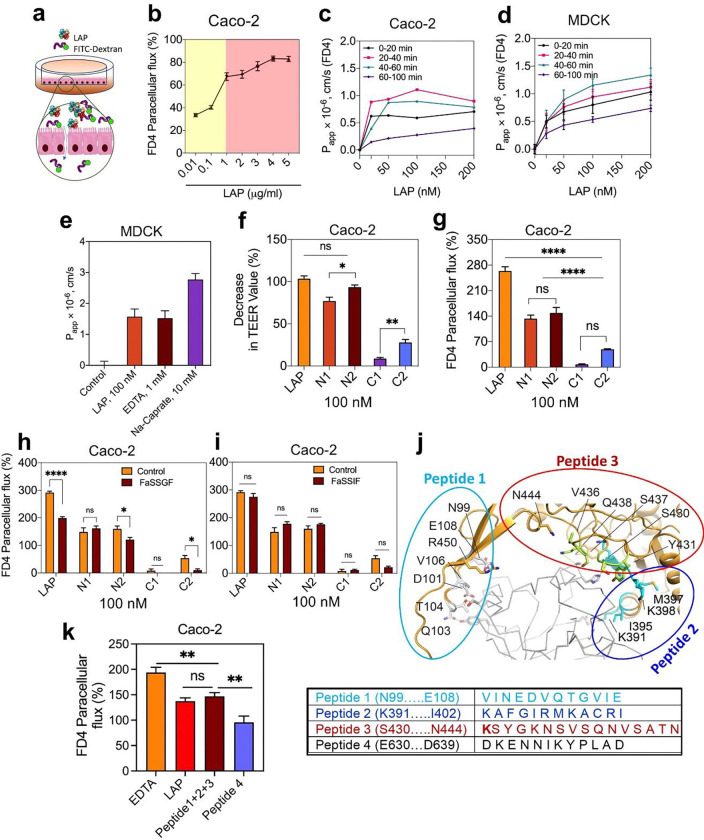
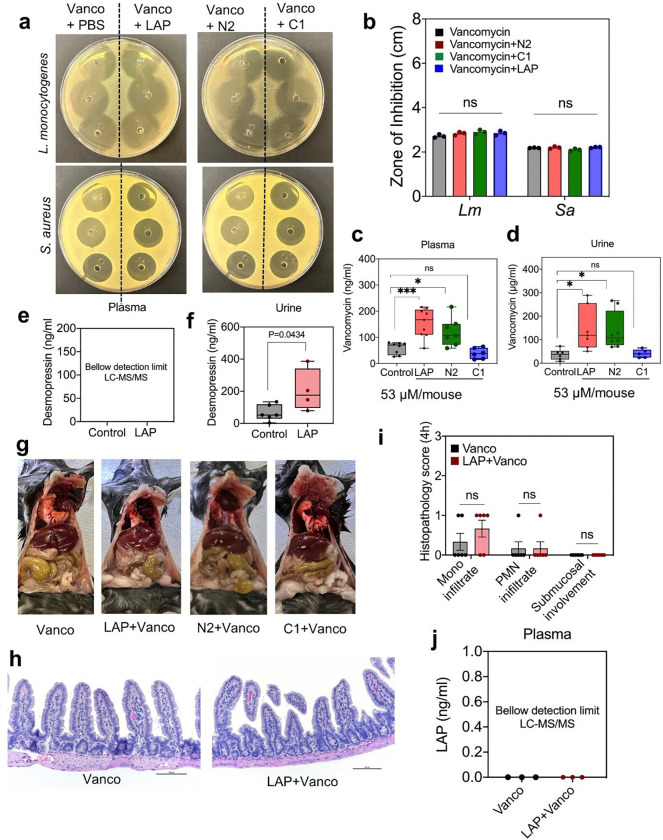
During infection, Listeria adhesion protein (LAP), a housekeeping enzyme, acts as a tight junction modulator (TJM) through interaction with Hsp60 to facilitate Listeria monocytogenes translocation across the intestinal epithelial barrier. Here, we used purified LAP as a potential TJM to overcome the limiting and variable effects observed by other agents in the class. We structurally determined the LAP interaction alone and in complex with Hsp60 utilizing cryo-EM and computational analysis. LAP structure resolved at 2.83 Å, forms multimeric interlocking dimers and tetramers, and the N-domain interacts with Hsp60, while the C-domain bridges bacterial surface receptor InlB. The structural studies complement LAP-mediated cyclic peptide drugs (vancomycin and desmopressin) absorption across the intestinal barrier in a mouse model without inducing inflammation or adverse effects on the TJ architecture. This study demonstrates that the LAP-Hsp60 complex is the basis for downstream utilization of LAP or peptide mimetics as promising TJM for improved peroral biologics delivery.
Keywords: Hsp60; LAP; cryo-EM; mouse; peptide drug delivery; structure-function; tight junction modulator.
Conflict of interest statement
Conflict of Interest A patent on LAP use as a tight junction modulator, “Peptide-mediated drug delivery across epithelial barrier,” U.S. Patent No. 10,632,208 has been issued.
Figures


References
-
- Mitra B., et al. Feasibility of mini-tablets as a flexible drug delivery tool. Int. J. Pharamaceutics 525, 149–159 (2017). - PubMed
Publication types
Grants and funding
LinkOut - more resources
Full Text Sources
Research Materials
Miscellaneous