


Influence of PEEK surface modification with titanium for improving osseointegration: an in vitro study
- PMID: 40473857
- PMCID: PMC12141525
- DOI: 10.1038/s41598-025-05214-7
Influence of PEEK surface modification with titanium for improving osseointegration: an in vitro study
Abstract
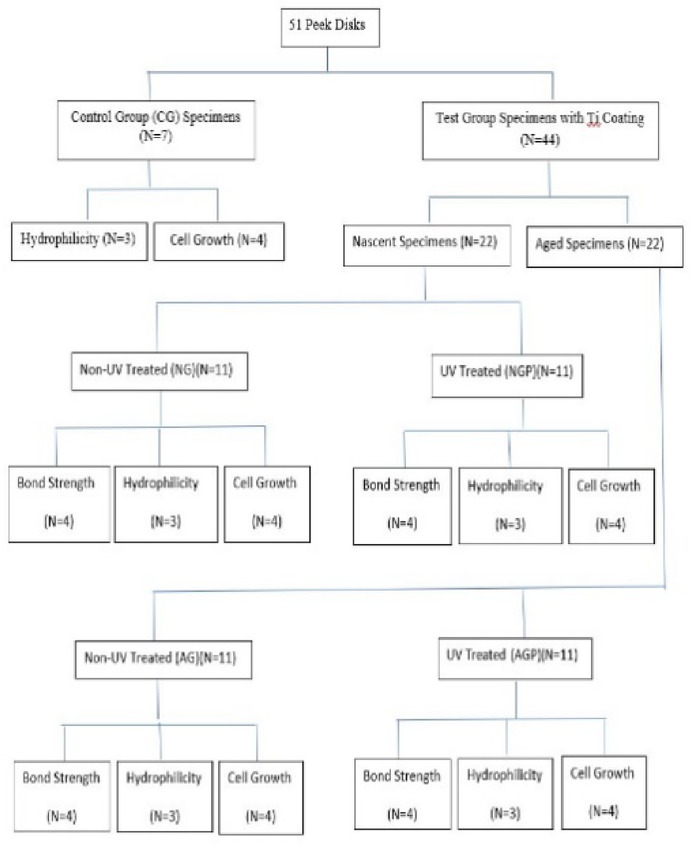
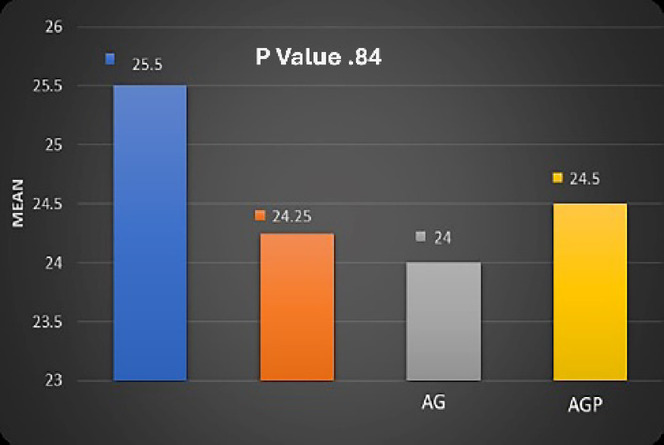
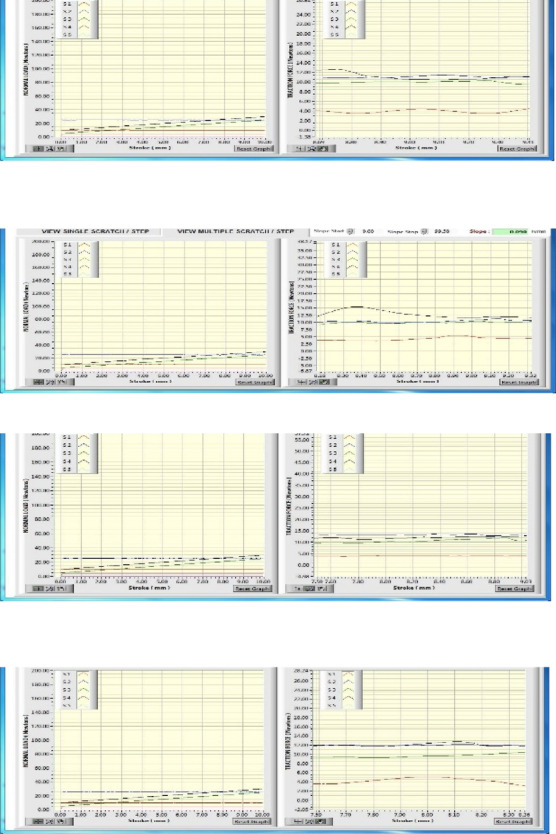
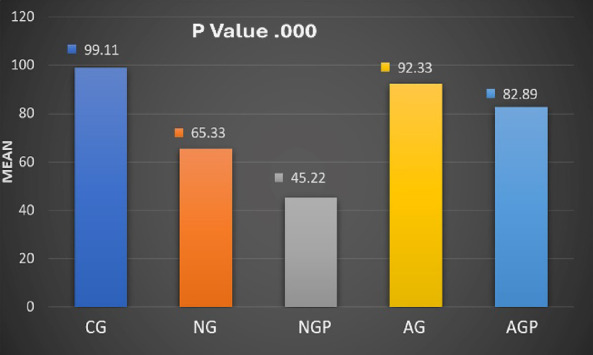
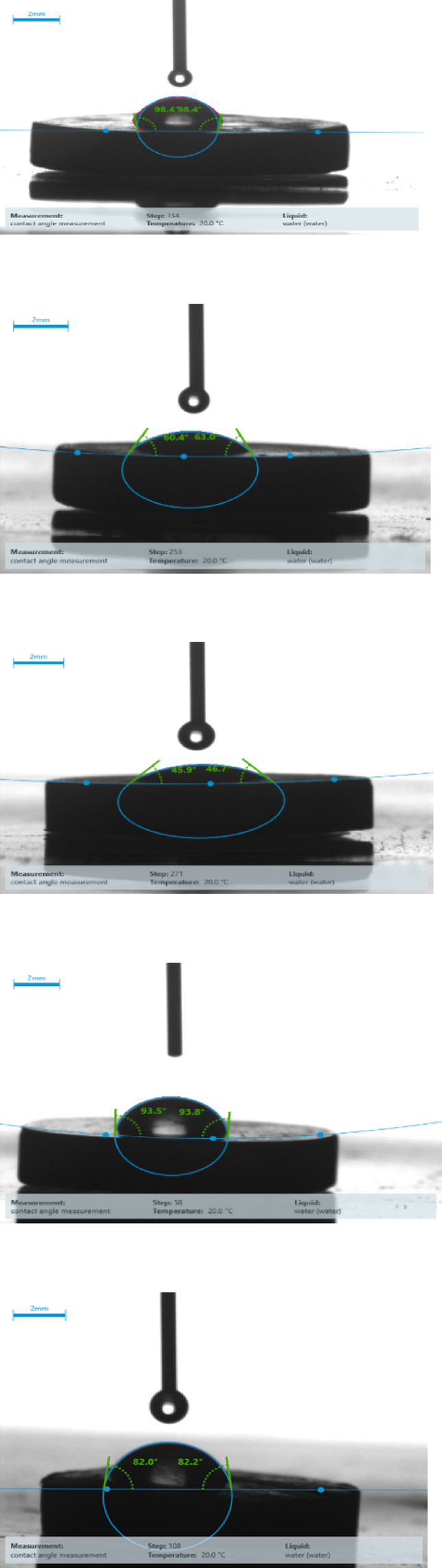
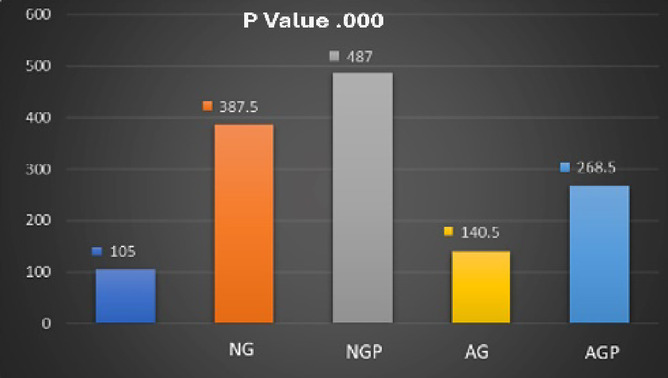
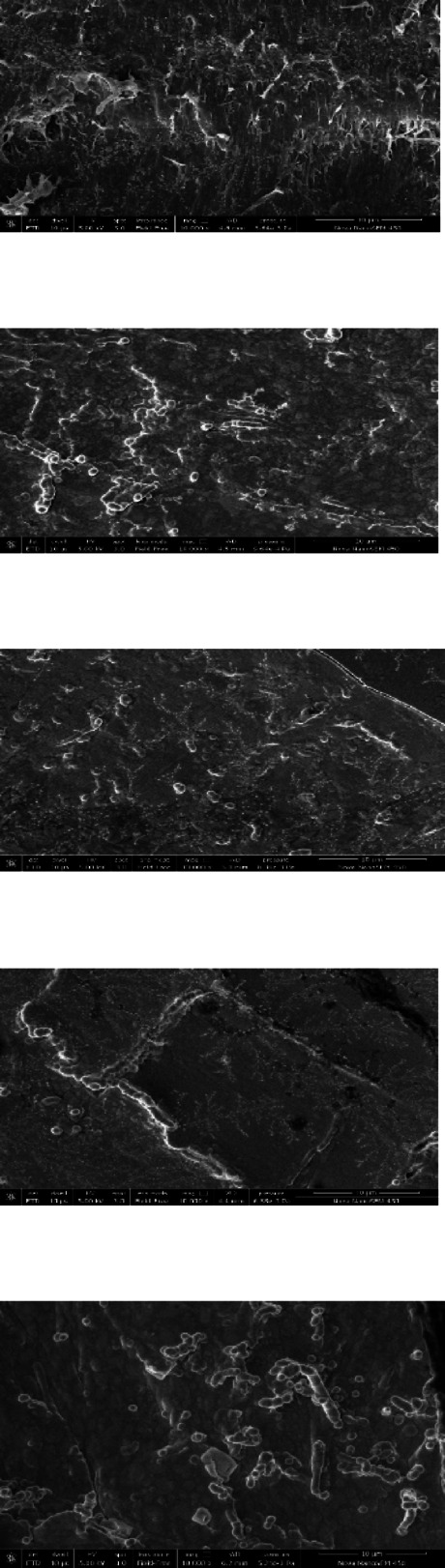
This study aimed to examine the impact of PEEK surface modification with titanium to enhance osseointegration. The assessment included the bond strength of the TiO2 surface coating, as well as an analysis of the hydrophilicity and cell adhesion properties of TiO2-coated PEEK. The study also explored whether aging affected TiO2-coated PEEK. The study used 51 disk specimens of ceramic-reinforced PEEK, prepared by wet milling. The disk surfaces were polished and divided into three groups based on surface modification or treatment. The control group (CG) included seven specimens without TiO2 coating. The nascent group included 22 TiO2-surface-coated specimens, subdivided equally into the untreated nascent group (NG) and the photo-functionalized, UV-treated nascent group (NGP). The remaining specimens were aged for four weeks and similarly divided into the untreated aged group (AG) and the photo-functionalized, UV-treated aged group (AGP). In the CG, three specimens were evaluated for hydrophilicity, and the remaining four for stem cell culture. For the NG, NGP, AG, and AGP groups, three specimens were evaluated for hydrophilicity, while four specimens were assessed for cell growth and TiO2 coating bond strength. Bond strength was evaluated using a scratch test, showing an average strength of 24.56 ± 2.28 MPa, with no significant difference between groups. Hydrophilicity was measured via contact angle, revealing that untreated ceramic-reinforced PEEK exhibited hydrophobic properties (99.11 ± 1.07 degrees). The NGP group had the lowest contact angle, indicating the highest wettability. The cell adhesion test showed that NGP had the highest number of adhered cells, followed by NG, AGP, AG, and CG. The study suggests that TiO2-coated PEEK can serve as a biocompatible, hydrophilic material with improved wettability and osteoblastic cell adhesion.
© 2025. The Author(s).
Conflict of interest statement
Declarations. Competing interests: The authors declare no competing interests.
Figures
References
MeSH terms
Substances
LinkOut - more resources
Full Text Sources
