


A critical evaluation, challenges, and future perspectives of using artificial intelligence and emerging technologies in smart classrooms
- PMID: 40478141
- PMCID: PMC9900563
- DOI: 10.1186/s40561-023-00231-3
A critical evaluation, challenges, and future perspectives of using artificial intelligence and emerging technologies in smart classrooms
Abstract
The term "Smart Classroom" has evolved over time and nowadays reflects the technological advancements incorporated in educational spaces. The rapid advances in technology, and the need to create more efficient and creative classes that support both in-class and remote activities, have led to the integration of Artificial Intelligence and smart technologies in smart classes. In this paper we discuss the concept of Artificial Intelligence in Education and present a literature review related to smart classroom technology, with an emphasis on emerging technologies such as AI-related technologies. As part of this survey key technologies related to smart classes used for effective class management that enhance the convenience of classroom environments, the use of different types of smart teaching aids during the educational process and the use of automated performance assessment technologies are presented. Apart from discussing a variety of technological accomplishments in each of the aforementioned areas, the role of AI is discussed, allowing the readers to comprehend the importance of AI in key technologies related to smart classes. Furthermore, through a SWOT analysis, the Strengths, Weaknesses, Opportunities, and Threats of adopting AI in smart classes are presented, while the future perspectives and challenges in utilizing AI-based techniques in smart classes are discussed. This survey targets educators and AI professionals so that the former get informed about the potential, and limitations of AI in education, while the latter can get inspiration from the challenges and peculiarities of educational AI-based systems.
Keywords: Artificial intelligence; Educational technology; Emerging technologies; Smart classroom; Smart environment.
© The Author(s) 2023.
Conflict of interest statement
Competing interestsThe authors have no financial or proprietary interests in any material discussed in this article.
Figures

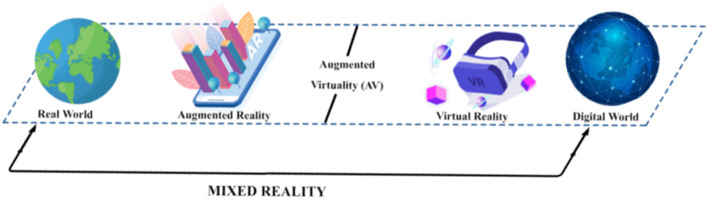
References
-
- Abbasy, M. B., & Quesada, E. V. (2017). Predictable influence of IoT in the higher education. International Journal of Information and Education Technology.
-
- Abd-Elaal, E. S., Gamage, S. H., & Mills, J. E. (2019). Artificial intelligence is a tool for cheating academic integrity. In 30th Annual Conference for the Australasian Association for Engineering Education, (pp. 397–403).
-
- Abdel-Basset, M., Manogaran, G., Mohamed, M., & Rushdy, E. (2019). Internet of things in smart education environment: Supportive framework in the decision-making process. Concurrency and Computation: Practice and Experience,31(10), e4515.
-
- Adams, J. C., & Hotrop, J. (2008). Building an economical VR system for CS education. ACM SIGCSE Bulletin,40(3), 148–152.
-
- Agarwal, A., Naidu, V. R., & Al Mamari, R. (2019). A framework to enhance learning experience in flipped classroom based on student accountability towards active participation. EDULEARN19 Proceedings, 1, 1569-1577.
Publication types
LinkOut - more resources
Full Text Sources
Research Materials