


Challenges and successes in promoting gender equality through physical education and sports: a systematic review
- PMID: 40481444
- PMCID: PMC12143033
- DOI: 10.1186/s12889-025-23373-0
Challenges and successes in promoting gender equality through physical education and sports: a systematic review
Abstract
Background: Physical education and sport can contribute to gender equality by supporting physical, mental, and social well-being. However, persistent challenges, including social norms, gender discrimination, and structural barriers, continue to limit progress in these areas.
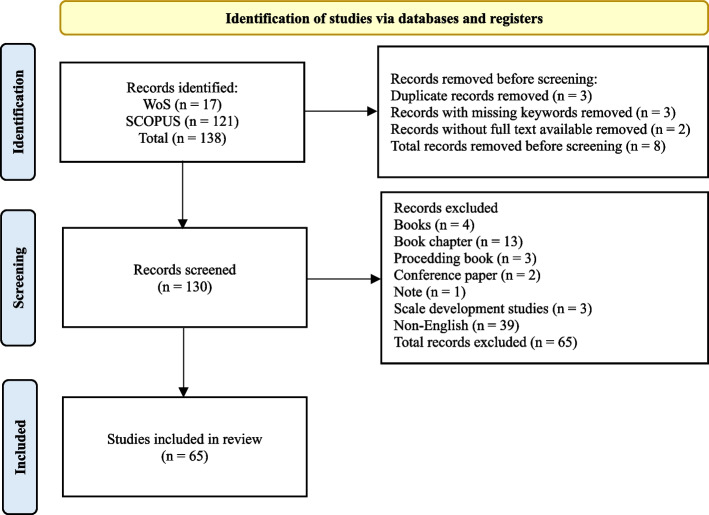
Methods: This study used a systematic review methodology following the PRISMA protocol. A thematic analysis of 65 relevant studies was carried out to examine the progress and ongoing challenges in advancing gender equality through physical education and sports.
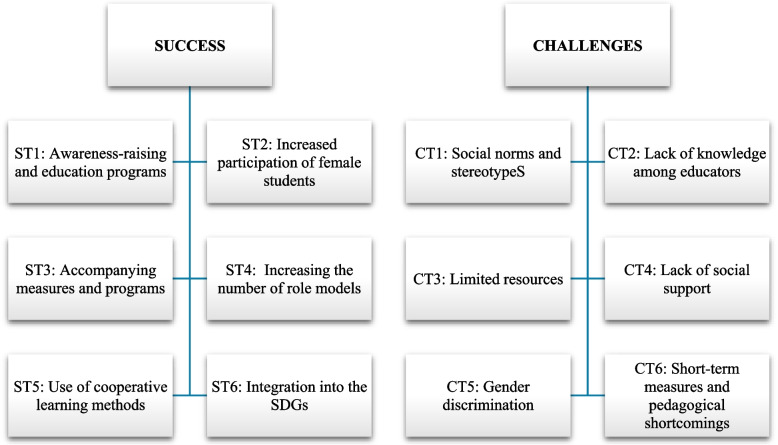
Results: The analysis indicates that educational programmes, progressive policies, and innovative teaching methods have contributed to advancing gender equality, particularly through increased representation of female athletes and leaders, who serve as influential role models. However, these positive developments face challenges, including limited resources, educators' insufficient awareness of gender issues, and the short-term nature of many interventions.
Conclusion: The findings highlight the essential need for long-term systemic strategies aimed at amplifying educator awareness, fortifying women's leadership opportunities, and dismantling structural inequities. Future research must prioritize the development of culturally responsive interventions and an in-depth examination of varied socioeconomic contexts to forge more inclusive and sustainable pathways to achieving gender equality in physical education and sports.
Trial registration: The completed PRISMA checklist is provided as a supplementary file and is also available via the Figshare repository: https://figshare.com/s/a088d4ef6e3b26cfd987.
Keywords: Challenges; Discrimination; Gender equality; Physical education and sport; Sports policy; Successes.
© 2025. The Author(s).
Conflict of interest statement
Declarations. Ethics approval and consent to particpate: This systematic review used publicly available data and adhered to the PRISMA guidelines. All sources were properly cited in accordance with academic integrity standards. Although no ethics committee approval was required for this review of the literature, the study followed international guidelines for ethical research work. Consent for publication: Not applicable. Competing interests: The authors declare no competing interests.
Figures
References
-
- United Nations. General Assembly resolution A/RES/70/1: Transforming our world: The 2030 agenda for sustainable development 2015. https://undocs.org/A/RES/70/1. Accessed 10 Nov 2024.
-
- UNESCO. What you need to know about how UNESCO advances education and gender equality. 2025. https://www.unesco.org/en/gender-equality/education/need-know . Accessed 5 Mar 2025.
-
- UNESCO. Sport and gender equality game plan: Guidelines for gender-transformative sport policies and programmes. UNESCO. 2024. 10.18356/9789231006920.
-
- del Castillo Andrés Ó, Granados SR, Ramírez TG, del Carmen Campos Mesa M. Gender equity in physical education: The use of language. Motriz: Rev Educ Fis. 2014;20:239–48. 10.1590/S1980-65742014000300001.
Publication types
MeSH terms
LinkOut - more resources
Full Text Sources
