


High indoor temperatures increase reporting of acute symptoms: finding mitigating solutions for the climate-vulnerable of Bangladesh
- PMID: 40481472
- PMCID: PMC12143104
- DOI: 10.1186/s12889-025-21597-8
High indoor temperatures increase reporting of acute symptoms: finding mitigating solutions for the climate-vulnerable of Bangladesh
Abstract
Background: Bangladesh is already prone to extreme weather events like heatwaves, leaving millions vulnerable. High ambient temperatures are associated with increased morbidity and mortality by infectious diseases, but the effect of these high temperatures indoors remains to be studied.
Objective: This study investigated the effect of high indoor temperatures on the feelings of illness and heat coping mechanisms in vulnerable populations without heat mitigation.
Methods: A cross-sectional survey was conducted in 490 houses in rural villages in the coastal area of Chakaria, Bangladesh chosen through stratified cluster sampling. It assessed the feelings of illness and their adaptative behaviour to high temperatures. There were 49 temperature and humidity monitors placed indoors to obtain accurate measurements of these parameters in different areas and with different house materials. This information was used to determine the effect of high indoor temperatures on the symptoms that vulnerable populations reported.
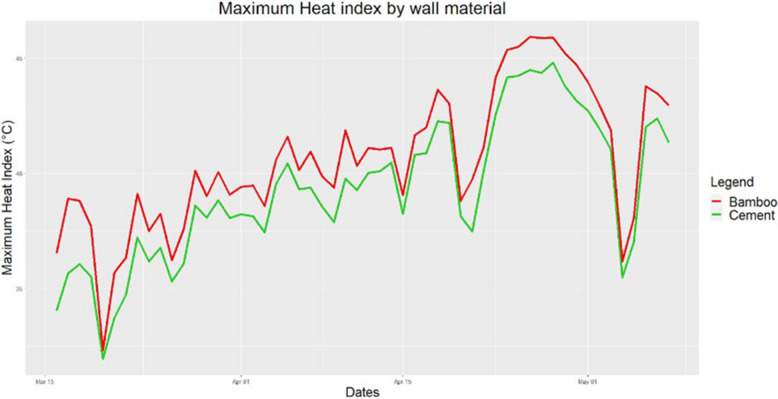
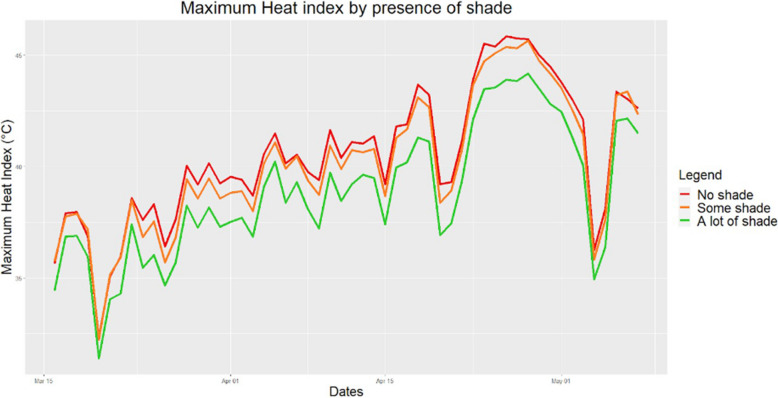
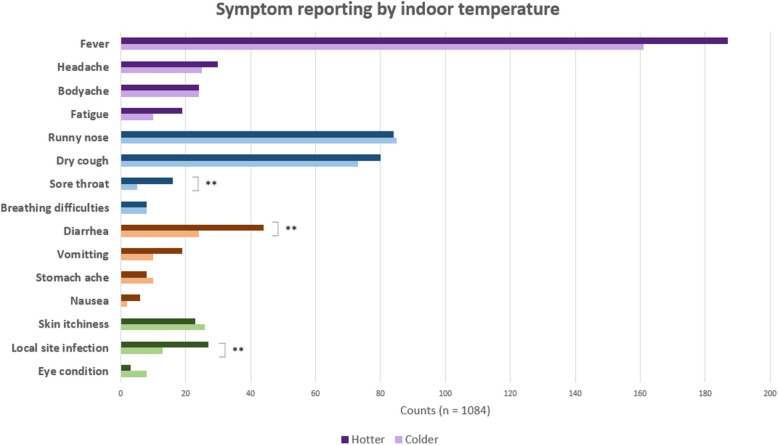
Results: People living in hotter houses reported overall more symptoms, notably, diarrhoea, local site infections and sore throat. Temperatures were higher in houses made of bamboo compared to cement and having shade significantly decreased indoor temperature. Most women in the study reported performing adequate heat coping mechanisms. However, these did not show a protective effect against illness.
Conclusion: This paper showed that high indoor temperatures could be associated with an increase in symptoms. Housing characteristics (material and environment) decreased indoor temperature. Having shading and a house made from cement was protective to reporting symptoms. Further studies into the compliance of coping behaviours are needed to assess their potential protective effect.
Keywords: Acute symptoms; Climate change; Extreme temperatures; Heat index; Mitigating measures; Rural; Vulnerable populations; Women.
© 2025. The Author(s).
Conflict of interest statement
Declarations. Ethics approval and consent to participate: The studies involving human participants were reviewed and approved by Ethical Review Committee of International Centre for Diarrhoeal Disease Research, Bangladesh (icddr,b). The patients/participants provided their written informed consent to participate in this study. Consent for publication: All authors consents to publication of the work. Competing interests: The authors declare no competing interests.
Figures
References
-
- Eckstein D, Künzel V, Schäfer L. The global climate risk index 2021: Bonn: Germanwatch; 2021.
-
- Mossammat Ayesha Khatun, Md. Bazlur Rashid, Hygen HO. Climate of Bangladesh: MET report; 2016.
-
- Hashizume M, Armstrong B, Wagatsuma Y, Faruque AS, Hayashi T, Sack DA. Rotavirus infections and climate variability in Dhaka, Bangladesh: a time-series analysis. Epidemiol Infect. 2008;136(9):1281–9. 10.1017/S0950268807009776. (Epub 20071108. PubMed PMID: 17988426; PubMed Central PMCID: PMC2870922. - DOI - PMC - PubMed
MeSH terms
LinkOut - more resources
Full Text Sources
