


Influence of slaughter age on meat quality, metabolite and volatile organic compound changes in Lueyang black-bone chickens
- PMID: 40483908
- PMCID: PMC12174599
- DOI: 10.1016/j.psj.2025.105390
Influence of slaughter age on meat quality, metabolite and volatile organic compound changes in Lueyang black-bone chickens
Abstract
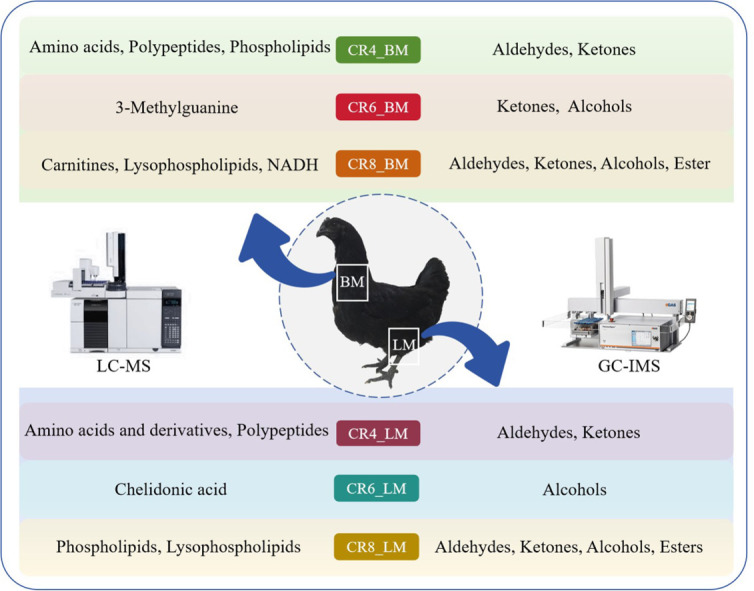
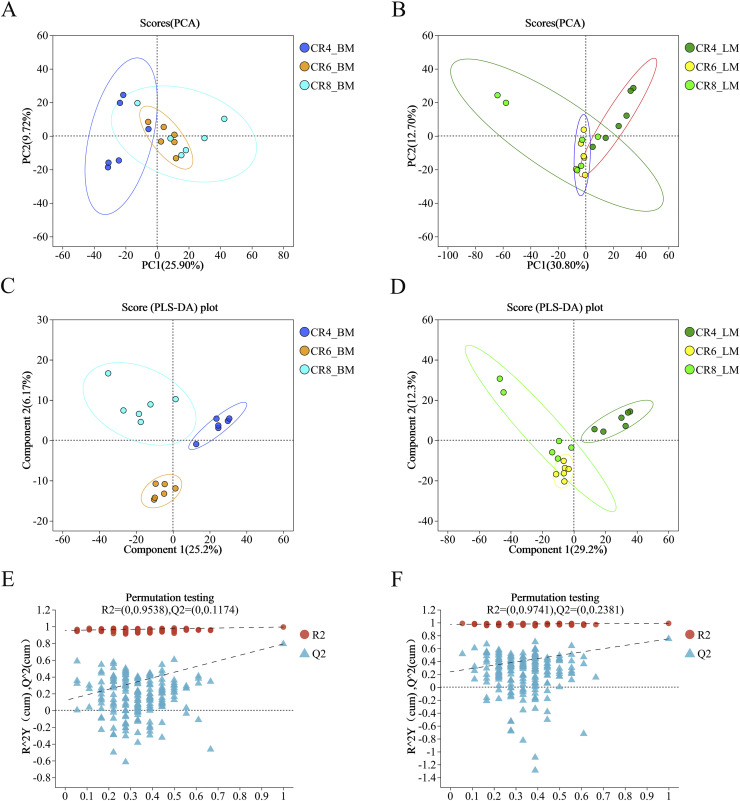
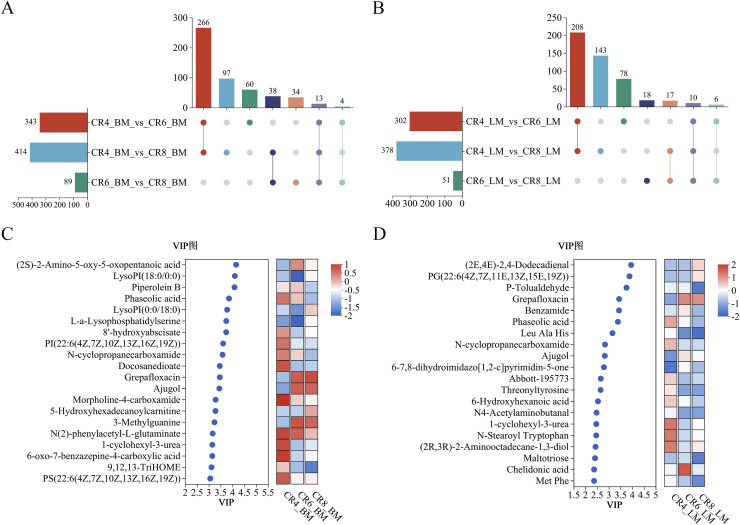
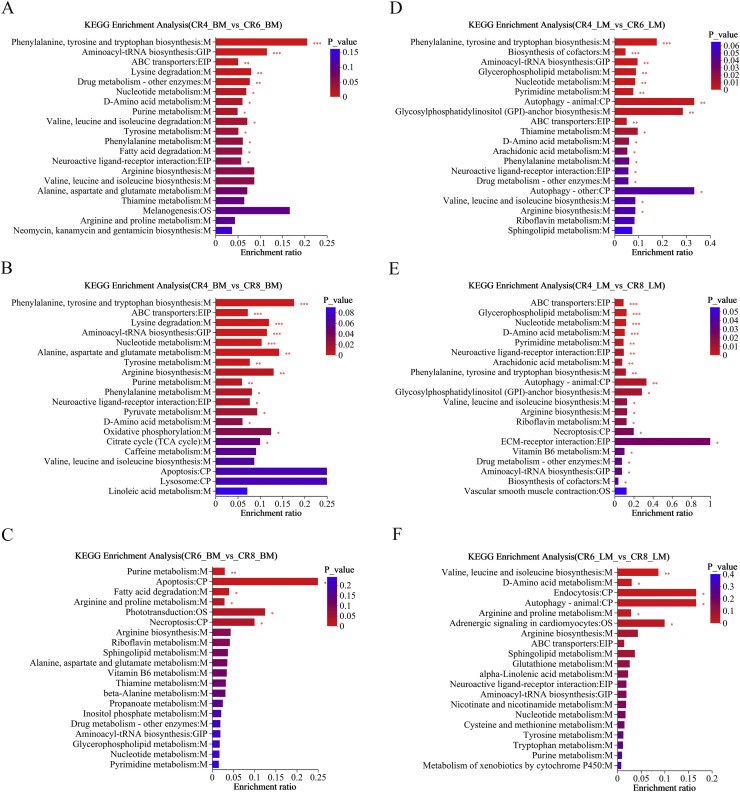
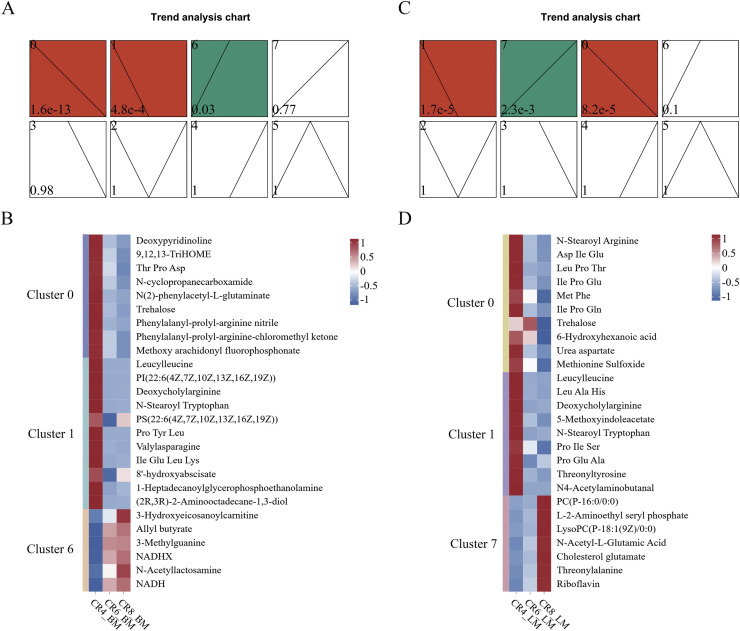
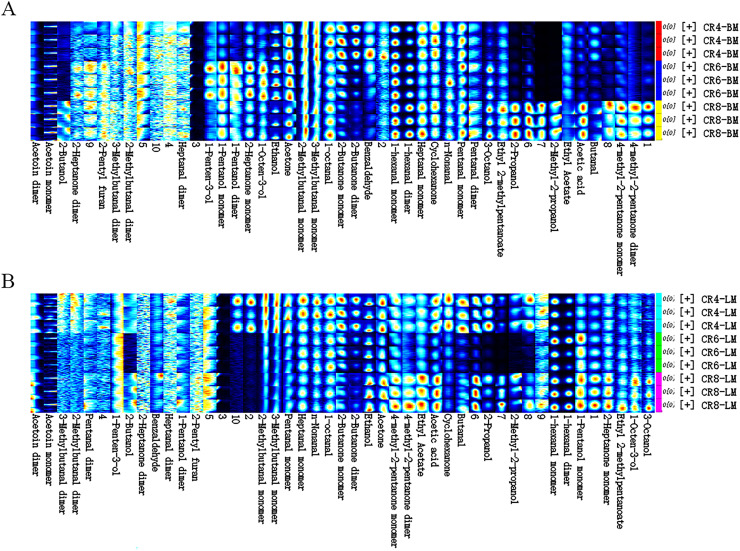
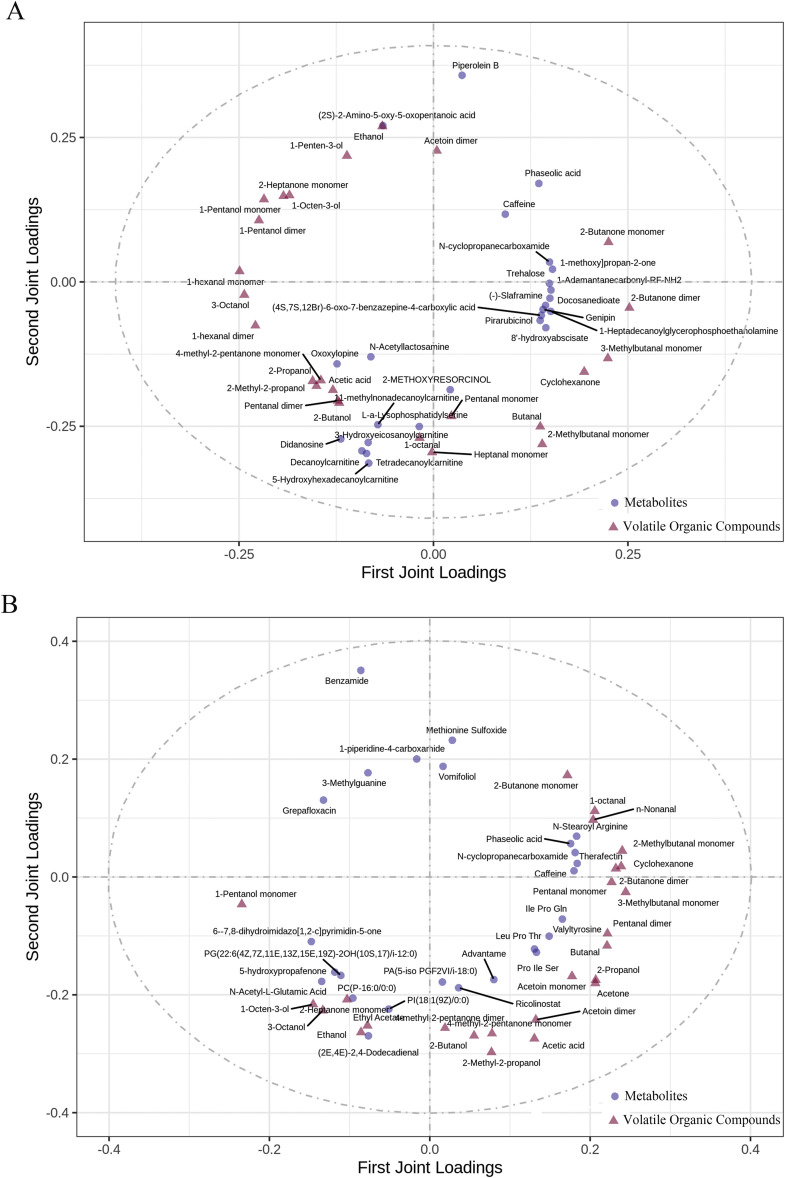
With the increasing demand for high-quality poultry products, optimizing slaughter age is crucial for balancing meat yield, texture, and flavor. Lueyang black-bone chicken is a slow growing strain and prized for its superior nutritional value, yet the influence of age on meat quality and flavor profiles remains insufficiently characterized. This study systematically evaluated the effects of slaughter age (4,6, and 8 months) on carcass traits, metabolites, and volatile organic compound profiles in breast and leg muscles. Key findings revealed that the carcass yield of Lueyang black-bone chickens tended to stabilize at 6 months of age, while shear force as a key indicator of meat tenderness increased progressively with age. Metabolomic analysis demonstrated that younger chickens (4 months) exhibited higher levels of bioactive peptides (Asp-Ile-Glu, Leu-Pro-Thr, Ile-Pro-Glu, Ile-Pro-Gln) and phospholipids (phosphatidylinositol and phosphatidylserine). Meanwhile, the breast and leg muscles of 4 months chickens contained significantly higher amounts of aldehydes and ketones, contributing to enhanced umami and sweet taste profiles. In contrast, older chickens (8 months) exhibited significantly elevated levels of carnitine derivatives, which enhanced lipid oxidation and facilitated the generation of lipid-derived volatile organic compounds, resulting in a more pronounced and complex aromatic profile. Notably, metabolic differences between 6-month and 8-month chickens were minimal, suggesting that major biochemical shifts occur before 6 months of age. These findings provide valuable guidance for poultry producers in selecting optimal slaughter age based on desired meat attributes.
Keywords: Physicochemical features; Slaughter age; Slow growing chicken; Untargeted metabolomics.
Copyright © 2025. Published by Elsevier Inc.
Conflict of interest statement
Declaration of competing interest The authors declare that they have no known competing financial interests or personal relationships that could have appeared to influence the work reported in this paper.
Figures
References
-
- Astudillo A.M., Balboa M.A., Balsinde J. Selectivity of phospholipid hydrolysis by phospholipase A2 enzymes in activated cells leading to polyunsaturated fatty acid mobilization. Biochimica et Biophysica Acta (BBA) - Molecular and Cell Biology of Lipids. 2019;1864:772–783. doi: 10.1016/j.bbalip.2018.07.002. - DOI - PubMed
-
- Baéza E., Arnould C., Jlali M., Chartrin P., Gigaud V., Mercerand F., Durand C., Méteau K., Le Bihan-Duval E., Berri C. Influence of increasing slaughter age of chickens on meat quality, welfare, and technical and economic results. J. Anim. Sci. 2012;90:2003–2013. doi: 10.2527/jas.2011-4192. - DOI - PubMed
-
- Bertechini A.G., Clemente A.H.S., Carvalho A.C., Ramos A.L.S., Silva E.A. Dietary nutritional density, calcium pidolate, and lysine source on performance, occurence of myopathies and other carcass quality properties in broilers. Livest. Sci. 2024;280 doi: 10.1016/j.livsci.2024.105403. - DOI
-
- Chen, X., J. Cao, C. Chang, A. Geng, H. Wang, Q. Chu, Z. Yan, X. Zhang, Y. Zhang, H. Liu, and J. Zhang. 2023. Effects of Age on Compounds, Metabolites and Meat Quality in Beijing-You Chicken Breast Meat. Animals (Basel) 13:3419. doi 10.3390/ani13213419. - DOI - PMC - PubMed
MeSH terms
Substances
LinkOut - more resources
Full Text Sources
