


Anion gap associated with 28-days all-cause mortality in Acute cholangitis patients admitted to the intensive care unit in MIMIC-IV database: a retrospective cohort study
- PMID: 40486199
- PMCID: PMC12142621
- DOI: 10.3389/fmed.2025.1591096
Anion gap associated with 28-days all-cause mortality in Acute cholangitis patients admitted to the intensive care unit in MIMIC-IV database: a retrospective cohort study
Abstract
Background: Acute cholangitis, characterized by infection of the bile duct, represents a significant clinical challenge due to its association with heightened morbidity and mortality rates. This condition often culminates in severe complications, including sepsis and multi-organ failure, ultimately leading to increased healthcare burdens. The anion gap (AG) serves as a potential biomarker for systemic inflammation and has been proposed as a prognostic indicator. To evaluate its efficacy in predicting patient outcomes, a closer examination of AG levels and their relationship to mortality in acute cholangitis patients is warranted.
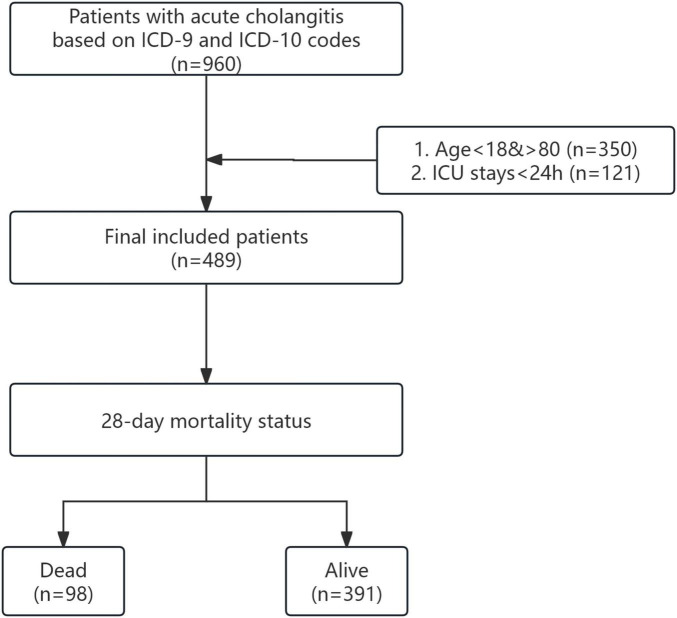
Methods: This study employed a retrospective cohort design, utilizing data gleaned from the MIMIC-IV database. A total of 489 patients admitted to the Intensive Care Unit (ICU) with acute cholangitis were analyzed, and participants were stratified into quartiles according to their serum AG levels. Mortality rates, as well as the incidence of acute kidney injury (AKI) and sepsis, were meticulously recorded and analyzed to establish any significant correlations with AG levels.
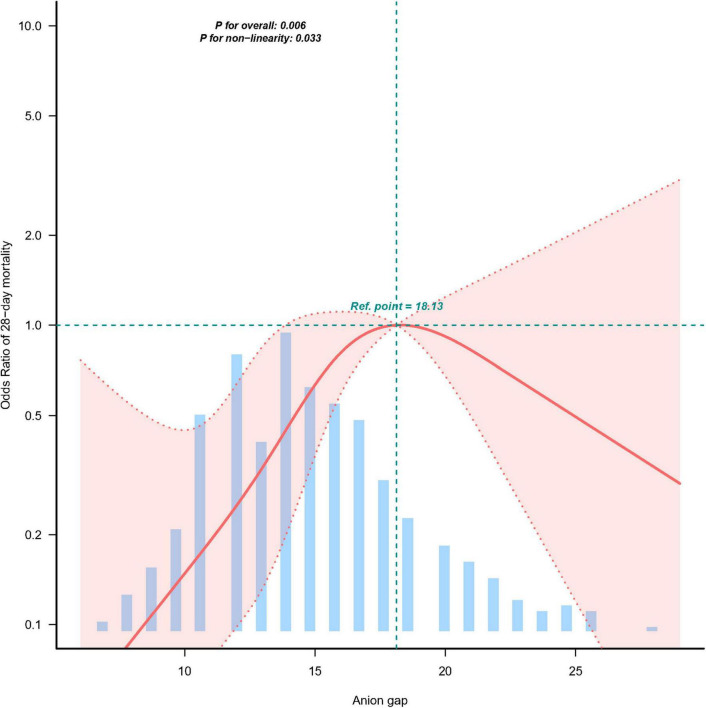
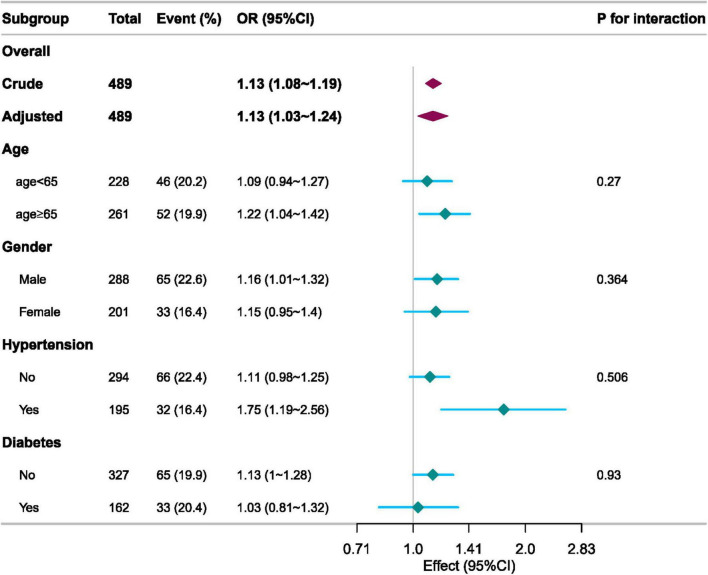
Results: The findings indicated a stark association between elevated AG quartiles and increased rates of AKI, sepsis, and overall mortality. Specifically, the 28-day mortality rate escalated markedly from 8.1% in the lowest AG quartile to 30.9% in the highest quartile (p < 0.001). Furthermore, multivariate logistic regression analysis revealed that each unit increase in AG was associated with a 13% enhancement in mortality risk (OR 1.13, 95%CI 1.03-1.124, p = 0.010). An inverted J-shaped correlation between AG levels and mortality was also identified, indicating a potential inflection point at 18.13 mEq/L.
Conclusion: This study elucidates the significant role of AG as a prognostic marker in critically ill patients with acute cholangitis, emphasizing its potential utility in guiding early intervention strategies to mitigate mortality risks. Future research endeavors should aim to explore the therapeutic implications of managing AG levels and assess their relevance in wider clinical contexts to enhance patient outcomes.
Keywords: 28-days all-cause mortality; MIMIC-IV database; acute cholangitis; anion gap (AG); intensive care unit (ICU).
Copyright © 2025 Huang, Yin and Han.
Conflict of interest statement
The authors declare that the research was conducted in the absence of any commercial or financial relationships that could be construed as a potential conflict of interest.
Figures
References
LinkOut - more resources
Full Text Sources
Miscellaneous
