


Large language model-based multimodal system for detecting and grading ocular surface diseases from smartphone images
- PMID: 40486905
- PMCID: PMC12141289
- DOI: 10.3389/fcell.2025.1600202
Large language model-based multimodal system for detecting and grading ocular surface diseases from smartphone images
Abstract
Background: The development of medical artificial intelligence (AI) models is primarily driven by the need to address healthcare resource scarcity, particularly in underserved regions. Proposing an affordable, accessible, interpretable, and automated AI system for non-clinical settings is crucial to expanding access to quality healthcare.
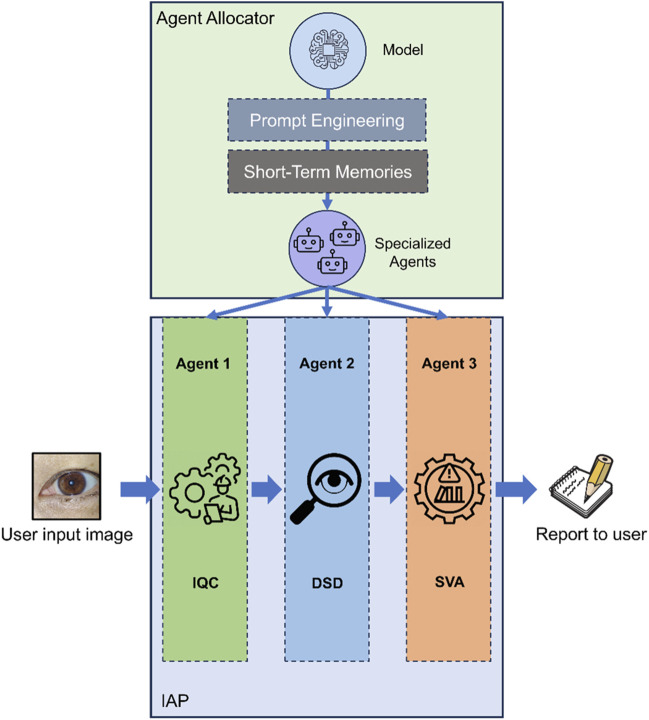
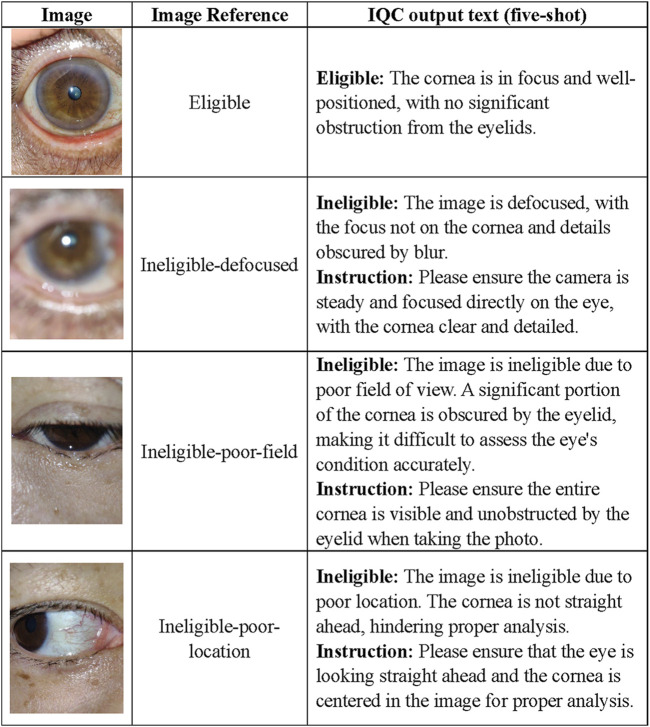
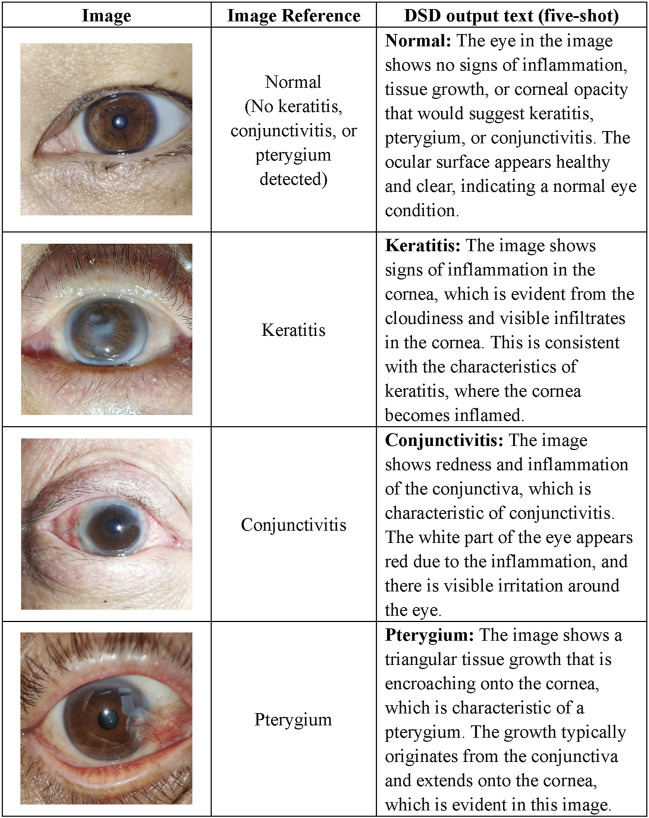
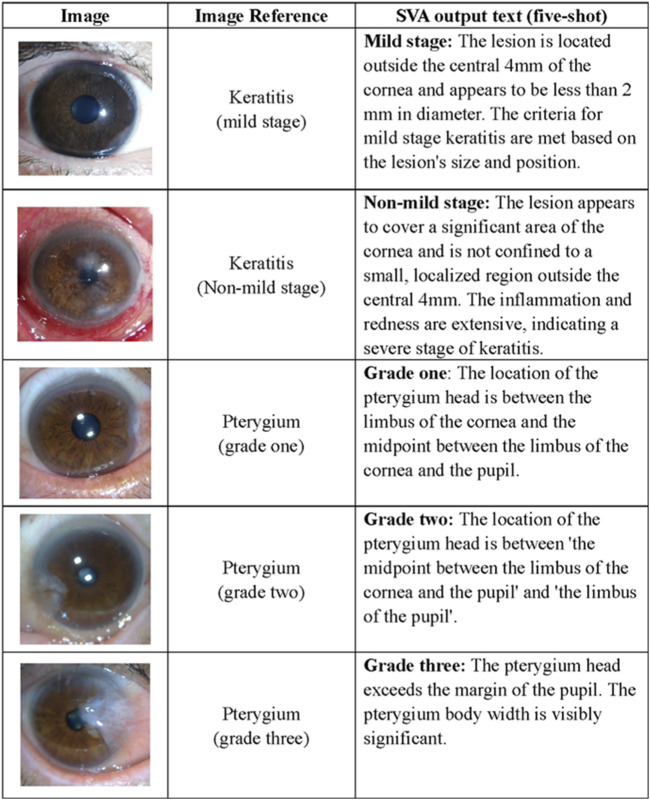
Methods: This cross-sectional study developed the Multimodal Ocular Surface Assessment and Interpretation Copilot (MOSAIC) using three multimodal large language models: gpt-4-turbo, claude-3-opus, and gemini-1.5-pro-latest, for detecting three ocular surface diseases (OSDs) and grading keratitis and pterygium. A total of 375 smartphone-captured ocular surface images collected from 290 eyes were utilized to validate MOSAIC. The performance of MOSAIC was evaluated in both zero-shot and few-shot settings, with tasks including image quality control, OSD detection, analysis of the severity of keratitis, and pterygium grading. The interpretability of the system was also evaluated.
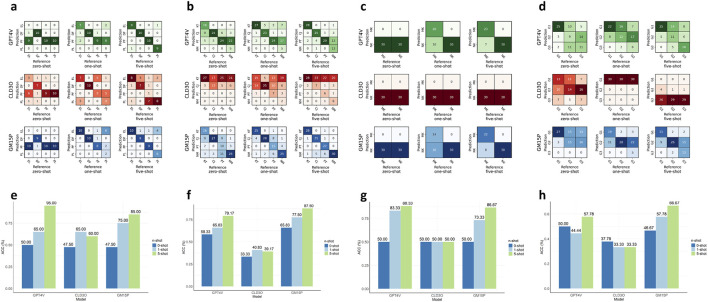
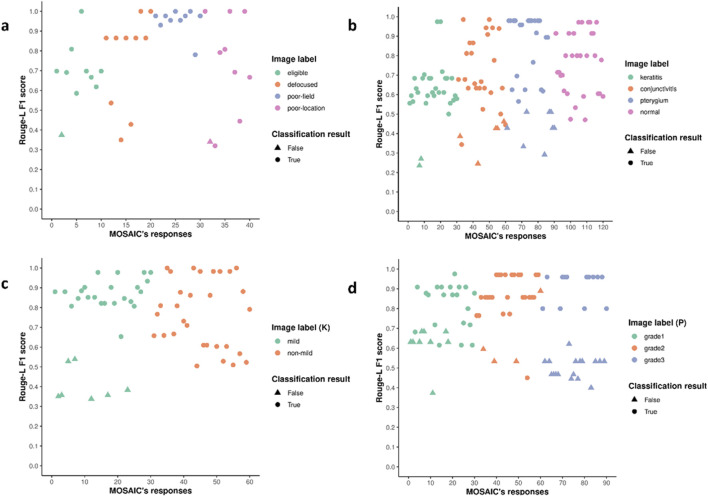
Results: MOSAIC achieved 95.00% accuracy in image quality control, 86.96% in OSD detection, 88.33% in distinguishing mild from severe keratitis, and 66.67% in determining pterygium grades with five-shot settings. The performance significantly improved with the increasing learning shots (p < 0.01). The system attained high ROUGE-L F1 scores of 0.70-0.78, depicting its interpretable image comprehension capability.
Conclusion: MOSAIC exhibited exceptional few-shot learning capabilities, achieving high accuracy in OSD management with minimal training examples. This system has significant potential for smartphone integration to enhance the accessibility and effectiveness of OSD detection and grading in resource-limited settings.
Keywords: conjunctivitis; keratitis; large language model; multimodal model; ocular surface disease; pterygium.
Copyright © 2025 Li, Wang, Xiu, Zhang, Wang, Wang, Chen, Yang and Chen.
Conflict of interest statement
The authors declare that the research was conducted in the absence of any commercial or financial relationships that could be construed as a potential conflict of interest.
Figures
References
-
- Brown T. B., Mann B., Ryder N., Subbiah M., Kaplan J., Dhariwal P., et al. (2020). “Language models are few-shot learners,”, arXiv: arXiv:2005.14165. 10.48550/arXiv.2005.14165 - DOI
-
- Burton M. J. (2009). Prevention, treatment and rehabilitation. Community Eye Health 22 (71), 33–35. Available online at: https://pmc.ncbi.nlm.nih.gov/articles/PMC2823104/ . - PMC - PubMed
LinkOut - more resources
Full Text Sources
