


Chronic toxicity mechanisms of 6PPD and 6PPD-Quinone in zebrafish
- PMID: 40488135
- PMCID: PMC12141960
- DOI: 10.1016/j.ese.2025.100567
Chronic toxicity mechanisms of 6PPD and 6PPD-Quinone in zebrafish
Abstract
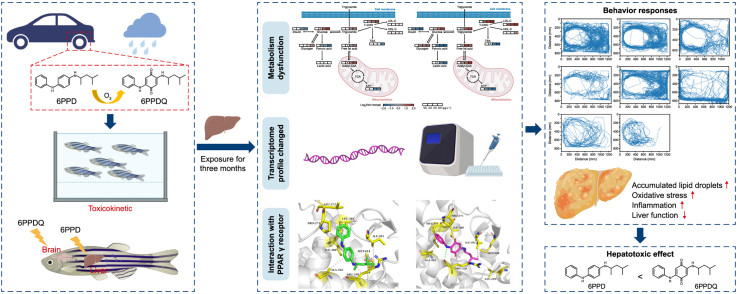
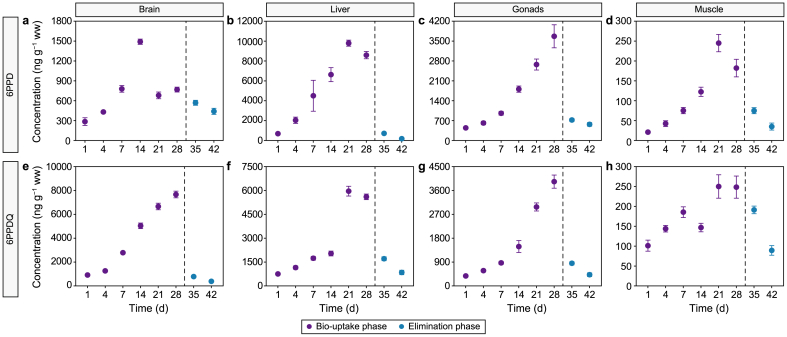
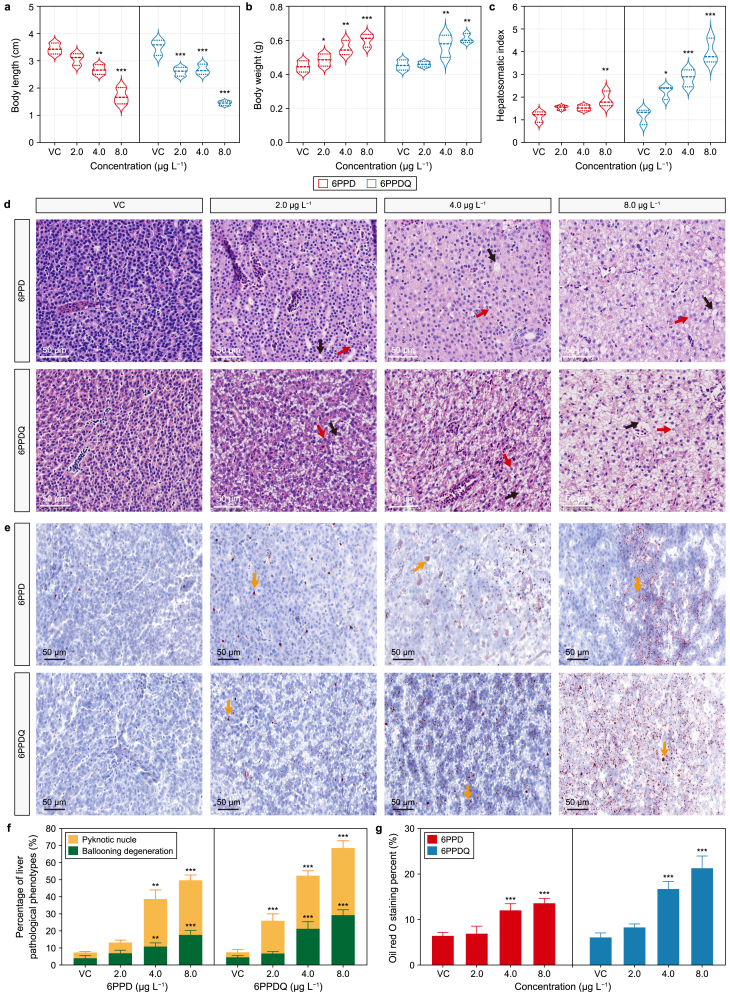
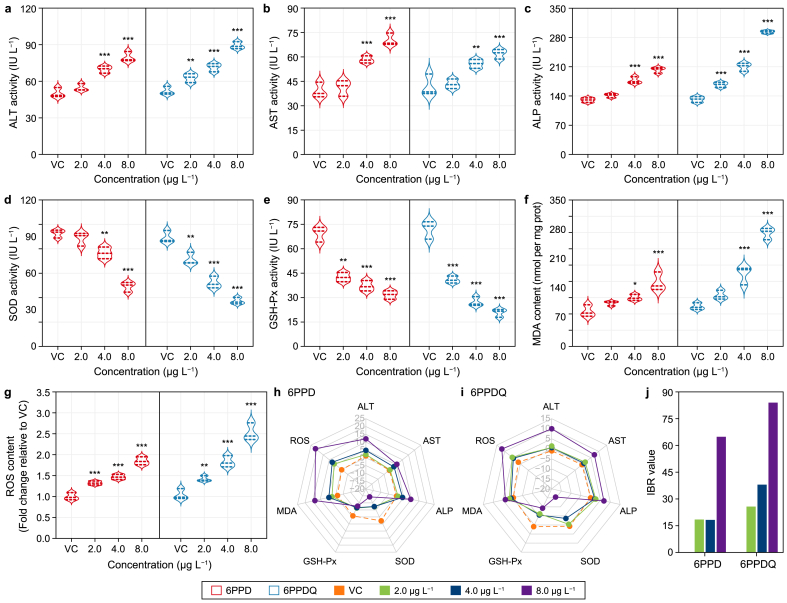
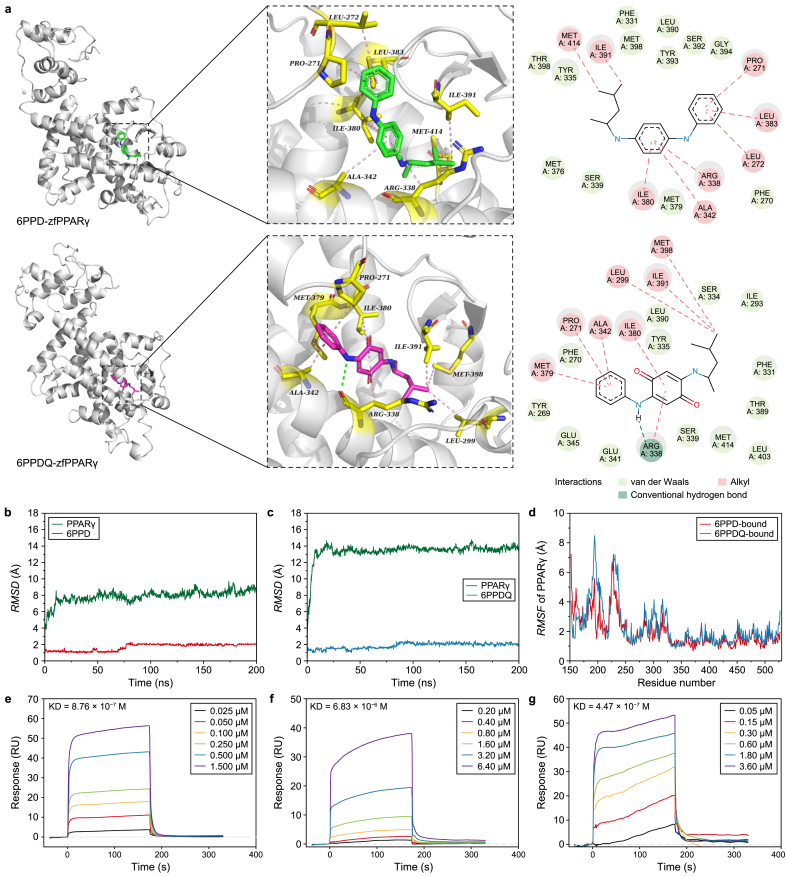
N-(1,3-Dimethylbutyl)-N'-phenyl-p-phenylenediamine (6PPD) and its oxidation derivative, 6PPD-quinone (6PPDQ), have been extensively detected in environmental and biological samples, raising significant concerns regarding their chronic aquatic toxicity at environmentally relevant concentrations. However, the underlying mechanisms driving this chronic toxicity remain largely unexplored. Here we show that zebrafish exposed to 6PPD and 6PPDQ exhibit distinct toxicokinetic profiles, with 6PPD preferentially accumulating in the liver and 6PPDQ predominantly targeting the brain. Exposure to both compounds impaired zebrafish growth, induced hepatic damage, and disrupted locomotor behavior. Transcriptomic analysis of liver tissue revealed disturbances in lipid and carbohydrate metabolic pathways in both treatment groups, with distinct differences in gene expression patterns and biochemical responses between 6PPD and 6PPDQ. Specifically, both compounds downregulated peroxisome proliferator-activated receptor gamma (PPARγ) and elevated the expression of pro-inflammatory cytokines (TNF-α and IL-6). Molecular dynamics simulations and surface plasmon resonance experiments further demonstrated that hepatotoxicity was associated with direct binding of these compounds to PPARγ, a critical regulator of lipid metabolism and inflammation. Our findings highlight the hepatotoxic risks of 6PPD and 6PPDQ to aquatic life. Importantly, 6PPDQ exhibited greater toxicity compared to 6PPD, emphasizing an urgent need for targeted environmental controls and regulatory actions to mitigate ecological harm and potential public health consequences.
Keywords: 6PPD; 6PPDQ; Hepatotoxicity; PPARγ; zebrafish.
© 2025 The Authors.
Conflict of interest statement
The authors declare that they have no known competing financial interests or personal relationships that could have appeared to influence the work reported in this paper.
Figures
References
-
- Seiwert B., Nihemaiti M., Troussier M., et al. Abiotic oxidative transformation of 6-PPD and 6-PPD quinone from tires and occurrence of their products in snow from urban roads and in municipal wastewater. Water Res. 2022;212 - PubMed
-
- Johannessen C., Helm P., Metcalfe C.D. Detection of selected tire wear compounds in urban receiving waters. Environ. Pollut. 2021;287 - PubMed
-
- Huang W., Shi Y., Huang J., et al. Occurrence of substituted p-phenylenediamine antioxidants in dusts. Environ. Sci. Technol. Lett. 2021;8(5):381–385.
-
- Zhao H.N., Hu X., Tian Z., et al. Transformation products of tire rubber antioxidant 6PPD in heterogeneous gas-phase ozonation: identification and environmental occurrence. Environ. Sci. Technol. 2023;57(14):5621–5632. - PubMed
LinkOut - more resources
Full Text Sources
