


Hepatoprotective activity of raspberry ketone against streptozotocin-induced type 2 diabetes in male rats
- PMID: 40489503
- PMCID: PMC12148097
- DOI: 10.1371/journal.pone.0324940
Hepatoprotective activity of raspberry ketone against streptozotocin-induced type 2 diabetes in male rats
Abstract
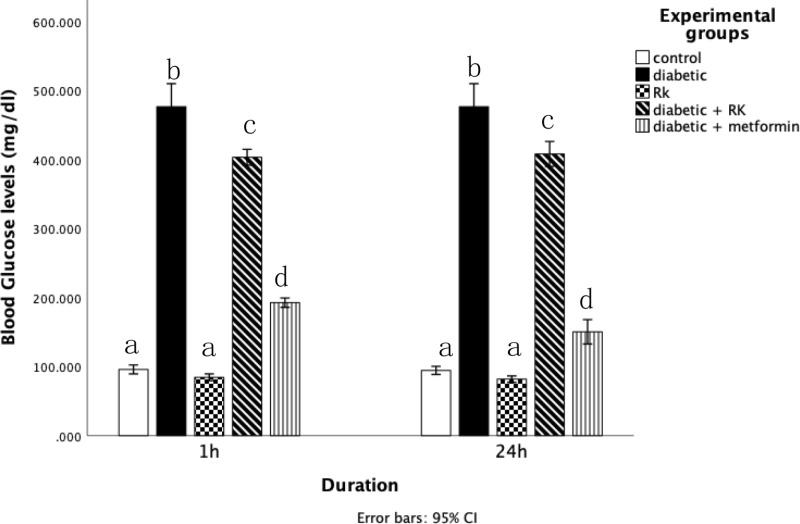
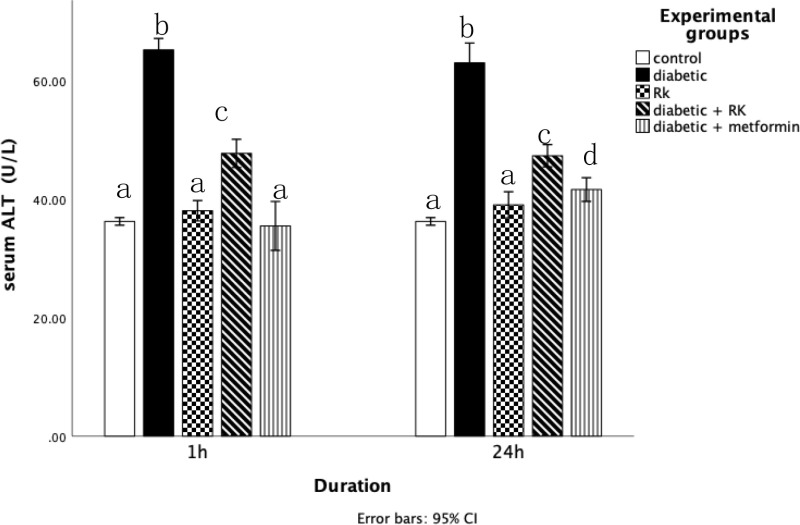
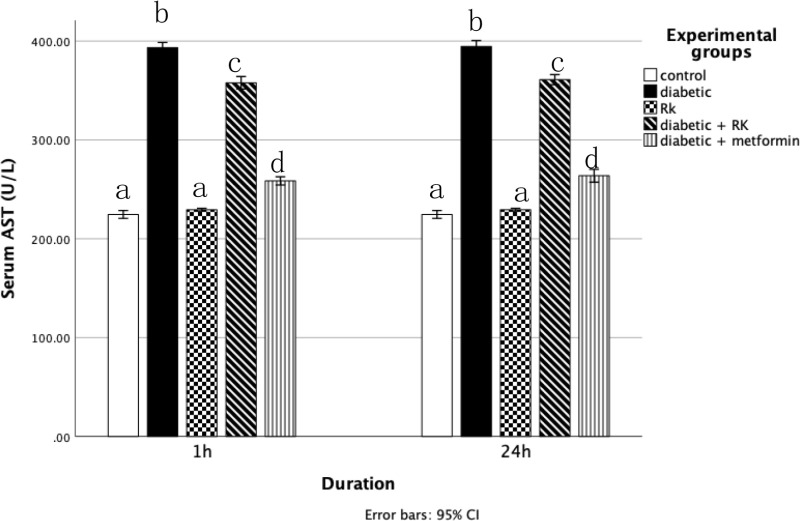
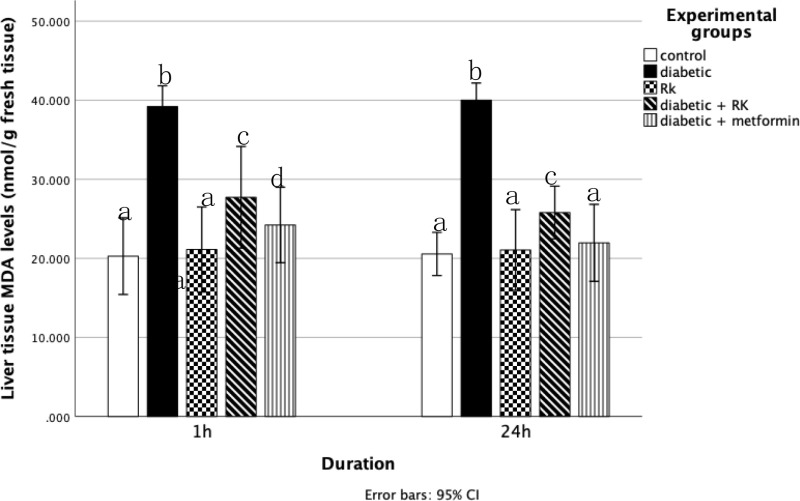
Type 1 diabetes encompasses a spectrum of metabolic disorders marked by insulin deficiency, resulting in elevated blood glucose levels, commonly referred to as hyperglycemia. This persistent condition often precipitates lipid profile abnormalities, causing cholesterol alterations, low-and high-density lipoproteins, and triglycerides. The liver is particularly vulnerable to increased oxidative stress and inflammatory responses, which activate the transcription of pro-apoptotic genes and ultimately contribute to hepatocyte damage. This study analyzed the potential therapeutic role of raspberry ketone (RK), a natural antioxidant with antiapoptotic and anti-inflammatory properties, in male albino rats with induced type 2 diabetes. Fifty rats were equally divided into five groups: control, rats orally administered 200 mg /kg Body Weight (BW) RK for 5 days, diabetic rats intramuscularly injected once with 60 mg/kg BW streptozotocin, streptozotocin-induced diabetic rats orally administered 200 mg/kg BW RK for 5 days, and streptozotocin-induced diabetic rats orally administered 100 mg/kg metformin. Streptozotocin treatment significantly affected blood biochemical parameters, lipid profiles, oxidative stress markers, immunotoxicity biomarkers, and DNA damage biomarkers. Conversely, RK efficiently ameliorated the toxic effects of streptozotocin on the liver by reducing the pathological and biochemical changes associated with diabetes through its antioxidant and anti-inflammatory properties. Therefore, incorporating RK into the diet of diabetic patients can help prevent hepatocyte damage associated with diabetes. In conclusion, oral administration of RK exerts hepatoprotective effects by offering antioxidant, antiapoptotic, and anti-inflammatory properties against streptozotocin-induced type 1 diabetes in male rats.
Copyright: © 2025 Fouad et al. This is an open access article distributed under the terms of the Creative Commons Attribution License, which permits unrestricted use, distribution, and reproduction in any medium, provided the original author and source are credited.
Conflict of interest statement
The authors have declared that no competing interests exist.
Figures
References
-
- Bingöl SA, Deprem T, Ilhan Aksu S, Koral Taşçi S, Ermutlu DG, Aslan Ş. Immunohistochemical Localization of Leptin and Ghrelin in Kidney Tissue of Capsaicin Administered Diabetic and Non-diabetic Rats. Kafkas Univ Vet Fak Derg. 2024. doi: 10.9775/kvfd.2023.31202 - DOI
-
- Abduallah AM, Ahmed AE, Bajaber MA, Alalwiat AA. Evaluation of the antidiabetic effects of methanolic extracts of neem (Azadirachta indica) seeds on the streptozotocin-induced wistar rats. Pak Vet J. 2023;43(4): 792–8. doi: 10.29261/pakvetj/2023.106 - DOI
-
- Musaddaq R, Fareed S, Zaid M, Khan A, Midhat-e-Zahra, Shabbir H, et al. Antidiabetic effect of herbal and pharmaceutical interventions on albino mice. Agrobiological Records. 2024;17: 23–9. doi: 10.47278/journal.abr/2024.020 - DOI
-
- Bakir B. Anti-Apoptotic and Anti-Inflammatory Effects of Ginger Extract on Small Intestine Tissue in STZ-Induced Diabetic Rats. Kafkas Univ Vet Fak Derg. 2023;29(4):391–9. doi: 10.9775/kvfd.2023.29480 - DOI
MeSH terms
Substances
LinkOut - more resources
Full Text Sources
Medical
