


A Nationwide Retrospective Analysis of Socioeconomic Factors Associated With Eosinophilic Colitis: A Population-Based Study
- PMID: 40491439
- PMCID: PMC12146004
- DOI: 10.1016/j.gastha.2025.100663
A Nationwide Retrospective Analysis of Socioeconomic Factors Associated With Eosinophilic Colitis: A Population-Based Study
Abstract
Background and aims: Eosinophilic colitis (EC) is a rare gastrointestinal inflammation of the colon characterized by eosinophilic infiltration into the colonic wall. The study aimed to assess the socioeconomic factors associated with EC.
Methods: A retrospective cohort study was conducted using the 2016-2020 National Inpatient Sample, including adult patients (≥18 years) admitted with EC.
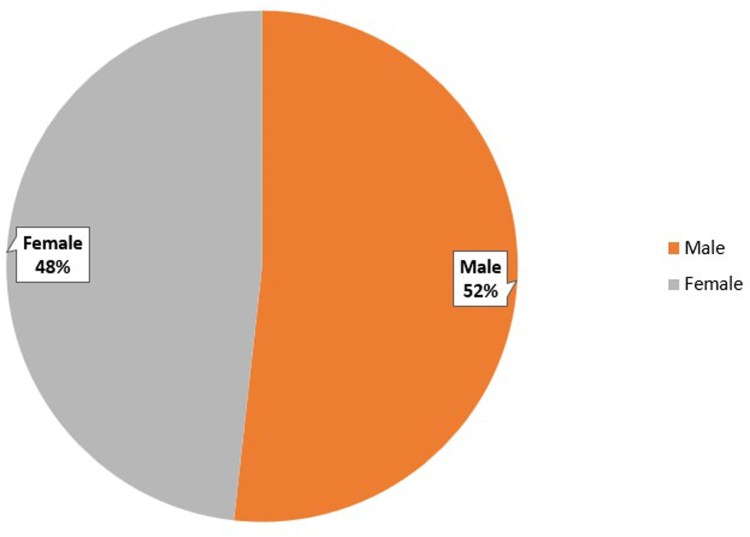
Results: Among 4353 EC cases identified, males are more likely to be hospitalized than females (51.8% vs 48.2%, P < .001). Caucasians consisted of 81.7% of total cases, followed by African Americans (8.1%), Hispanics (6.3%), and Asians (1.3%) (P < .001). 50.6% of EC cases had Private/Health Maintenance Organization insurance followed by Medicare (26.5%), Medicaid (15.7%), and 7.2% were uninsured (P < .001). Only 16.5% of patients had a Charlson Comorbidity Index ≥3.
Conclusion: Caucasians, males, and those with private insurance were more likely to be diagnosed with EC. The correlation between insurance coverage and hospitalizations shows health-care disparities and implies the need for equitable health-care delivery.
Keywords: Colitis; Disparities; Eosinophilic Gastrointestinal Disorders; Prognosis.
© 2025 The Authors.
Figures





References
-
- Impellizzeri G., Marasco G., Eusebi L.H., et al. Eosinophilic colitis: a clinical review. Dig Liver Dis. 2019;51(6):769–773. - PubMed
-
- Memon R.J., Savliwala M.N. StatPearls. StatPearls Publishing; Treasure Island, FL: 2023. Eosinophilic gastroenteritis.
-
- Chang J.W., Wu T.C., Wang K.S., et al. Colon mucosal pathology in infants under three months of age with diarrhea disorders. J Pediatric Gastroenterology Nutrition. 2002;35(3):387–390. - PubMed
LinkOut - more resources
Full Text Sources
