


Usability and acceptability of a mobile application prototype for managing hypertensive disorders of pregnancy: A mixed methods evaluation
- PMID: 40495897
- PMCID: PMC12148833
- DOI: 10.1016/j.pmedr.2025.103108
Usability and acceptability of a mobile application prototype for managing hypertensive disorders of pregnancy: A mixed methods evaluation
Abstract
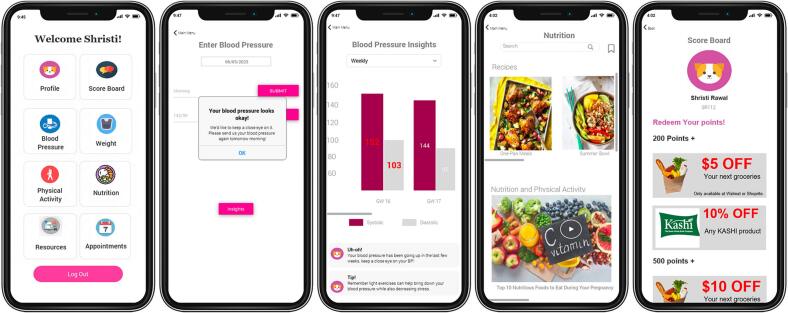
Objective: Hypertensive disorders of pregnancy (HDP) contribute to maternal mortality and morbidity globally. Mobile health technologies may improve HDP management through patient education, facilitating patient-provider communication, and supporting blood pressure self-monitoring through tailored feedback and reminder prompts. Our objective was to understand the digital health needs of women with HDP from low-socioeconomic backgrounds.
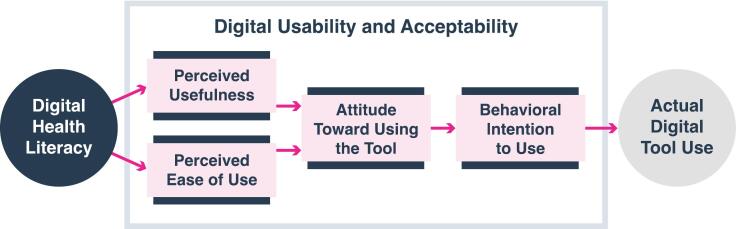
Methods: An interactive HDP management digital prototype was developed and evaluated through usability and acceptability testing. Participants included nine pregnant or postpartum women with diagnosed HDP and three maternal-fetal medicine specialists, recruited from two clinics in a predominantly low-income city, Newark, N.J., in 2024 The Technology Acceptance Model was used to guide the assessment of the prototype's acceptability and usability. Data were collected from interviews, a digital literacy questionnaire, and a system usability questionnaire, with quantitative data analyzed descriptively and qualitative data through content analysis.
Results: The median gestational age among pregnant women was 22.0 (17.0, 29.0) weeks, with 89 % identifying as Black/African American. Most women (78 %) reported moderate or high digital health literacy. The mean System Usability score was 81 ± 17, indicating good usability. Three themes were identified: high acceptability and usability, the importance of tailored feedback, and the need for real-time provider-patient communication to support treatment decisions.
Conclusions: These findings indicate a high acceptability and usability of a digital application for HDP management and home blood pressure monitoring among pregnant and postpartum women diagnosed with HDP and their providers in a low-income urban setting.
Keywords: Acceptability; Hypertension; Postpartum; Pregnancy; Usability; mHealth.
© 2025 Published by Elsevier Inc.
Conflict of interest statement
The authors declare the following financial interests/personal relationships which may be considered as potential competing interests: Shirsti Rawal reports financial support was provided by New Jersey Health Foundation. Shristi Rawal reports a relationship with New Jersey Health Foundation that includes: funding grants. If there are other authors, they declare that they have no known competing financial interests or personal relationships that could have appeared to influence the work reported in this paper.
Figures
References
-
- Albadrani M., Tobaiqi M., Al-Dubai S. An evaluation of the efficacy and the safety of home blood pressure monitoring in the control of hypertensive disorders of pregnancy in both pre and postpartum periods: a systematic review and meta-analysis. BMC Pregnancy Childbirth. 2023;23(1):550. doi: 10.1186/s12884-023-05663-w. - DOI - PMC - PubMed
-
- Band R., Hinton L., Tucker K.L., Chappell L.C., Crawford C., Franssen M., Yardley L., et al. Intervention planning and modification of the BUMP intervention: a digital intervention for the early detection of raised blood pressure in pregnancy. Pilot Feasibility Stud. 2019;5:153. doi: 10.1186/s40814-019-0537-z. - DOI - PMC - PubMed
LinkOut - more resources
Full Text Sources
