


Phytochemistry, Pharmacological Potential, and Ethnomedicinal Relevance of Achillea nobilis and Its Subspecies: A Comprehensive Review
- PMID: 40509346
- PMCID: PMC12156132
- DOI: 10.3390/molecules30112460
Phytochemistry, Pharmacological Potential, and Ethnomedicinal Relevance of Achillea nobilis and Its Subspecies: A Comprehensive Review
Abstract
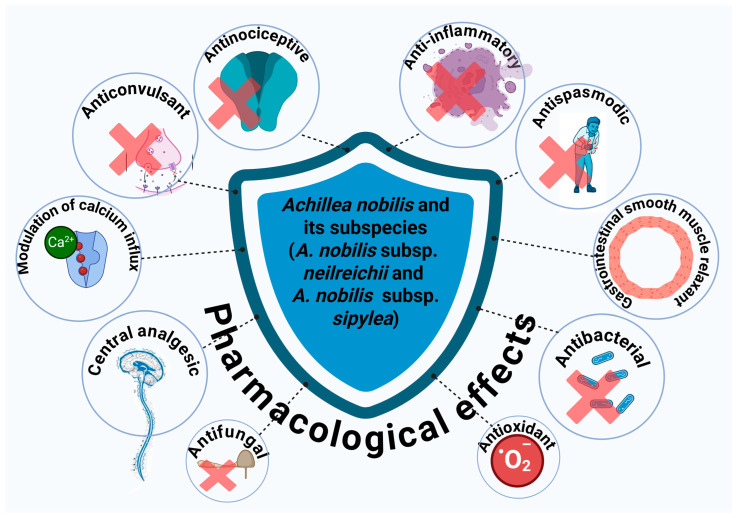
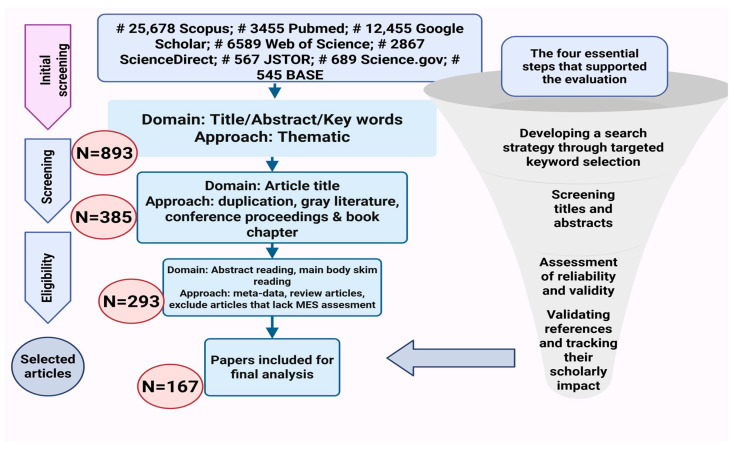
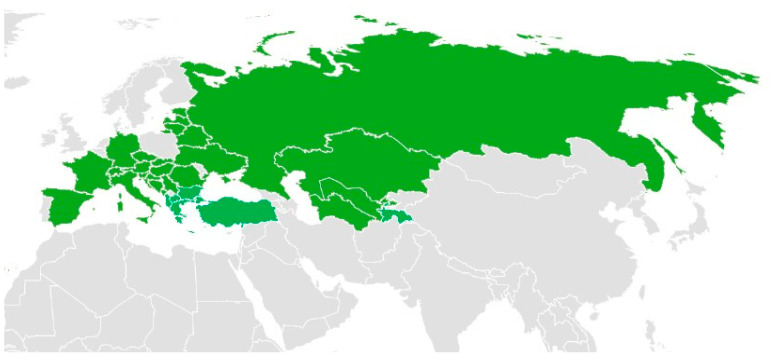
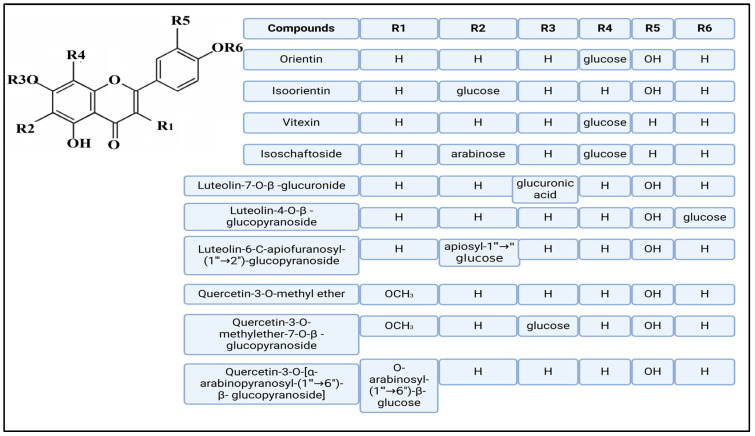
Achillea nobilis and its subspecies (A. nobilis subsp. neilreichii and A. nobilis subsp. sipylea) have been traditionally used in various ethnomedical systems across Eurasia. However, comprehensive studies on their phytochemical composition and pharmacological properties are still insufficient. This review aims to provide a critical synthesis of current knowledge regarding the botanical characteristics, geographic distribution, traditional applications, chemical constituents, and pharmacological effects of A. nobilis A structured search was conducted using eight scientific platforms, including Scopus, PubMed, Web of Science, Google Scholar, Science.gov, ScienceDirect, JSTOR, and BASE. Keywords related to phytochemistry, pharmacology, and ethnomedicine were applied, and a total of 28,000 records were initially retrieved. After a multi-stage screening process based on inclusion and exclusion criteria, 167 peer-reviewed publications from 1952 to 2023 were selected for detailed evaluation. Findings reveal a diverse range of bioactive compounds, such as flavonoids, monoterpenes, sesquiterpenes, and sesquiterpene lactones, which demonstrate antioxidant, antimicrobial, anti-inflammatory, antinociceptive, antispasmodic, and anticonvulsant activities. Most studies have focused on aerial parts and water-based extracts, while the root chemistry and organ-specific metabolite profiles remain largely unexplored. This review highlights the therapeutic potential of A. nobilis and underscores the need for future studies using multi-omics and advanced analytical techniques to support its development in pharmaceutical and nutraceutical applications.
Keywords: antibacterial; antinociceptive; ethnomedicine; flavonoids; monoterpenes; pharmacological activities; phytochemistry.
Conflict of interest statement
The authors declare no conflicts of interest.
Figures
References
-
- Abilkassymova A., Turgumbayeva A., Sarsenova L., Tastambek K., Altynbay N., Ziyaeva G., Blatov R., Altynbayeva G., Bekesheva K., Abdieva G., et al. Exploring Four Atraphaxis Species: Traditional Medicinal Uses, Phytochemistry, and Pharmacological Activities. Molecules. 2024;29:910. doi: 10.3390/molecules29040910. - DOI - PMC - PubMed
-
- Shynykul Z. Comparative Evaluation of Chemical Carbon Acid Extract of the Ordinary Harmala (Peganum harmala) in Central Asia Region. Asian J. Plant Sci. 2022;21:574–581. doi: 10.3923/ajps.2022.574.581. - DOI
-
- Amirkhanova S.A., Ustenova G.O., Krauze M.B., Pobłocka L.O., Shynykul S.Z. Thin-Layer Chromatography Analysis of Extract Oxytropis glabra Lam. DC. Int. Multidiscip. Sci. GeoConf. SGEM. 2018;18:775–782.
-
- Barda C., Grafakou M.-E., Tomou E.-M., Skaltsa H. Phytochemistry and Evidence-Based Traditional Uses of the Genus Achillea L.: An Update (2011–2021) Sci. Pharm. 2021;89:50. doi: 10.3390/scipharm89040050. - DOI
Publication types
MeSH terms
Substances
LinkOut - more resources
Full Text Sources
