


Divergent trajectories in pancreatic cancer burden among older adults (55+): a GBD 2021 analysis revealing China's dual epidemic of aging and population growth (1990-2045)
- PMID: 40510574
- PMCID: PMC12158976
- DOI: 10.3389/fpubh.2025.1600635
Divergent trajectories in pancreatic cancer burden among older adults (55+): a GBD 2021 analysis revealing China's dual epidemic of aging and population growth (1990-2045)
Abstract
Background: The global population aging trend has intensified concerns regarding pancreatic cancer (PC), a leading cause of cancer-related mortality with a 5-year survival rate of 13%. This study evaluates the global burden, temporal trends, and socioeconomic disparities of PC among individuals aged ≥55 years using the 2021 Global Burden of Disease (GBD) data.
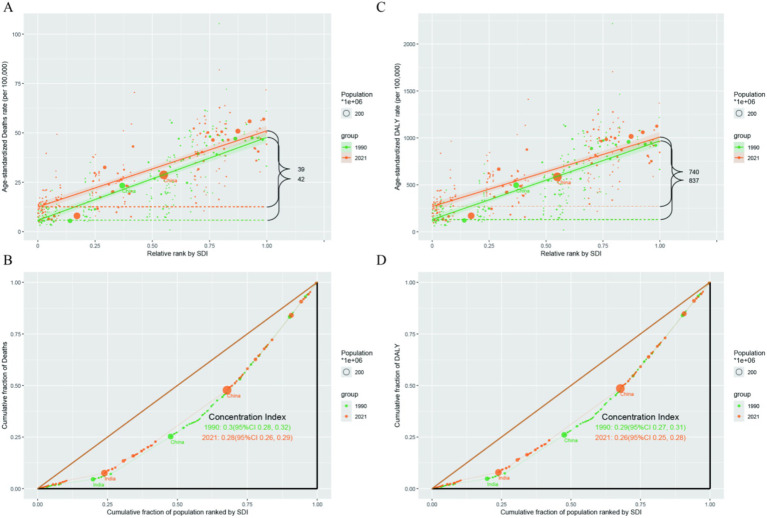
Methods: Age-standardized incidence, prevalence, mortality, and disability-adjusted life years (DALYs) were analyzed across 204 countries. Joinpoint regression identified temporal trends (1990-2021), while Bayesian Age-Period-Cohort (BAPC) modeling projected future burden. Socioeconomic disparities were assessed via the Socio-demographic Index (SDI), and risk factor contributions were quantified using decomposition analysis.
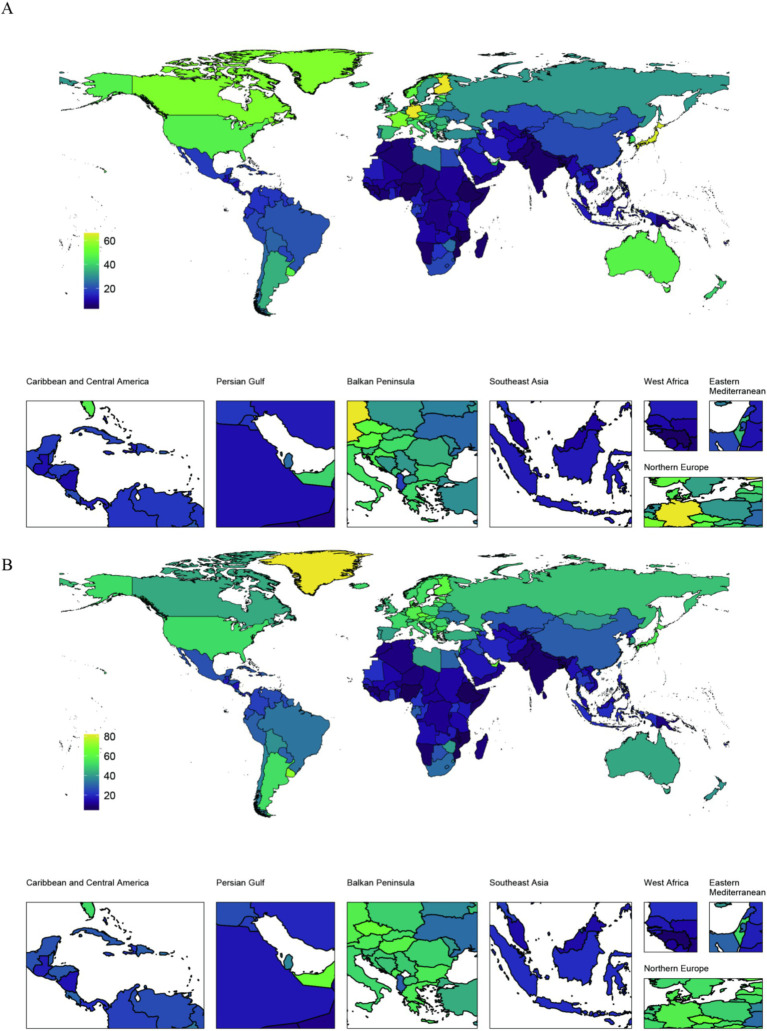
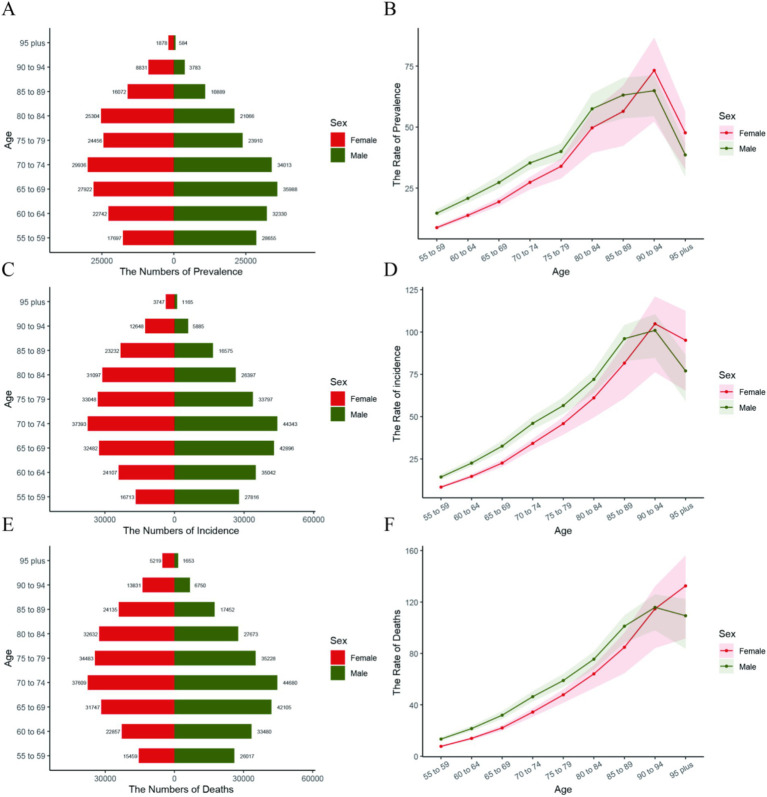
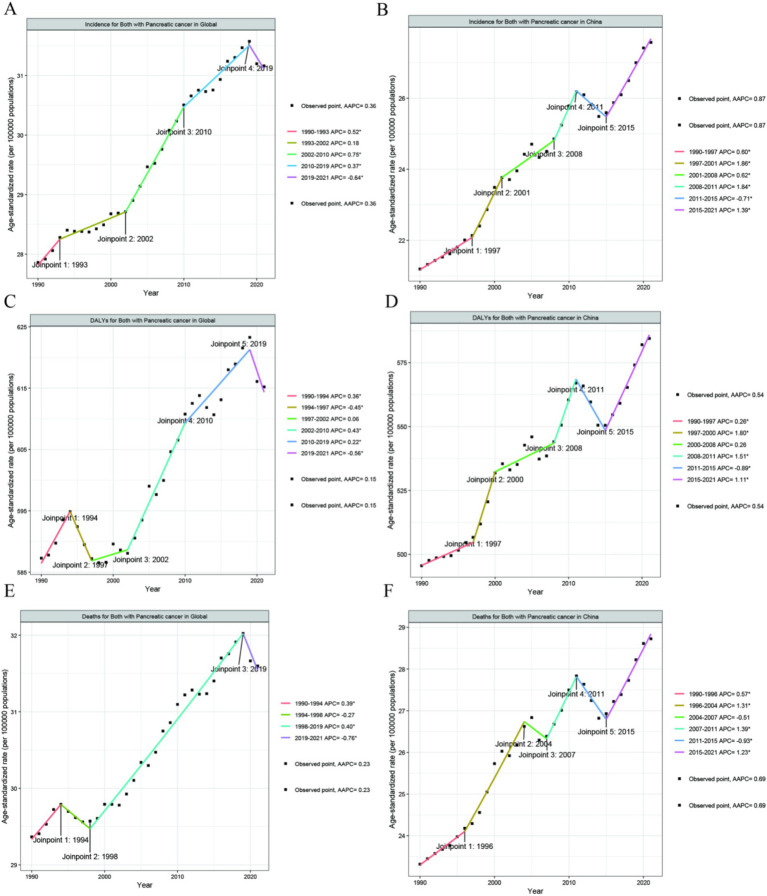
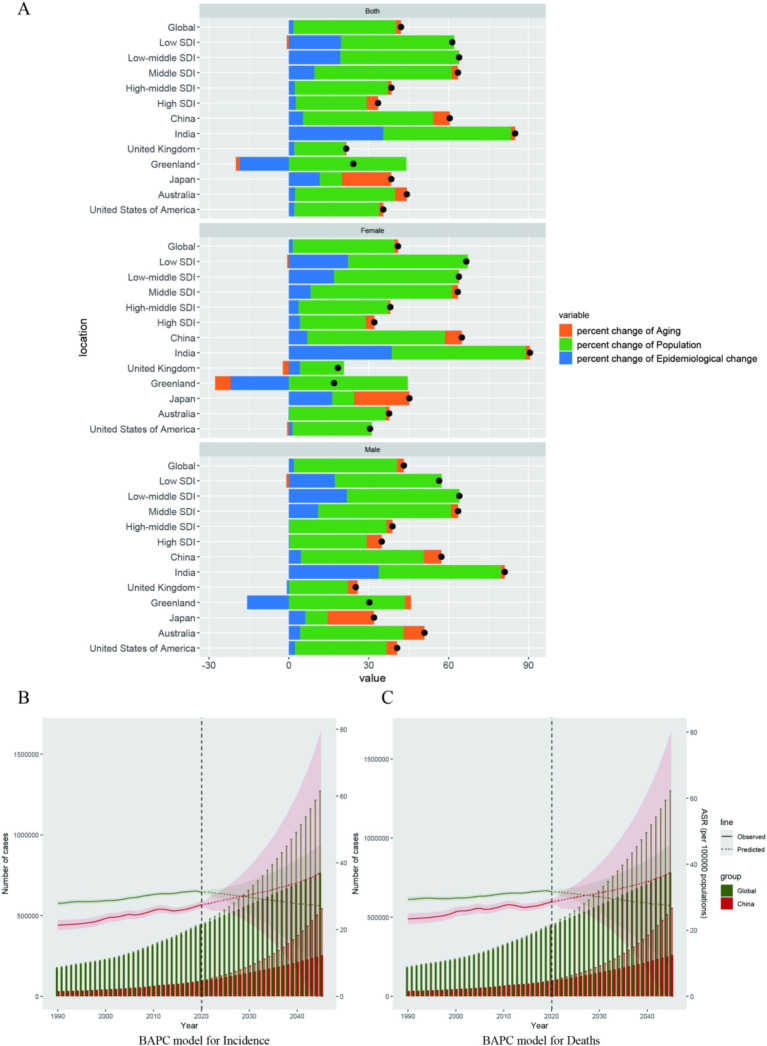
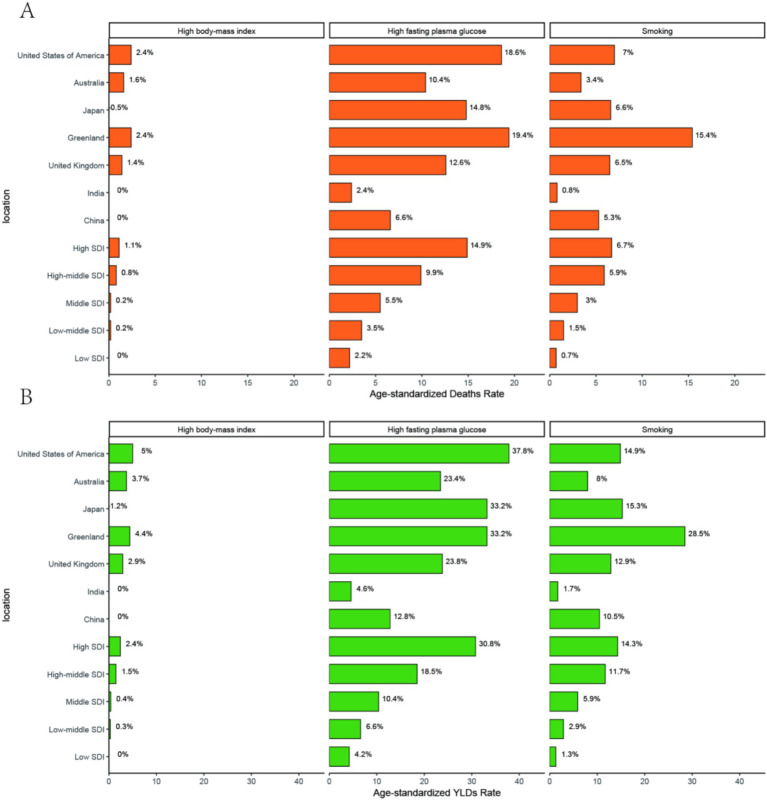
Results: In 2021, Finland, Germany, and Japan exhibited the highest age-standardized PC prevalence (ASPR: 64.42-66.17 per 100,000 population), contrasting sharply with Mozambique (ASPR: 2.85 per 100,000 population). Mortality peaked in Greenland (age-standardized death rate, ASDR: 81.85 per 100,000 population) and Monaco (ASDR: 71.75 per 100,000 population). Males showed elevated burden across incidence, prevalence, and mortality (peak age: 70-74 years), with global trends persistently rising (average annual percentage change, AAPC >0, 1990-2021). China experienced a transient mortality decline (AAPC = -0.93, 2011-2015), linked to healthcare reforms. High SDI regions (e.g., Japan) faced amplified burdens driven by aging and metabolic risks, while smoking (15.4-28.5% of deaths and years lived with disability, YLDs) and hyperglycemia (37.8% of YLDs in the U.S.) dominated modifiable risks. Projections diverge significantly: China's age-standardized incidence rate (ASIR) burden is projected to increase from 27.96 (95% uncertainty interval, UI: 25.76, 30.16) in 2022 to 36.94 (UI: 0, 79.46) by 2045. In contrast, the global ASIR is expected to decline from 31.07 (UI: 30.06, 32.08) to 27.11 (UI: 8.73, 45.57).
Conclusion: Persistent socioeconomic and gender disparities underscore the need for targeted interventions, including tobacco control, glycemic management, and lifestyle modifications. Prioritizing aging populations in high-SDI regions and addressing underreported risks in low-SDI areas are critical for mitigating the growing PC burden.
Keywords: 55+ years old cohort; GBD 2021; global burden of disease; pancreatic cancer; risk factors; socioeconomic disparities.
Copyright © 2025 Dong, Wang, Han and Niu.
Conflict of interest statement
The authors declare that the research was conducted in the absence of any commercial or financial relationships that could be construed as a potential conflict of interest.
Figures
References
MeSH terms
LinkOut - more resources
Full Text Sources
Medical
