


Probiotic-induced enrichment of Adlercreutzia equolifaciens increases gut microbiome wellness index and maps to lower host blood glucose levels
- PMID: 40515809
- PMCID: PMC12169038
- DOI: 10.1080/19490976.2025.2520407
Probiotic-induced enrichment of Adlercreutzia equolifaciens increases gut microbiome wellness index and maps to lower host blood glucose levels
Abstract
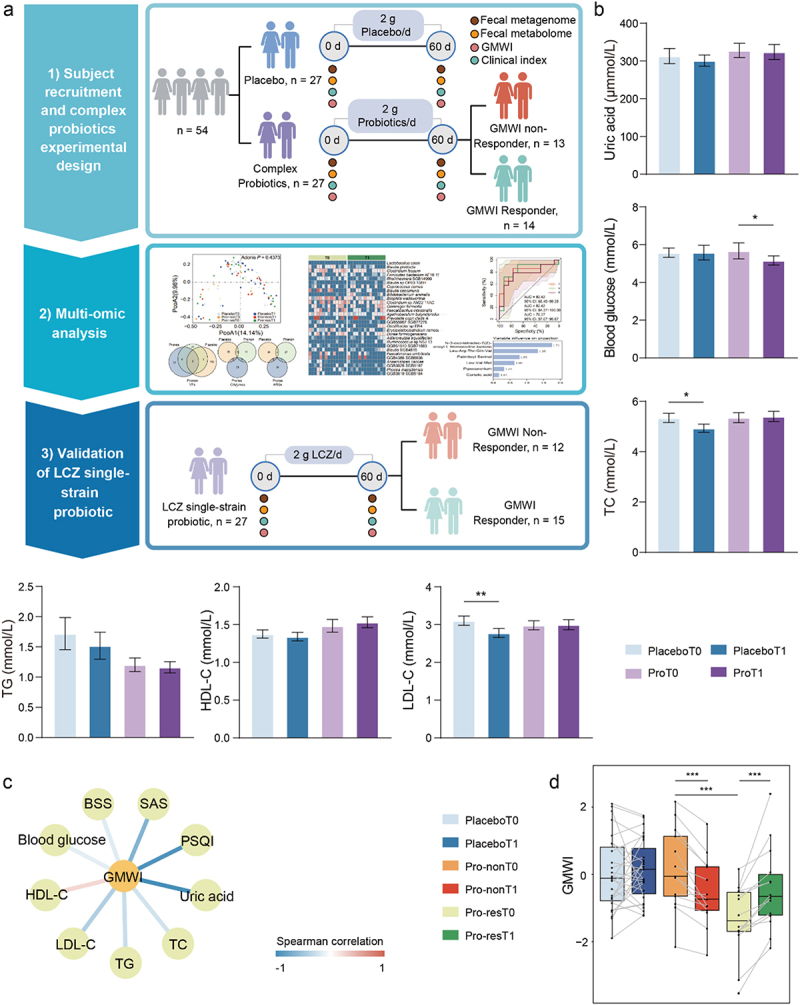
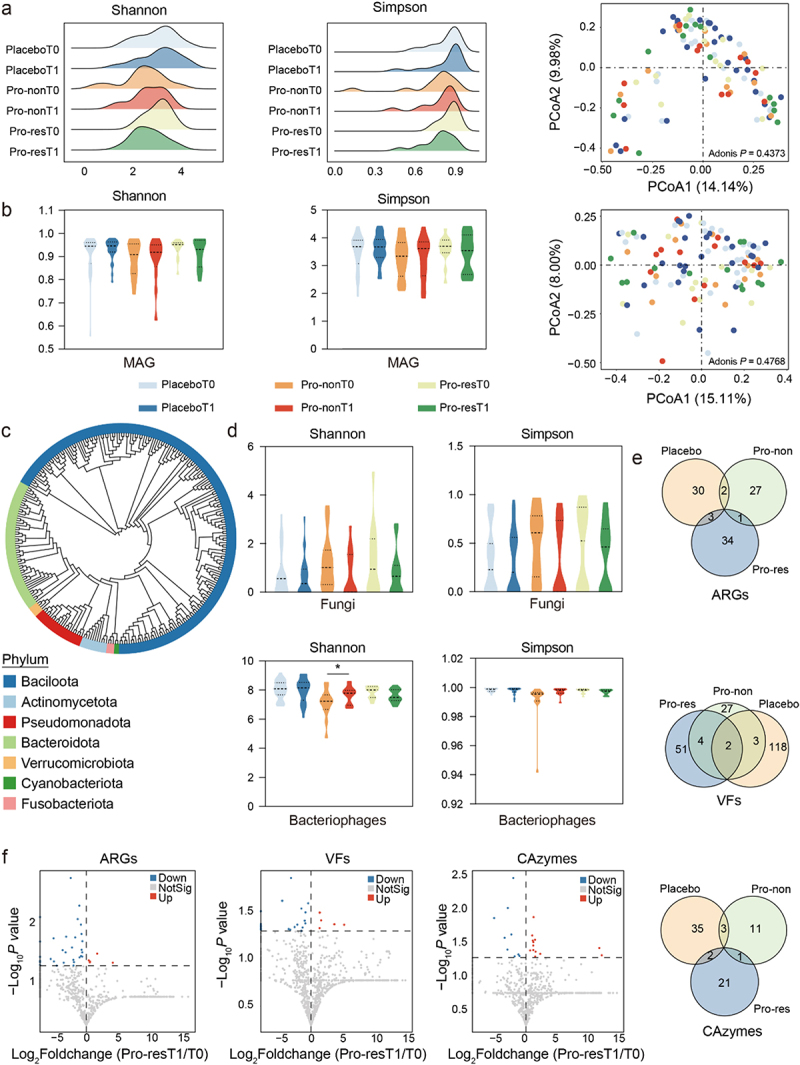
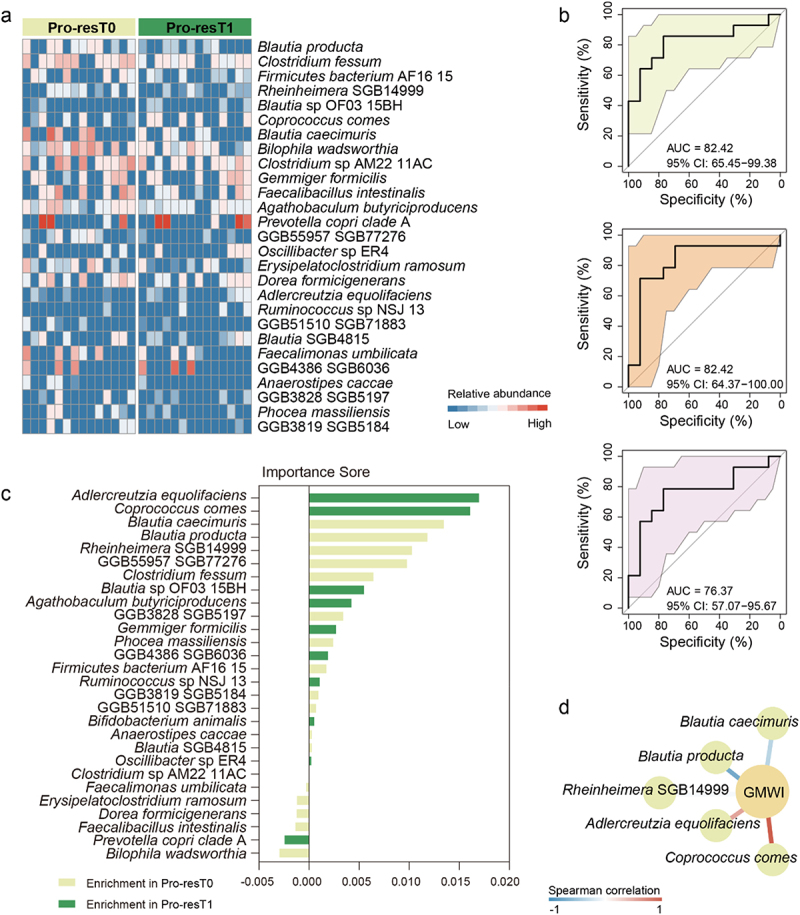
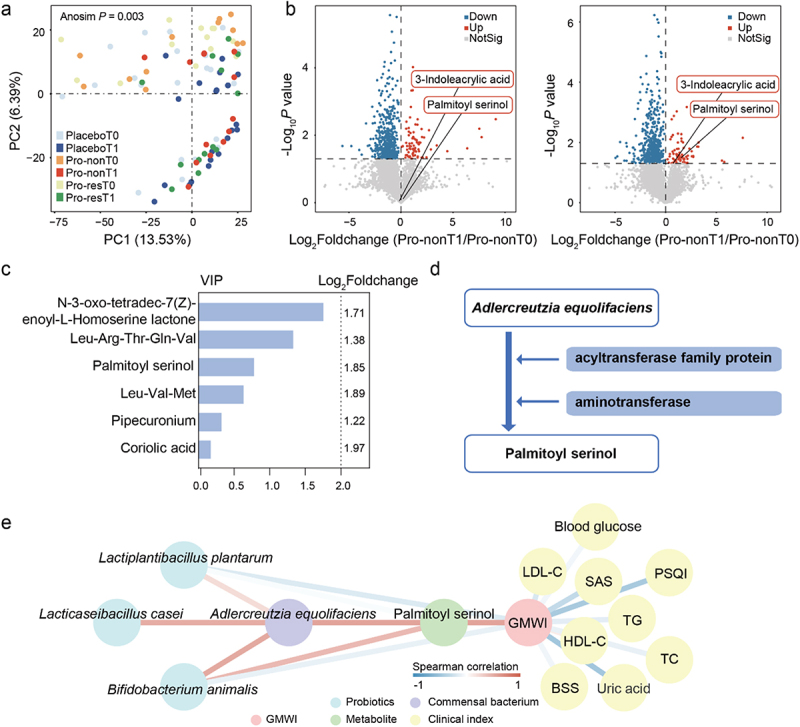
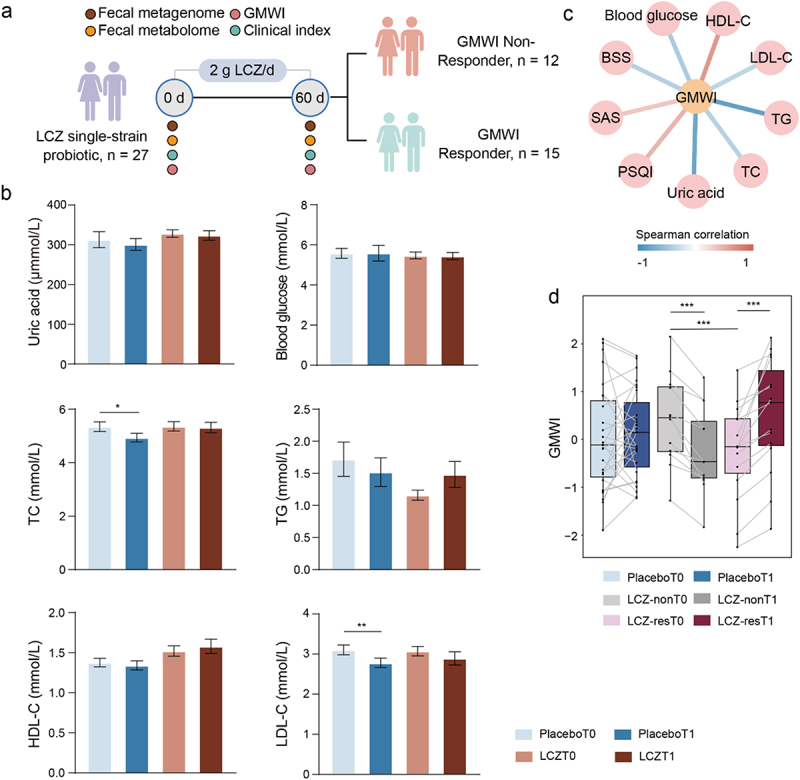
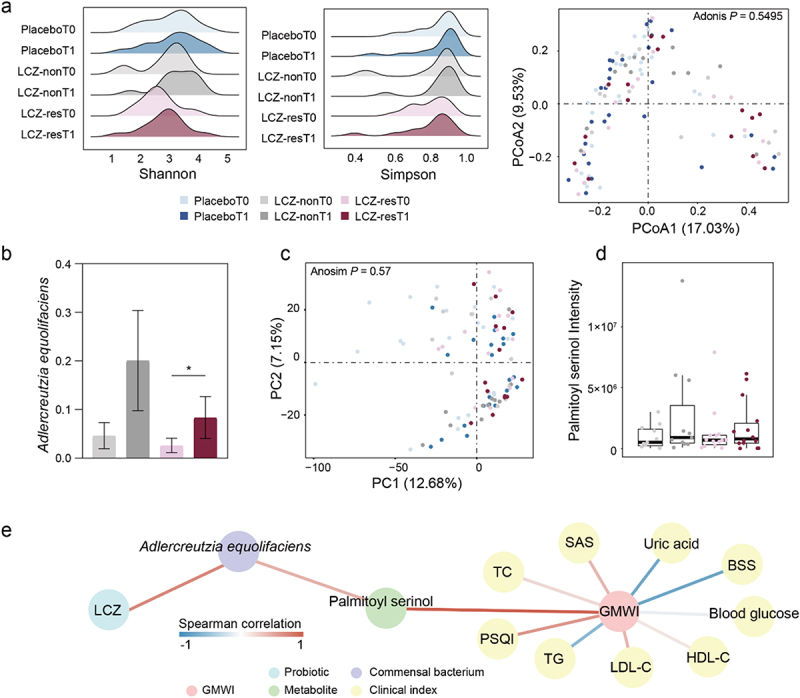
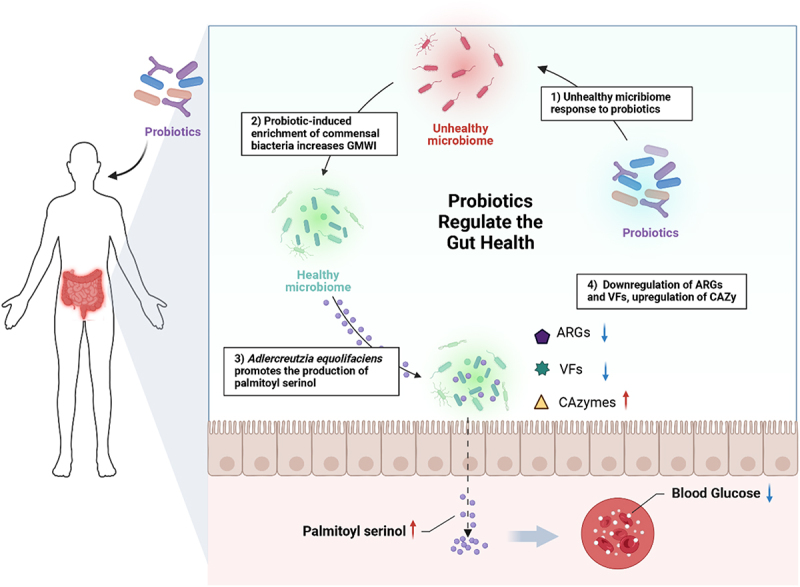
The gut microbiome is essential for maintaining host health, influencing gut function and metabolic regulation. While probiotics are widely used to manage gut health, evidence of their specific effects in healthy individuals remains limited. Most studies focus on diseased populations, with little attention to early interventions in individuals without major diseases. In this study, we investigated the effects of probiotics on gut health in participants free from significant health conditions. Fifty-four participants were randomly assigned to receive either a placebo or composite probiotics for 60 d. Shotgun metagenomics revealed that individuals with lower baseline Gut Microbiome Wellness Index 2 (GMWI) exhibited more decisive responses to probiotic intervention, characterized by an increased abundance of beneficial commensal bacteria, including Adlercreutzia equolifaciens. Probiotic intake significantly improved the function of the gut microbiome, reducing antibiotic resistance genes and virulence factors while enhancing carbohydrate-active enzymes. Notably, A. equolifaciens promoted the production of palmitoyl serinol, a metabolite associated with improved GMWI and preventive benefits in blood glucose. In a population-based experiment, these findings were validated in a follow-up single-strain probiotic intervention with Lacticaseibacillus casei Zhang. Our study highlights the potential of probiotics as an early intervention strategy for maintaining gut health in individuals without significant health conditions.
Keywords: GMWI; Probiotic; commensal biacteria; gut microbiome; multi-omics.
Conflict of interest statement
No potential conflict of interest was reported by the author(s).
Figures
References
-
- Beaumont M, Paës C, Mussard E, Knudsen C, Cauquil L, Aymard P, Barilly C, Gabinaud B, Zemb O, Fourre S. Gut microbiota derived metabolites contribute to intestinal barrier maturation at the suckling-to-weaning transition. Gut Microbes. 2020;11(5):1268–20. doi: 10.1080/19490976.2020.1747335. - DOI - PMC - PubMed
Publication types
MeSH terms
Substances
LinkOut - more resources
Full Text Sources
Medical
