


Peripheral MicroRNA Signatures in Adolescent Depression
- PMID: 40519638
- PMCID: PMC12166373
- DOI: 10.1016/j.bpsgos.2025.100505
Peripheral MicroRNA Signatures in Adolescent Depression
Abstract
Background: Adolescent depression is linked to enduring maladaptive outcomes, chronic severity of symptoms, and poor treatment response. Identifying epigenetic signatures of adolescent depression is urgently needed to improve early prevention and intervention strategies. MicroRNAs (miRNAs) are epigenetic regulators of adolescent neurodevelopmental processes, but their role as markers and mediators of adolescent depression is unknown.
Methods: Here, we examined miRNA profiles from dried blood spot samples of male and female adolescents with clinical depression and psychiatrically healthy male and female adolescents (N = 62). We processed and sequenced these samples using a small RNA protocol tailored for miRNA identification.
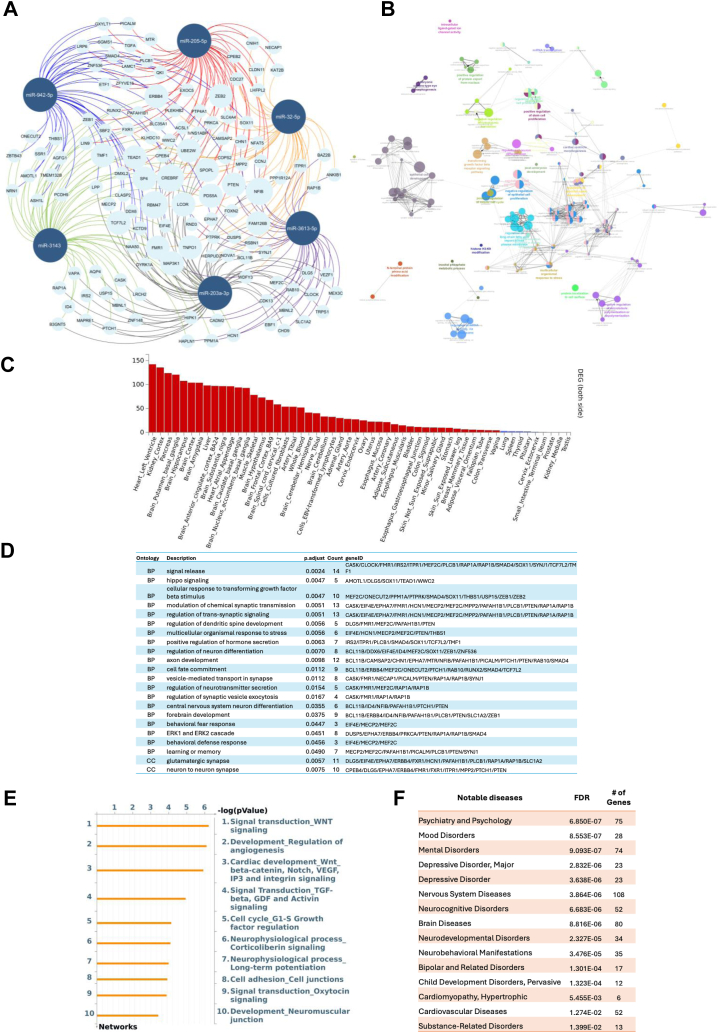
Results: We identified 9 differentially expressed (DE) miRNAs (adjusted p value < .05), all of which were upregulated in adolescents with depression. At future follow-ups post blood collection, expression of miR-3613-5p, mir-30c-2, and miR-942-5p were positively associated with depression severity but not anxiety, suggesting a stronger link to persistent depression symptoms. Expression of miR-32-5p inversely correlated with hippocampal volume, highlighting a potential neurobiological basis. Common predicted gene targets of the DE miRNAs are involved in neurodevelopment, cognitive processing, and depressive disorders.
Conclusions: These findings lay the groundwork for identifying adolescent peripheral miRNA markers that reflect neurodevelopmental pathways that shape lifelong psychopathology risk.
Keywords: Adolescence; Depression; Development; Dried blood spots; Mental health; MicroRNA.
Plain language summary
In this discovery-phase study, we focused on a vulnerable population of adolescents with depression and utilized minimally invasive blood sampling to assess microRNA signatures of the disorder. Nine circulating microRNAs were strongly associated with a depression diagnosis. These microRNAs, which have no established link to adult depression, predicted future symptom severity and correlated with hippocampal volume and target genes involved in neurodevelopment. This research provides mechanistic insights into and new avenues for the early detection and prevention of adolescent-onset depression.
© 2025 The Authors.
Figures



References
-
- Shore L., Toumbourou J.W., Lewis A.J., Kremer P. Review: Longitudinal trajectories of child and adolescent depressive symptoms and their predictors - A systematic review and meta-analysis. Child Adolesc Ment Health. 2018;23:107–120. - PubMed
LinkOut - more resources
Full Text Sources
