


Healthy aging in rats is associated with a decline in the ability to inhibit maladaptive responses, but not in measures of self-control by delayed gratification
- PMID: 40520538
- PMCID: PMC12162557
- DOI: 10.3389/fnagi.2025.1579934
Healthy aging in rats is associated with a decline in the ability to inhibit maladaptive responses, but not in measures of self-control by delayed gratification
Abstract
Introduction: While it is often assumed that aging is associated with a general decline in cognitive health and decision-making, behavioral and neural evidence suggests that this decline may not be as broad as once thought. Cognitive health can be measured in various ways but is often subdivided into our ability to adapt motor plans to rapidly changing sensory information (inhibitory control) as well as our ability to make effectively delay gratification (self-control).
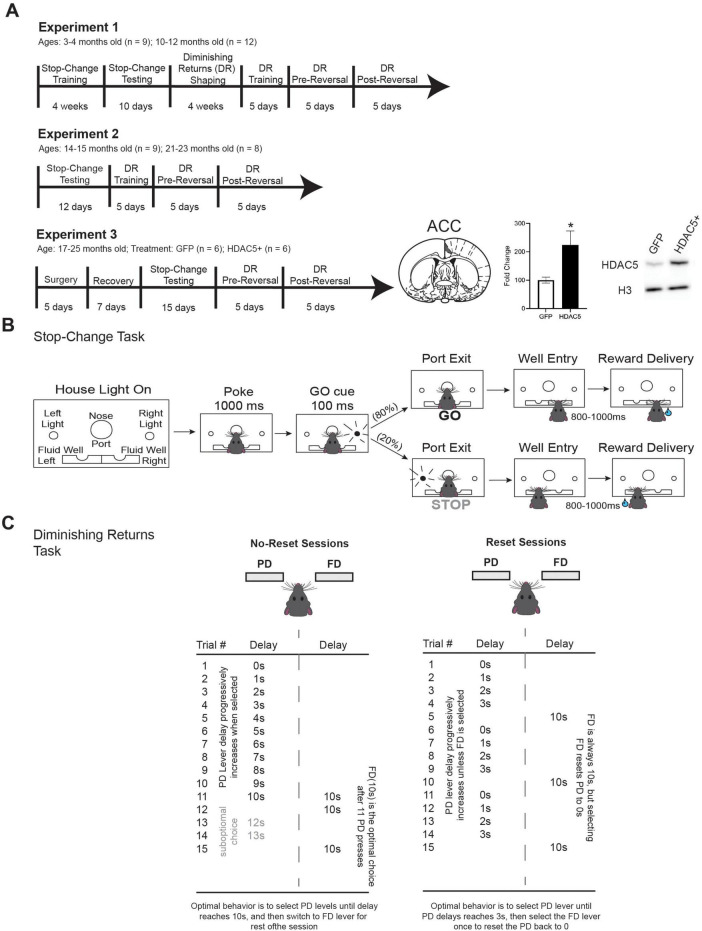
Methods: To examine how aging impacts these aspects of cognitive health across the lifespan, we tested rats of various ages on the stop-change task, a measure of inhibitory control, and reset and no-reset versions of the diminishing returns task, a measure of self-control by delayed gratification.
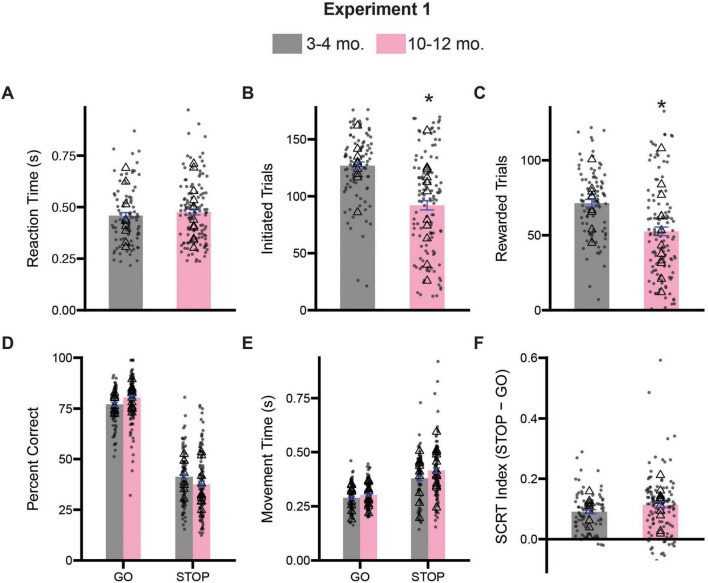
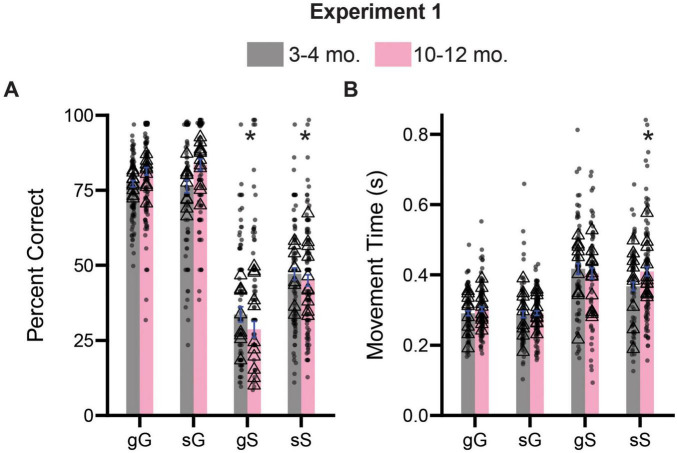
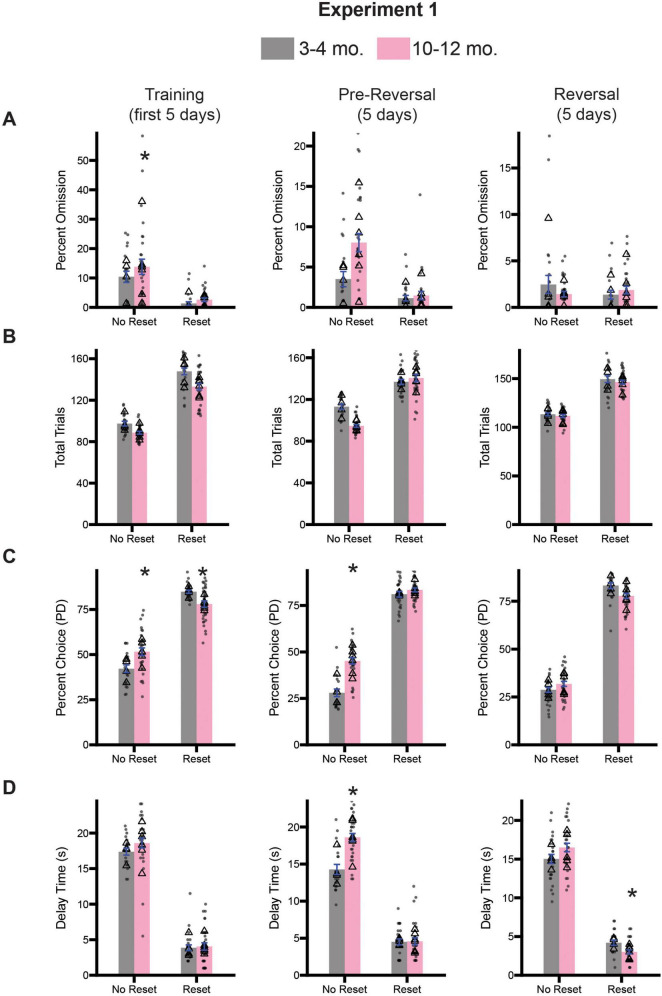
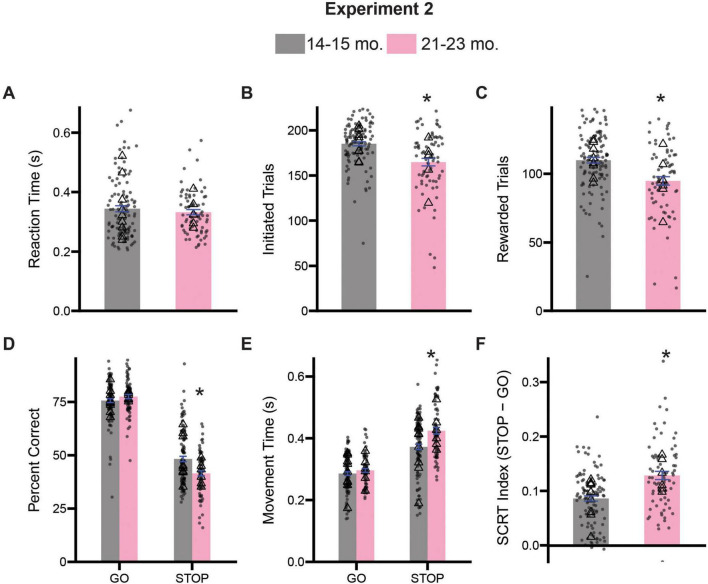
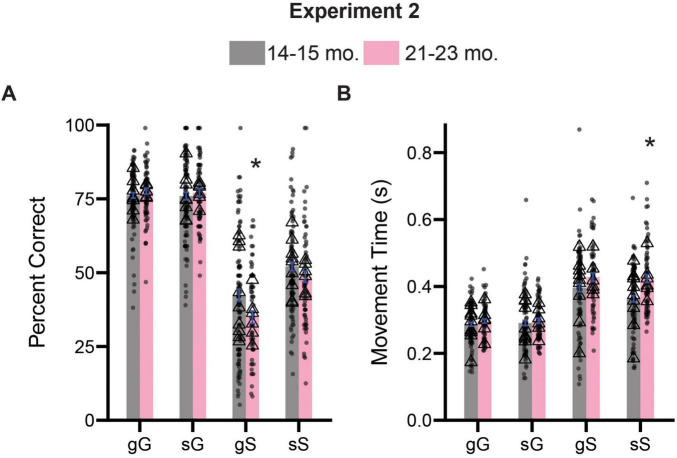
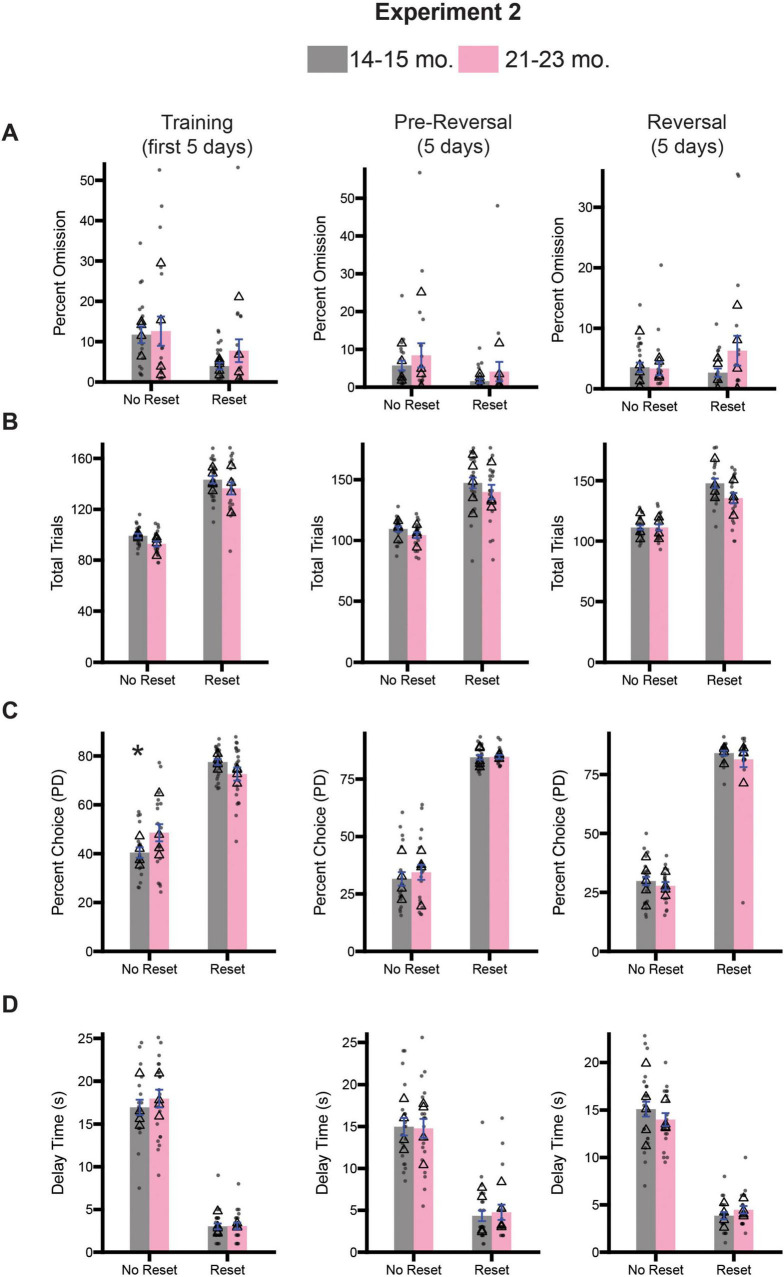
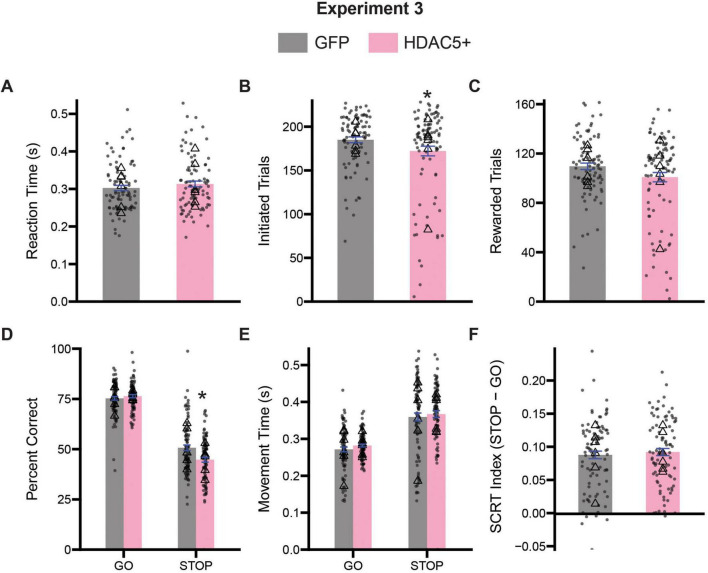
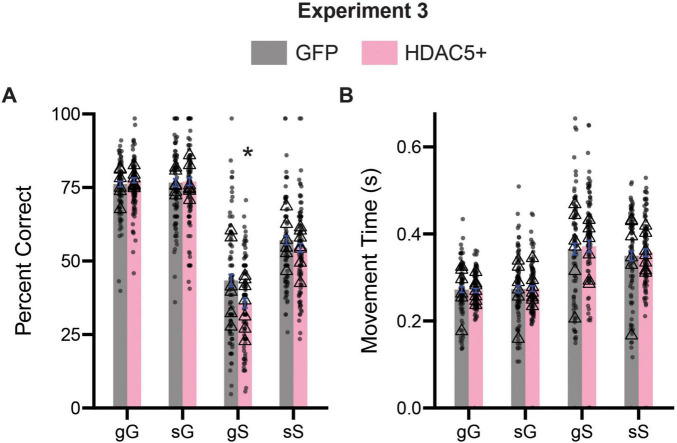
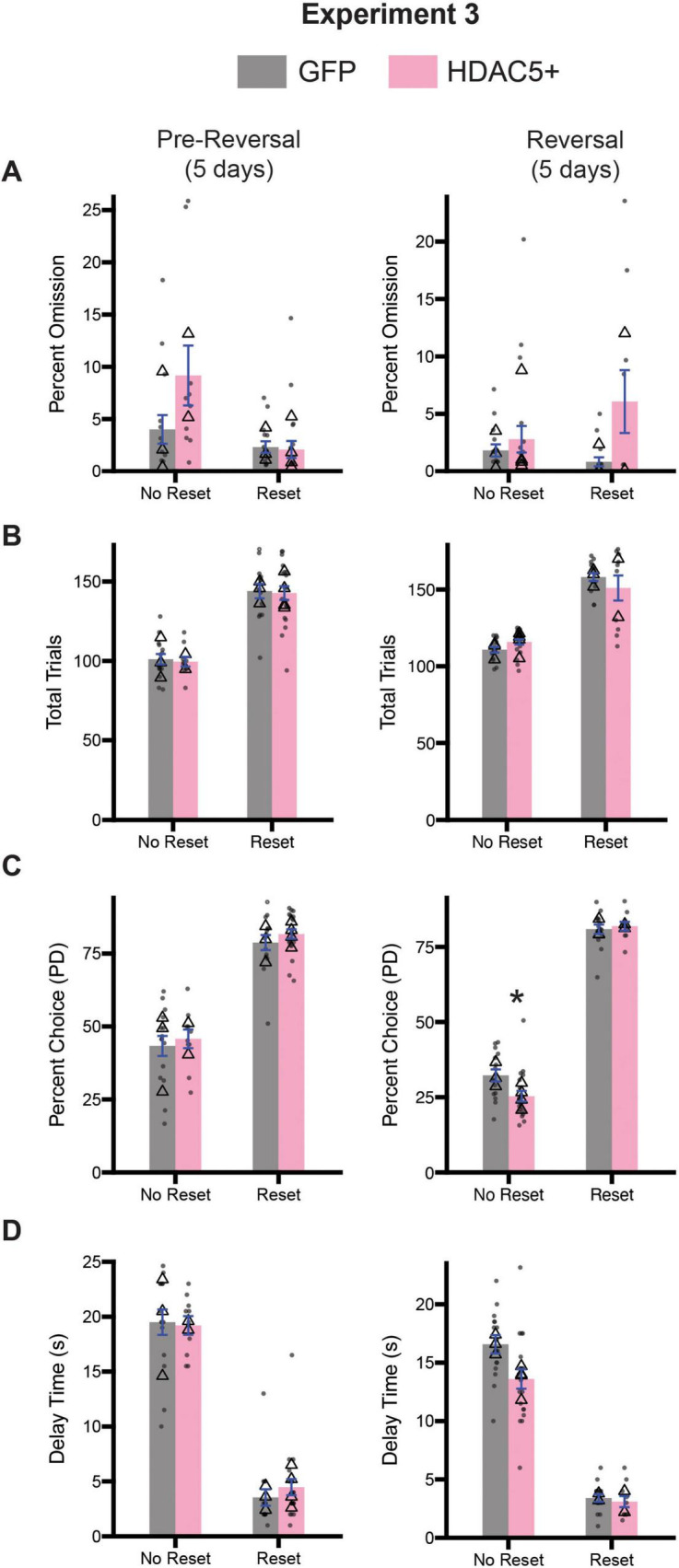
Results: In Experiment 1, we show that 10-12-month-old rats performed fewer trials compared to rats 3-4 months of age and exhibited significant differences in some measures of inhibitory, but not self, control as measured by diminishing returns. In Experiment 2, we show that 21-23-month-old rats show significant deficits in multiple measures of inhibitory control but largely resemble 14-15-month-old rats on measures of self-control. The results from both experiments highlight that aged rats tend to be less sensitive to delays in reward. Finally, we show that overexpression of an epigenetic enzyme (histone deacetylase 5)-thought to be elevated in aged individuals-worsens inhibitory control.
Conclusion: Across these experiments we show that the impact of aging on cognitive health is not unitary, in that aging negatively impacts the adaptation of motor actions independent of self-control.
Keywords: aging; cognition; cognitive control; cognitive health; reward.
Copyright © 2025 Brockett, Sciarillo, Li and Roesch.
Conflict of interest statement
The authors declare that the research was conducted in the absence of any commercial or financial relationships that could be construed as a potential conflict of interest.
Figures
References
LinkOut - more resources
Full Text Sources
