


FOS as a biomarker for myocardial infarction treatment with Deng's Yangxin Decoction: a systems biology-based analysis
- PMID: 40520937
- PMCID: PMC12163015
- DOI: 10.3389/fcvm.2025.1488684
FOS as a biomarker for myocardial infarction treatment with Deng's Yangxin Decoction: a systems biology-based analysis
Abstract
Background: Deng's Yangxin Decoction (DYX) is a Chinese herbal formula used in clinical practice to treat patients with myocardial infarction (MI). However, its underlying mechanism remains unclear.
Objective: This study aims to explore potential biomarkers and associated mechanisms of DYX for MI.
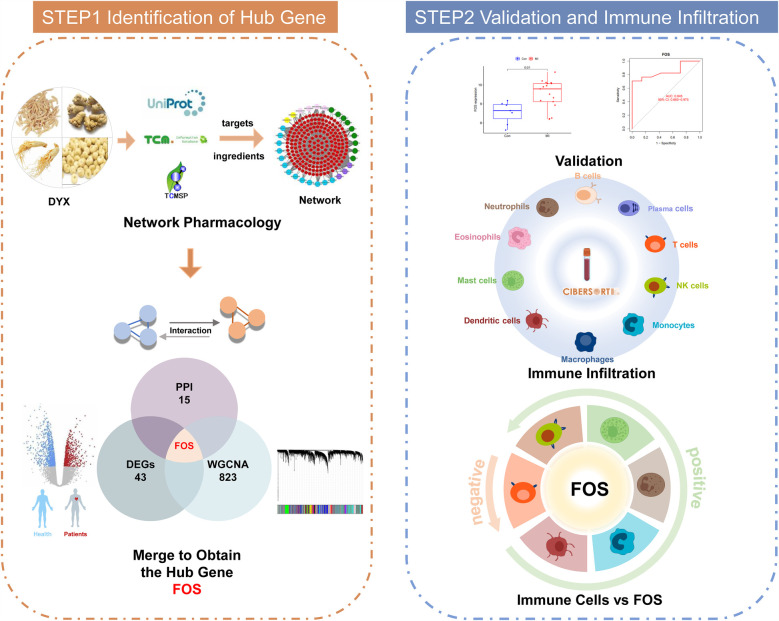
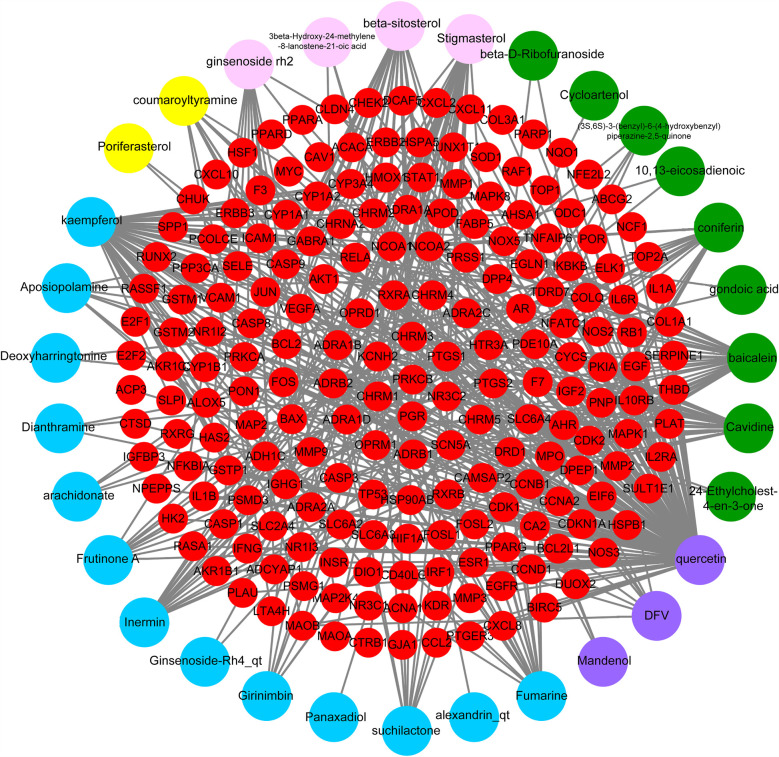
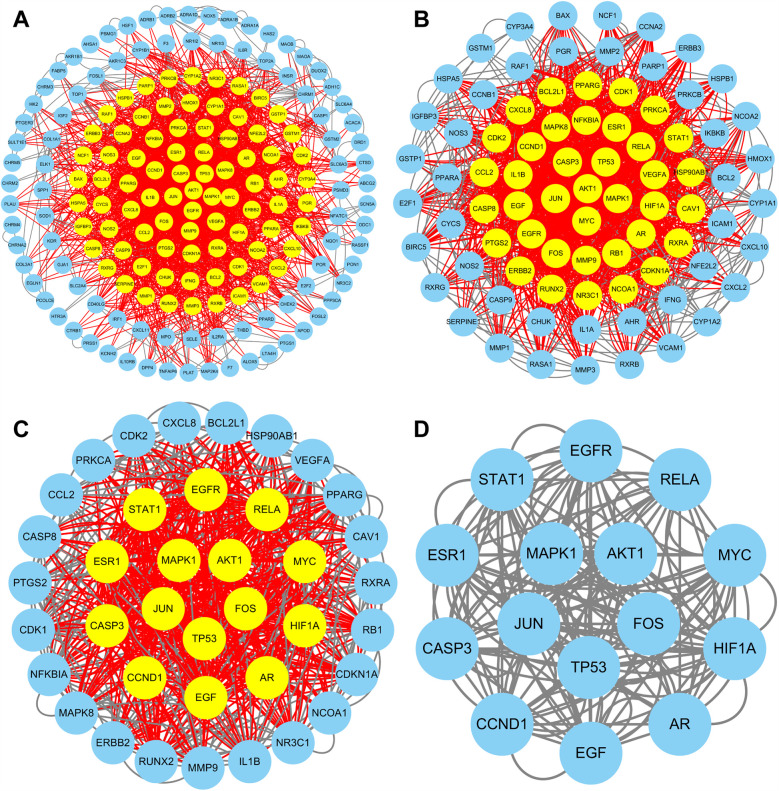
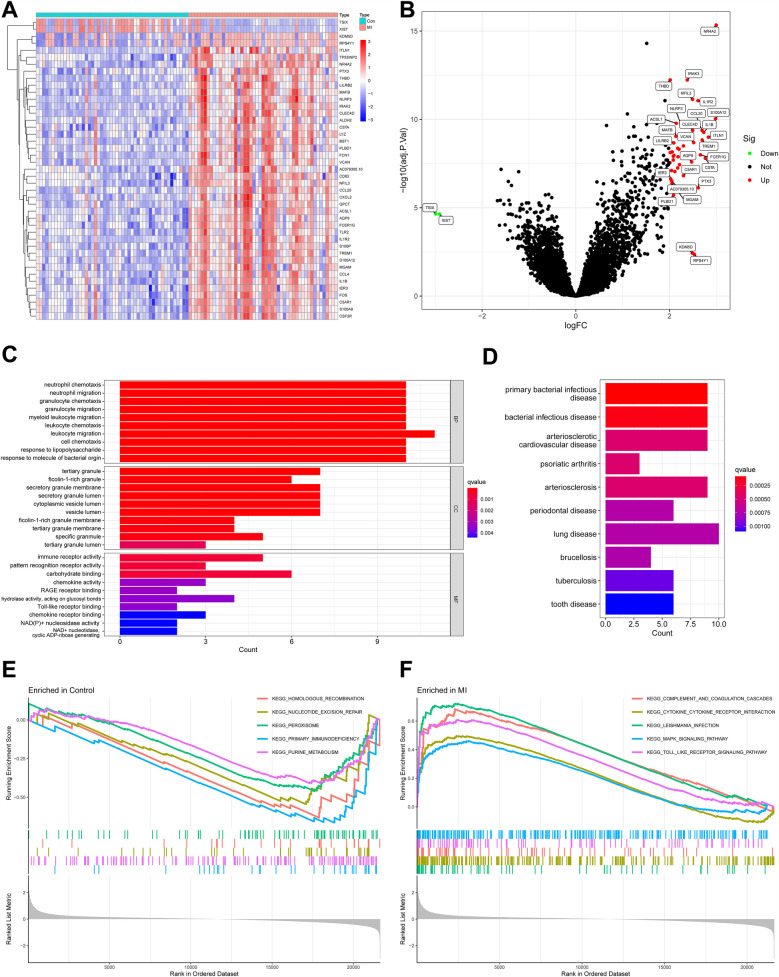
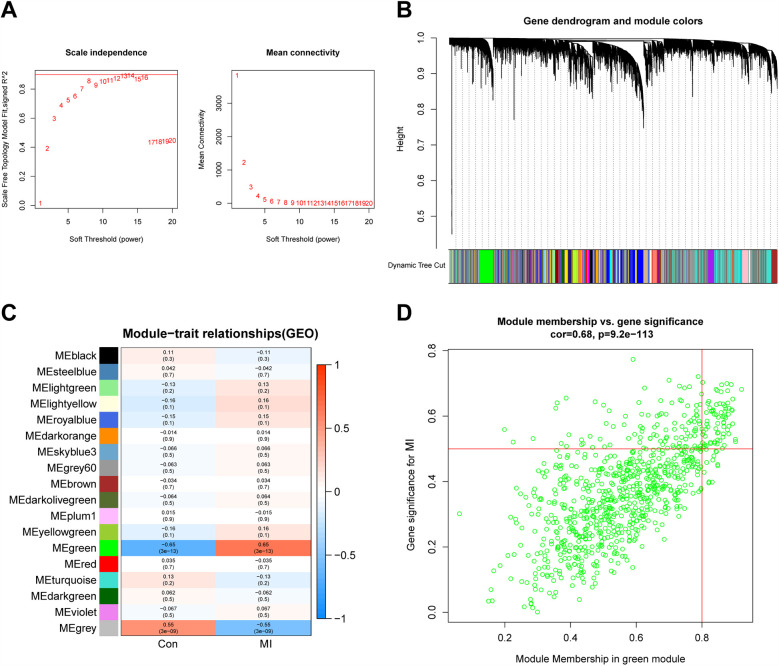
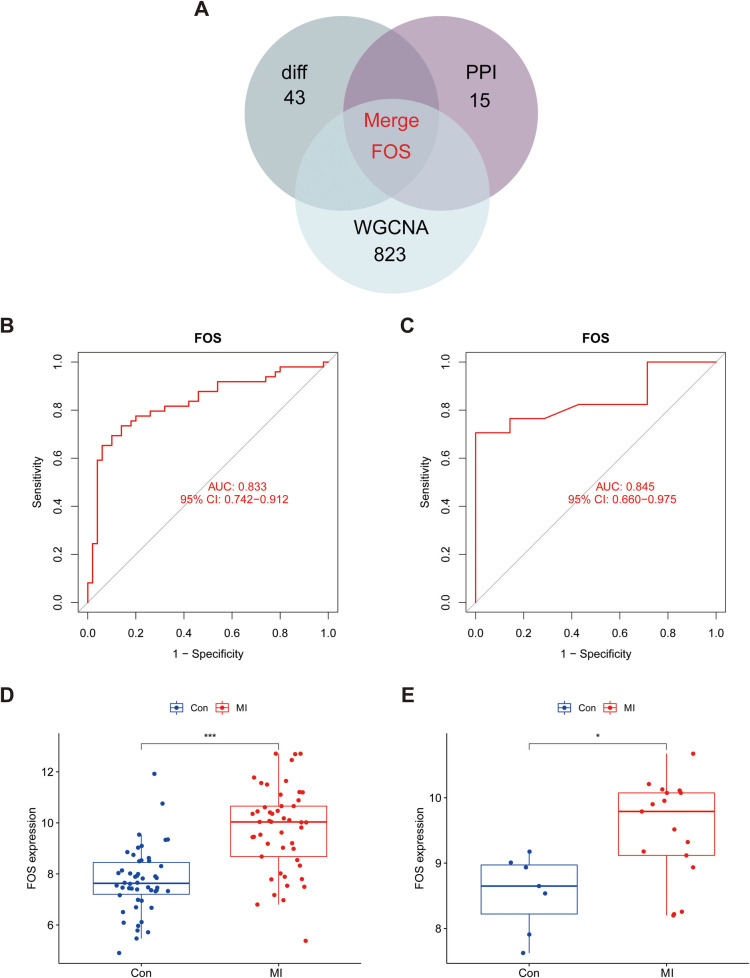
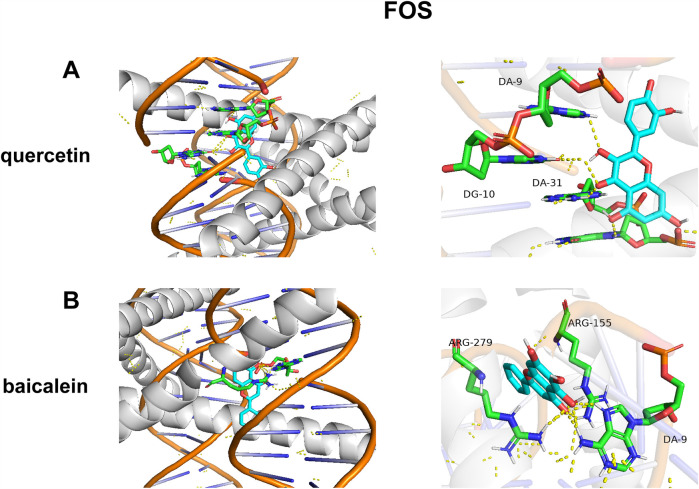
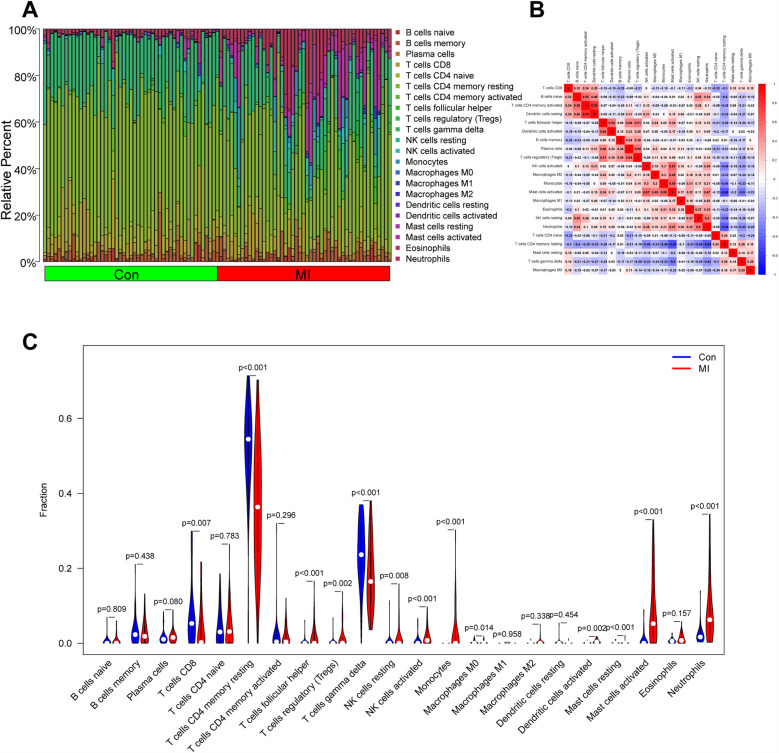
Methods: Therapeutic targets for DYX were obtained based on the Traditional Chinese Medicine Systems Pharmacology Database and Analysis Platform, Traditional Chinese Medicine Integrated Database, and UniProt databases. Key targets were screened using topological analysis. Differentially expressed genes (DEGs) between MI patients and controls were obtained using open-source datasets. Weighted gene co-expression network analysis (WGCNA) was utilized to screen MI-related genes in the expression array. Hub biomarkers were determined by intersecting DEGs, protein-protein interaction networks, and WGCNA results. Molecular docking validated interactions between DYX components and hub biomarkers. Immune infiltration was assessed via CIBERSORT. Single-cell RNA sequencing analyzed hub biomarker expression in coronary plaques.
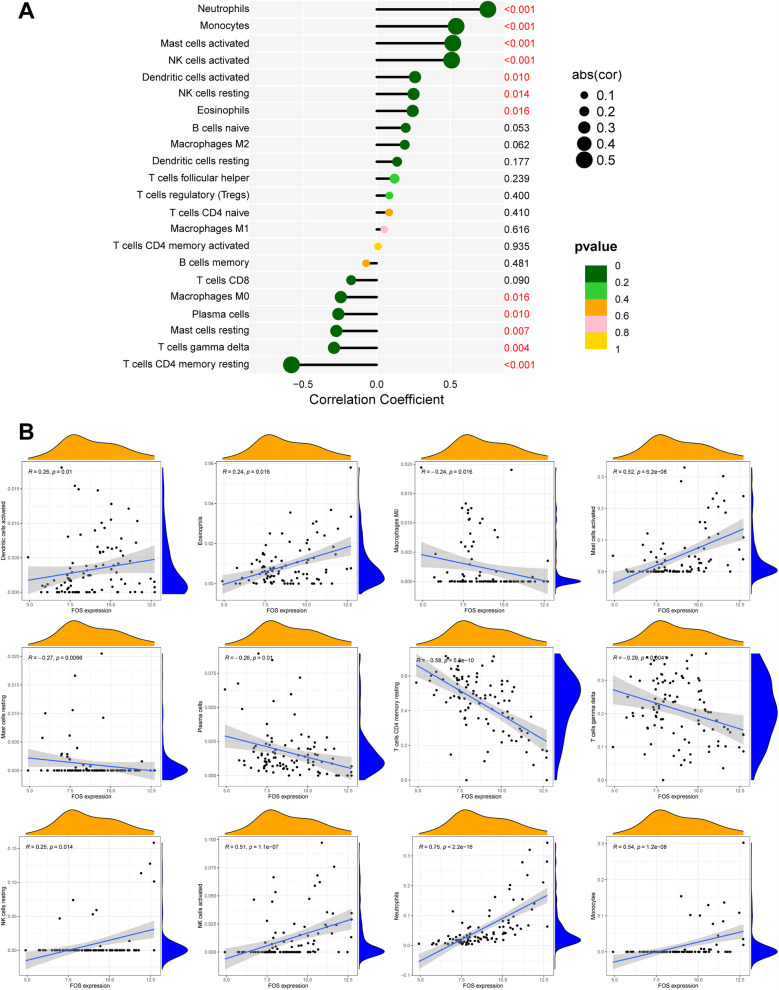
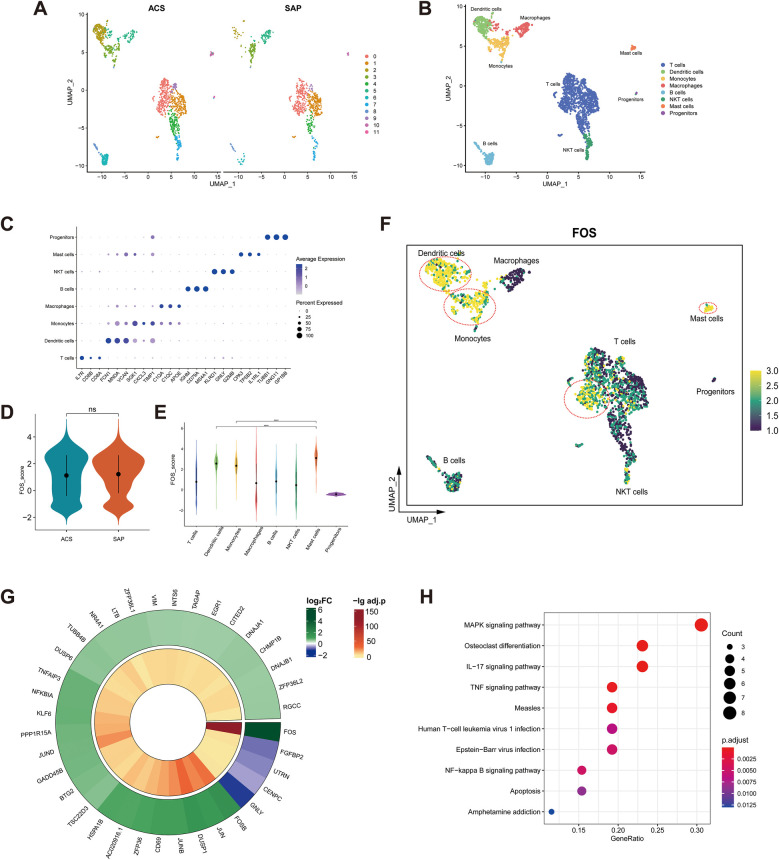
Results: FOS was a core biomarker for DYX for MI. Molecular docking confirmed strong binding affinities between quercetin/baicalein and FOS. In addition, high expression of FOS was associated with immune infiltration of neutrophils, activated mast cells, activated dendritic cells, monocytes, and NK cells. FOS was also found to be expressed at high levels in mast and dendritic cells, monocytes, and some T cells in coronary plaques.
Conclusion: FOS is a target of DYX for the treatment of MI, and the mechanism of action may be related to the modulation of immune infiltration.
Keywords: bioinformatic analysis; diagnostic biomarker; immune infiltration; myocardial infarction; network pharmacology; single-cell analysis.
© 2025 Fang, Wu, He, Wang and Liu.
Conflict of interest statement
The authors declare that the research was conducted in the absence of any commercial or financial relationships that could be construed as a potential conflict of interest.
Figures
References
LinkOut - more resources
Full Text Sources
