Association of sperm DNA fragmentation with higher miscarriage rates in non-male factor infertility reproductive cycles
- PMID: 40529018
- PMCID: PMC12169987
- DOI: 10.21037/tau-2025-322
Association of sperm DNA fragmentation with higher miscarriage rates in non-male factor infertility reproductive cycles
Abstract
Background: Although recurrent spontaneous abortion (RSA) is often attributed to maternal or unknown causes, emerging evidence suggests that sperm DNA integrity may also influence pregnancy outcomes. Traditional semen analysis fails to detect subtle chromatin abnormalities, particularly in men without apparent infertility. This study assessed the contribution of the sperm chromatin structure instability in men to RSA in southern Anhui, China, and examined its correlation with RSA.
Methods: The experimental group comprised 438 males who visited the Department of Reproductive Medicine at the Second People's Hospital of Wuhu between January 2022 and October 2023 due to RSA in their spouses. The control group included 189 males whose spouses did not experience RSA (non-RSA). The DNA fragmentation index (DFI), standard parameters, and general data related to the sperm were collected and statistically analyzed.
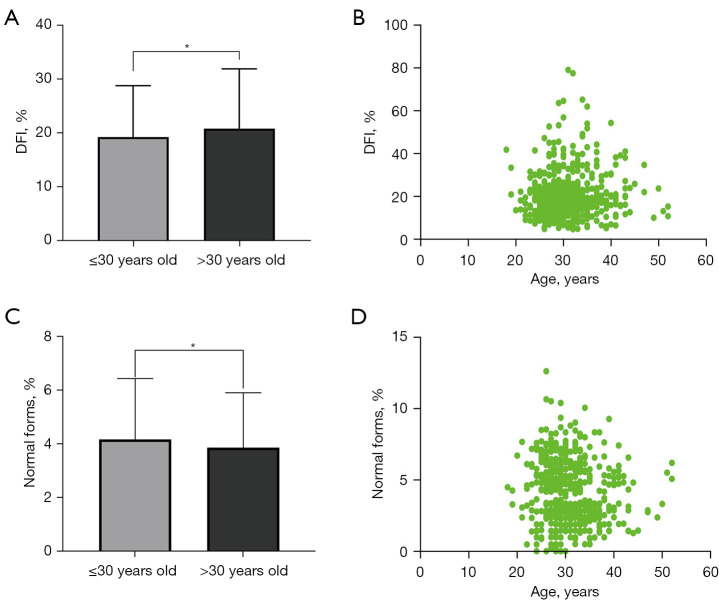
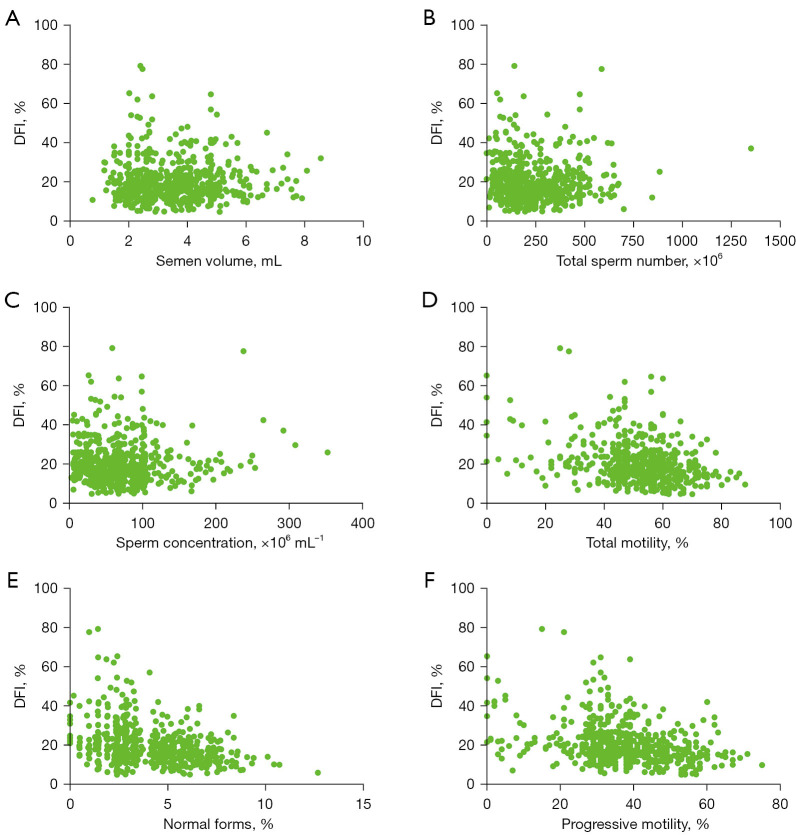
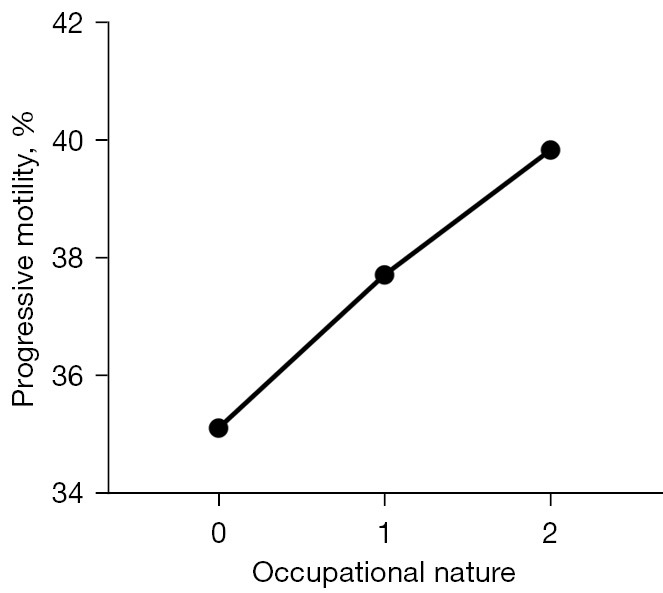
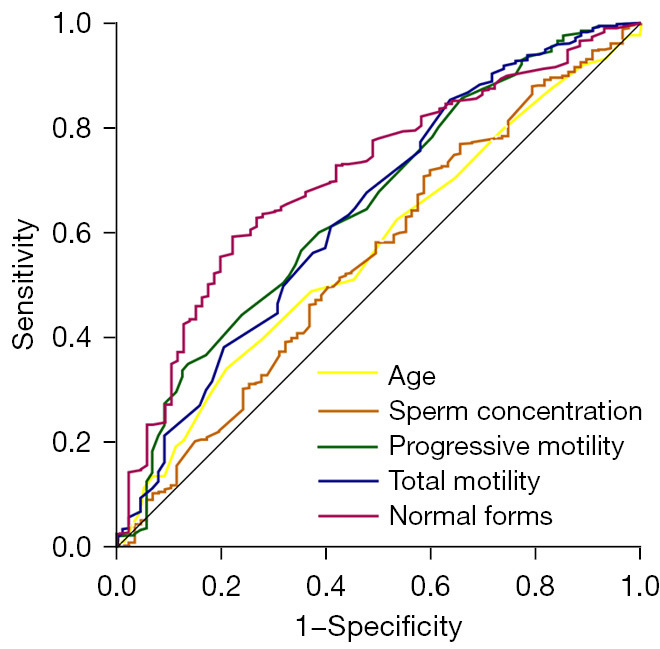
Results: The DFI was significantly elevated in the RSA group relative to the non-RSA group (P<0.05). DFI was positively correlated with age and negatively linked to the concentration, total motility, normal morphology, and progressive motility of the sperm (P<0.05). It had no correlation with semen volume, total sperm number, smoking, alcohol consumption, occupation, or sleep duration (P>0.05). Age was negatively associated with the normal forms, while occupation was negatively associated with progressive motility (P<0.05). The routine semen parameters remained consistent across subgroups categorized by sleep duration, alcohol intake, and smoking habits, with no significant differences observed. Additionally, receiver operating characteristic (ROC) curve analysis indicated that age, sperm concentration, progressive motility, total motility, and normal form had moderate predictive value for elevated DFI, with area under the curve (AUC) values ranging from 0.568 to 0.706.
Conclusions: The integrity of sperm chromatin structure was correlated with RSA. Age was identified as a contributing factor to elevated sperm DFI, while occupational environment may also influence semen quality. This study emphasizes the importance of considering paternal factors in RSA evaluations and suggests that sperm DNA integrity may serve as a useful biomarker in assessing RSA risk.
Keywords: Sperm DNA fragmentation (SDF); lifestyle; occupation; recurrent spontaneous abortion (RSA).
Copyright © 2025 AME Publishing Company. All rights reserved.
Conflict of interest statement
Conflicts of Interest: All authors have completed the ICMJE uniform disclosure form (available at https://tau.amegroups.com/article/view/10.21037/tau-2025-322/coif). The authors have no conflicts of interest to declare.
Figures
References
LinkOut - more resources
Full Text Sources