


Alterations in functional and structural connectivity in the 6-OHDA-induced Parkinsonian rat model
- PMID: 40529248
- PMCID: PMC12170622
- DOI: 10.3389/fnins.2025.1591215
Alterations in functional and structural connectivity in the 6-OHDA-induced Parkinsonian rat model
Abstract
Introduction: Parkinson's Disease (PD), the second most common neurodegenerative disorder, is characterized by motor and non-motor symptoms linked to dopaminergic neuron degeneration. This study utilized the 6-hydroxydopamine (6-OHDA) rat model to replicate PD-like dopaminergic degeneration through targeted injections into the medial forebrain bundle and substantia nigra.
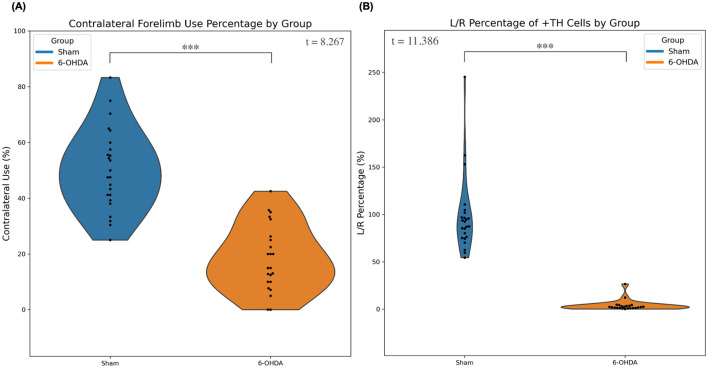
Methods: Behavioral assessments revealed hallmark motor deficits, while MRI was performed to assess complementary functional connectivity and structural connectivity. Post-mortem tyrosine hydroxylase (TH) staining confirmed extensive dopaminergic neuron loss, validating the pathological relevance of the model and ensuring data integrity. MRI data were collected at 7T in 46 male Fischer F344 rats (23 6-OHDA, 23 sham) to characterize functional and structural connectivity differences between cohorts.
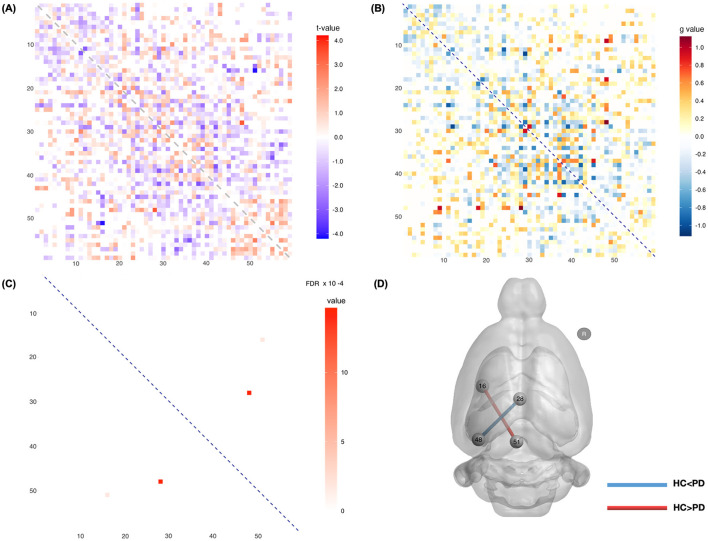
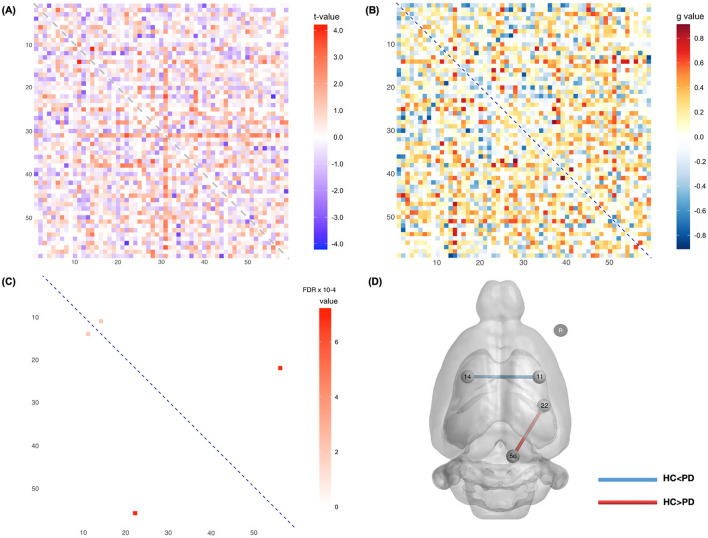
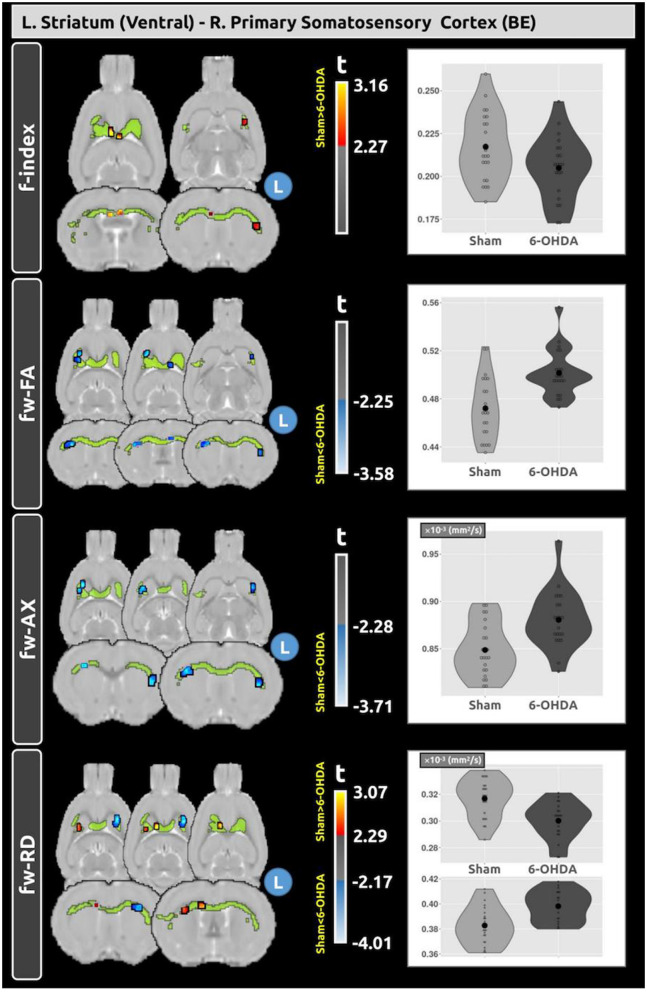
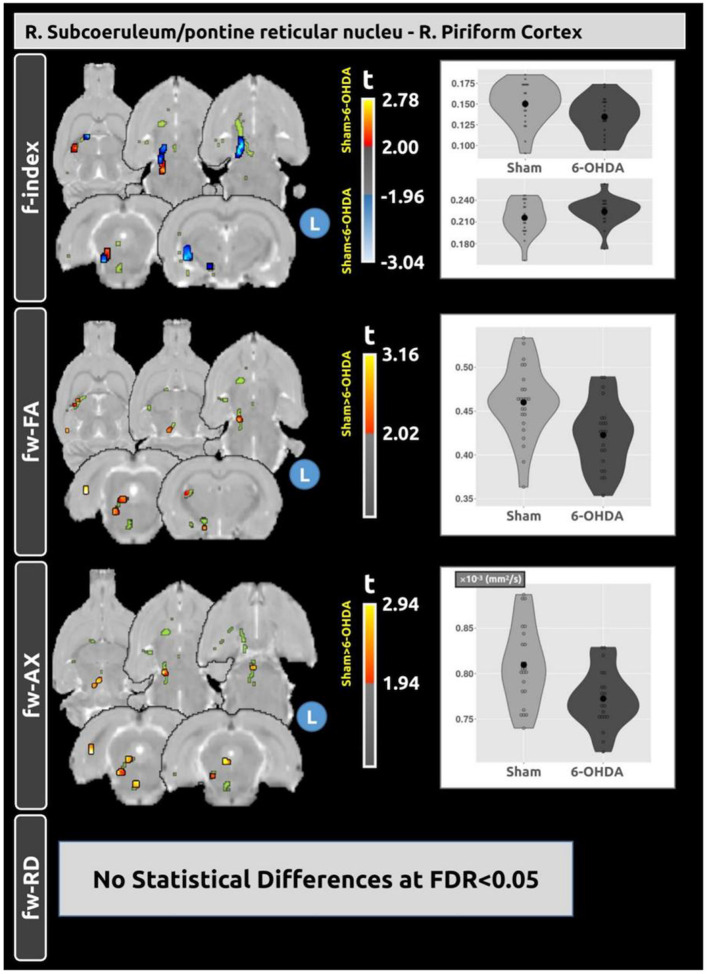
Results: Functionally, decreased connectivity between the retrosplenial and endopiriform cortices in the 6-OHDA model suggests disrupted sensory processing, while increased connectivity between the hippocampus and retrosplenial cortex indicates possible compensatory mechanisms. Structurally, we observed reduced connectivity between the subcoeruleum and piriform cortex in the 6-OHDA model, which may reflect axonal degeneration, and increased connectivity between the ventral striatum and primary somatosensory cortex, which likely reflects compensatory changes to support motor-sensory integration. Diffusion MRI analysis further revealed changes in the white matter tracts connecting these regions, supporting these findings and highlighting adaptive responses to neurodegeneration in PD.
Discussion: These findings demonstrate the utility of combining functional and structural connectivity analyses to capture PD-related network disruptions. These structural connectivity changes were further associated with microstructural alterations. The development of MRI biomarkers for understanding brain connectivity may enhance our understanding of PD pathology and advancing translation of these techniques to clinical applications.
Keywords: 6-hydroxydopamine; Parkinson's disease; diffusion magnetic resonance imaging; free water diffusion tensor imaging; functional connectivity; functional magnetic resonance imaging; structural connectivity.
Copyright © 2025 Zhu, Bergamino, Fuentes, Sandoval, Marmion, Bishop, Manfredsson and Stokes.
Conflict of interest statement
The authors declare that the research was conducted in the absence of any commercial or financial relationships that could be construed as a potential conflict of interest.
Figures
References
-
- Arribarat G., Pasternak O., Barros A. D., Galitzky M., Rascol O., Péran P., et al. (2019). Substantia nigra locations of iron-content, free-water and mean diffusivity abnormalities in moderate stage Parkinson's disease. Parkinsonism Relat. Disord. 65, 146–152. 10.1016/j.parkreldis.2019.05.033 - DOI - PubMed
Grants and funding
LinkOut - more resources
Full Text Sources
